
HIFU Skin Tightening: How Ultrasound Technology Is Transforming Non-Surgical Facial Rejuvenation
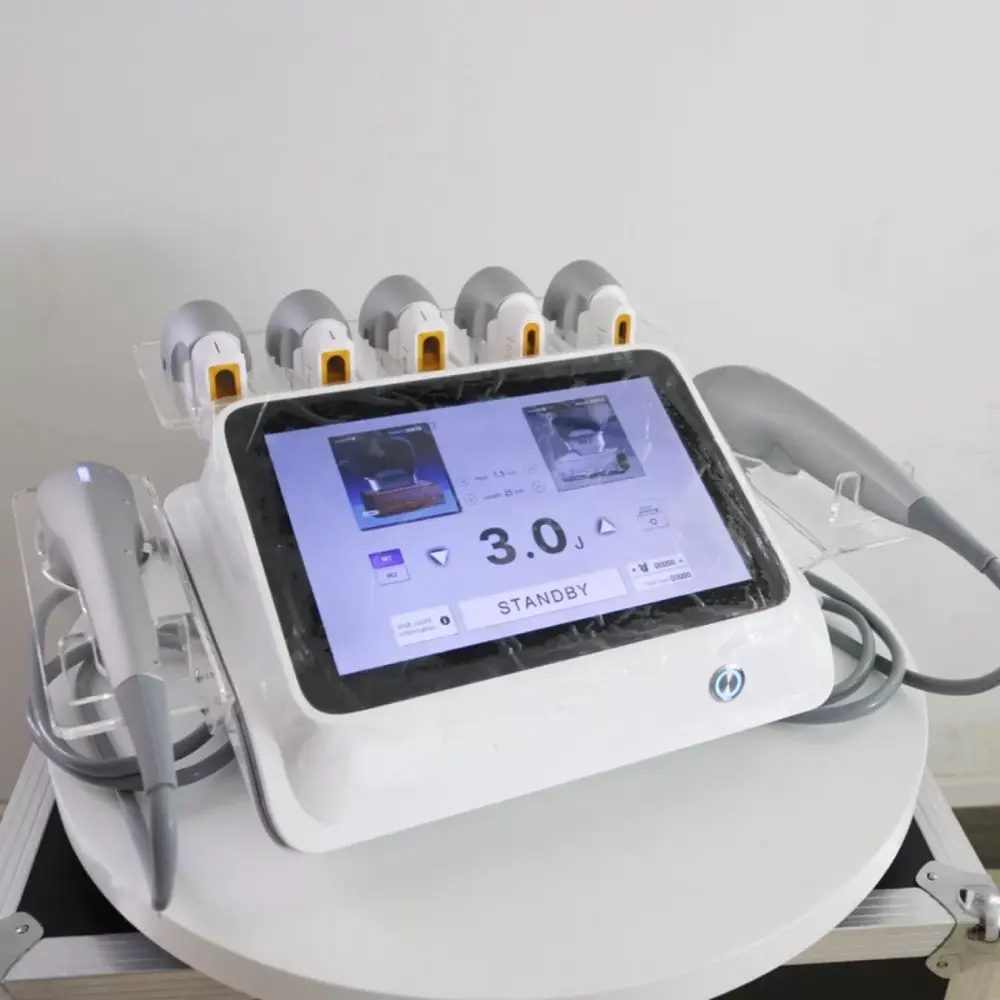
Modern aesthetic treatments have evolved significantly over the past decade. Many people now seek effective ways to improve skin firmness and reduce visible signs of aging without surgery or lengthy recovery periods. Among the most discussed innovations is High-Intensity Focused Ultrasound (HIFU), a technology that targets deeper layers of the skin using focused ultrasound energy.
Unlike creams or topical skincare products that primarily work on the skin’s surface, HIFU reaches structural layers beneath the skin where collagen production naturally occurs. This makes it a valuable option for individuals looking for gradual, natural-looking improvements in skin tightness and facial contours.
For those researching professional aesthetic devices, understanding how a hifu machine works can help explain why this technology has become increasingly popular in modern skin rejuvenation treatments.
Contents
- 1 What Is HIFU?
- 2 How Does HIFU Work?
- 3 Why Collagen Matters
- 4 Common Treatment Areas
- 5 Benefits of HIFU Treatments
- 6 Who May Benefit From HIFU?
- 7 What Happens During a Typical Session?
- 8 When Will Results Become Visible?
- 9 Safety Considerations
- 10 HIFU vs Surgical Facelift
- 11 HIFU Compared With Other Skin Tightening Treatments
- 12 Preparing for Treatment
- 13 Aftercare Recommendations
- 14 Factors That Influence Results
- 15 The Growing Role of HIFU in Modern Aesthetics
- 16 Conclusion
- 17 FAQs
What Is HIFU?
High-Intensity Focused Ultrasound (HIFU) is a non-invasive cosmetic technology designed to tighten and lift the skin without surgical procedures. It uses concentrated ultrasound energy to create controlled heat beneath the skin’s surface.
This thermal effect stimulates the body’s natural healing response, encouraging the production of fresh collagen and elastin. Since collagen is responsible for maintaining skin firmness and elasticity, increasing its production can gradually improve the appearance of loose or aging skin.
Unlike laser treatments, which mainly affect the outer skin layers, HIFU bypasses the surface and targets deeper structural tissues while leaving the epidermis largely untouched.
How Does HIFU Work?
The treatment relies on precisely focused ultrasound waves.
Step 1: Energy Delivery
Ultrasound energy is delivered at carefully selected depths beneath the skin. These depths may vary depending on the treatment area and desired outcome.
Step 2: Controlled Thermal Points
The energy creates tiny thermal coagulation points that stimulate the body’s natural repair process.
Step 3: Collagen Regeneration
Over the following weeks and months, new collagen fibers develop. As collagen increases, skin gradually becomes firmer, smoother, and more lifted.
The process is entirely dependent on the body’s natural regenerative abilities rather than artificial fillers or implants.
Why Collagen Matters
Collagen is one of the body’s most important structural proteins.
It provides:
- Skin firmness
- Elasticity
- Strength
- Smooth texture
- Youthful facial contours
Beginning in our mid-twenties, collagen production naturally declines. Environmental exposure, aging, lifestyle habits, and genetics all contribute to this process.
Reduced collagen often leads to:
- Fine lines
- Wrinkles
- Sagging cheeks
- Loose jawline
- Neck laxity
- Reduced skin elasticity
HIFU aims to encourage collagen renewal, helping restore some of the skin’s natural support system.
Common Treatment Areas
One reason HIFU has gained widespread attention is its versatility.
Common facial treatment areas include:
- Forehead
- Brow area
- Around the eyes
- Cheeks
- Nasolabial folds
- Jawline
- Chin
- Neck
Some practitioners also use HIFU on selected body areas where mild skin laxity is present.
Benefits of HIFU Treatments
Many individuals choose HIFU because it offers several potential advantages without surgery.
Non-Invasive Procedure
There are no surgical incisions, stitches, or general anesthesia required.
Minimal Downtime
Most people resume daily activities immediately after treatment.
Natural Results
Improvements appear gradually as collagen develops rather than creating sudden dramatic changes.
Long-Term Collagen Support
The body’s collagen remodeling process continues for several months following treatment.
Suitable for Busy Lifestyles
Appointments are generally shorter than many cosmetic surgical procedures, making them easier to fit into daily schedules.
Who May Benefit From HIFU?
HIFU is generally considered suitable for adults experiencing mild to moderate skin laxity.
Individuals may consider treatment if they notice:
- Slight sagging around the jawline
- Early signs of facial aging
- Loose neck skin
- Mild brow drooping
- Reduced skin firmness
Those with severe skin laxity may require different treatment approaches, including surgical options recommended by qualified medical professionals.
What Happens During a Typical Session?
Although treatment protocols vary, most sessions follow a similar process.
Consultation
The practitioner evaluates the patient’s skin condition, treatment goals, and medical history.
Skin Preparation
The treatment area is cleansed, and ultrasound gel is applied.
Energy Application
The device delivers ultrasound pulses to targeted areas at selected depths.
Patients often describe the sensation as mild warmth or brief tingling beneath the skin.
Completion
After treatment, the gel is removed, and patients can usually return to normal activities immediately.
When Will Results Become Visible?
Unlike treatments that provide instant volume, HIFU relies on gradual collagen remodeling.
Many people notice:
- Initial skin firmness within several weeks
- Continued improvement after two to three months
- Maximum results developing over three to six months
Since collagen production differs among individuals, timelines vary from person to person.
Safety Considerations
When performed by trained professionals using appropriate equipment, HIFU has established itself as a widely used non-invasive aesthetic technology.
Temporary side effects may include:
- Mild redness
- Slight swelling
- Tingling sensations
- Temporary tenderness
These effects generally resolve within a short period.
Individuals should always undergo a professional consultation before treatment to determine suitability.
HIFU vs Surgical Facelift
Both procedures aim to improve facial appearance, but they differ significantly.
| Feature | HIFU | Surgical Facelift |
| Surgery Required | No | Yes |
| Incisions | None | Required |
| General Anesthesia | Usually No | Usually Yes |
| Downtime | Minimal | Several weeks |
| Results | Gradual | Immediate after healing |
| Recovery | Fast | Longer |
People seeking subtle improvements often explore HIFU, while those with advanced aging changes may consider surgical solutions after medical consultation.
HIFU Compared With Other Skin Tightening Treatments
Several technologies are available for skin rejuvenation.
Radiofrequency
Radiofrequency uses electrical energy to generate heat within the skin. It primarily targets more superficial tissue layers.
Laser Treatments
Lasers focus on improving pigmentation, skin texture, and surface imperfections while also providing some collagen stimulation.
Microneedling
Microneedling creates tiny controlled injuries that stimulate collagen production through wound healing.
HIFU
HIFU uniquely reaches deeper structural layers without damaging the skin’s surface, making it suitable for lifting-focused treatments.
Each technology serves different aesthetic goals, and treatment selection depends on individual skin concerns.
Preparing for Treatment
Preparation is generally straightforward.
Patients are commonly advised to:
- Arrive with clean skin
- Avoid excessive sun exposure before treatment
- Discuss medications with the practitioner
- Inform the provider about previous cosmetic procedures
- Follow all pre-treatment instructions
Good preparation helps ensure the treatment proceeds smoothly.
Aftercare Recommendations
Recovery is usually simple because the skin surface remains intact.
Helpful aftercare practices include:
- Stay hydrated
- Use sunscreen daily
- Avoid excessive heat for the first day
- Follow skincare advice provided by the practitioner
- Maintain a healthy skincare routine
Healthy lifestyle habits may also support long-term collagen health.
Factors That Influence Results
Not everyone experiences identical outcomes.
Results can depend on:
- Age
- Skin quality
- Natural collagen production
- Lifestyle habits
- Sun exposure
- Smoking status
- Overall health
- Treatment protocol
Realistic expectations are important, as HIFU enhances the body’s natural regenerative processes rather than producing dramatic overnight changes.
The Growing Role of HIFU in Modern Aesthetics
As interest in minimally invasive cosmetic procedures continues to grow, HIFU has become an important option within aesthetic medicine.
Its ability to stimulate collagen while avoiding surgical intervention appeals to individuals seeking gradual, natural-looking improvements. Advances in ultrasound technology continue to improve treatment precision, patient comfort, and consistency, making HIFU an increasingly valuable tool in comprehensive skin rejuvenation strategies.
Conclusion
High-Intensity Focused Ultrasound represents an important advancement in non-surgical aesthetic technology. By stimulating collagen production within deeper tissue layers, it offers a gradual approach to improving skin firmness, facial contours, and overall skin quality without surgery or extensive downtime.
Anyone interested in understanding the technology behind a modern hifu machine should first learn how focused ultrasound promotes collagen remodeling, helping explain its growing role in contemporary skin-tightening treatments.
FAQs
1. Is HIFU painful?
Most people tolerate HIFU well. During treatment, some individuals experience mild warmth, tingling, or brief discomfort as ultrasound energy reaches deeper tissue layers. The sensation is temporary and usually subsides immediately after each pulse, making the procedure manageable for most patients.
2. How long do HIFU results typically last?
Results vary depending on age, skin condition, and lifestyle. Many individuals continue noticing improvements for several months as collagen develops. With proper skincare and healthy habits, benefits may remain visible for a year or longer, although maintenance treatments are sometimes recommended.
3. Can HIFU replace a surgical facelift?
HIFU is designed for mild to moderate skin laxity and provides gradual, natural-looking improvements. It does not produce the same dramatic lifting as surgery. Individuals with significant sagging may require surgical procedures after consultation with a qualified healthcare professional.
4. Is there any downtime after treatment?
One of HIFU’s biggest advantages is minimal recovery time. Most patients return to work and regular daily activities immediately. Mild redness or slight swelling may occur temporarily, but these effects generally disappear within a short period without affecting normal routines.
5. Who should avoid HIFU treatments?
People with active skin infections, open wounds, certain implanted medical devices, or specific medical conditions may not be suitable candidates. A professional consultation is essential before treatment to evaluate medical history, skin condition, and overall suitability for the procedure.


