Choosing the Right Water Heater for Your Needs
Buying the right water heater can impact your energy bills and comfort. Experienced plumbers can assess your needs and recommend a suitable water heater for your home. Here are some tips to help you choose the right water heater:
Contents
Determine Your Hot Water Needs
Estimating the peak demand can help you establish the size and capacity of the water heater you need. The number of people and usage frequency can be helpful in understanding the peak demand. Hot water usage habits include dishwashing, shower, laundry, and other appliance usage.
If you’re unsure about the calculation, hire experienced plumbers to help you determine your hot water needs. These experts have access to tools and knowledge to measure the flow rates of your fixtures accurately. They can assess the potential for simultaneous hot water usage, such as multiple showers running at the same time to install the perfect-sized water heater.
Choose a Suitable Type of Water Heater
You can choose a tank or tankless water heater for your home. Tank water heaters work by heating a specific volume of water and storing it in an insulated tank. The thermostat in the unit maintains the water temperature, continuously cycling the heating element to keep the water hot. Tank water heaters can be less energy-efficient because they maintain the water temperature continuously, even when you’re not using hot water.
Tankless water heaters heat water as needed. When you open a hot water faucet, cold water passes through a heat exchanger, where it is heated to reach the set temperature. Certain tankless water heaters can be more energy-efficient because they only heat water when needed, reducing heat loss.
Consider Energy Efficiency
Energy-efficient water heaters help reduce power usage and utility bills. Choose the right-sized water heater because an oversized one can result in energy waste and inefficiency. When selecting a water heater, check for the Energy Star label since such heaters are more efficient and can save money on energy bills. This certification means that the water heater meets specific energy efficiency guidelines that the Environmental Protection Agency sets. Some water heaters have energy-saving features like timers, programmable settings, and smart technology to help you optimize energy usage.
Determine Maintenance Needs
Different types of water heaters may require varied levels of maintenance. Before buying a water heater, consider how comfortable you are with maintenance tasks or if you prefer a low-maintenance option. Tank water heaters should be routinely flushed to remove sediment buildup. Sediment can accumulate at the bottom of the tank, reducing heating efficiency and potentially causing damage.
Tankless water heaters may require periodic descaling to remove mineral deposits that can accumulate on the heat exchanger. Some tankless models have air filters that need cleaning to boost proper combustion and heating efficiency. Plumbing professionals can perform routine maintenance to boost the water heater’s lifespan.
Consider Professional Installation
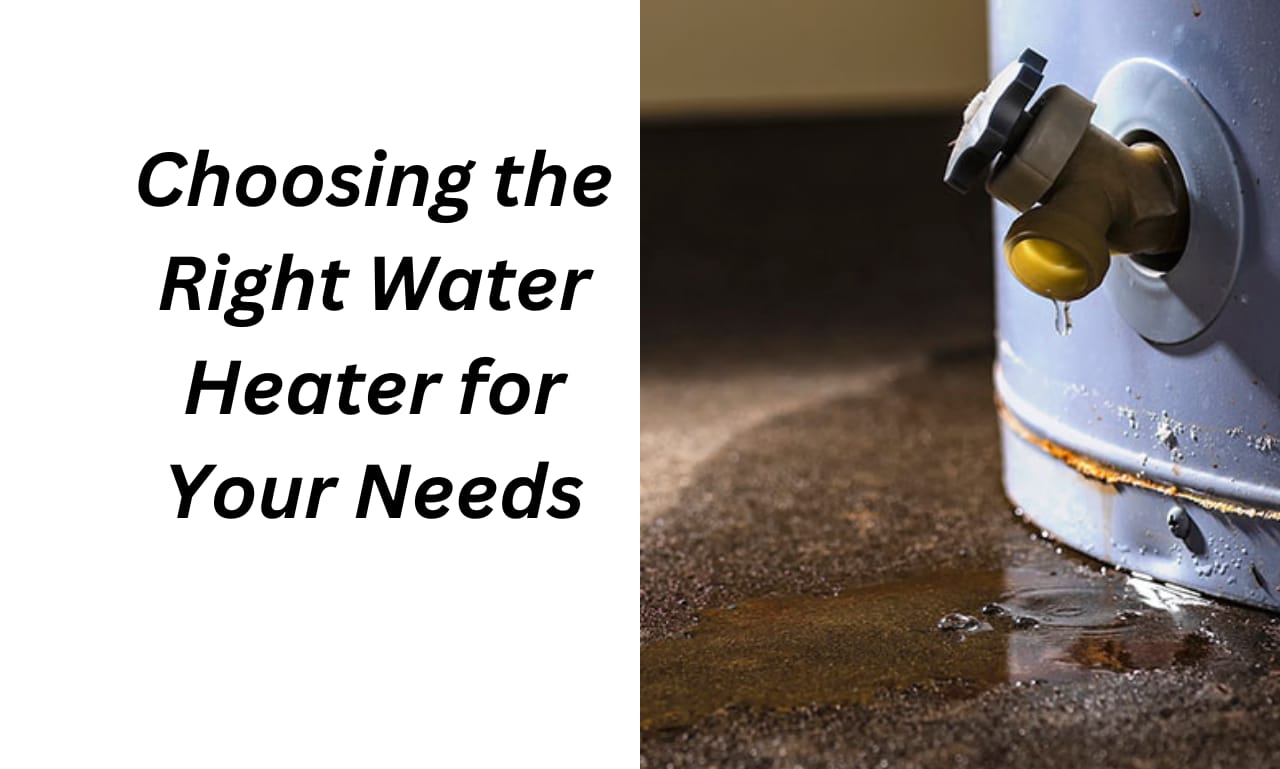
Proper water heater installation can boost the system’s longevity, performance, and safety. A professional can insulate the tank water heater effectively to reduce standby heat loss. A poorly installed water heater can lead to leaks, which can cause water damage and mold growth.
They can also assess your home and find the most suitable spot for installation to enhance efficiency. Some areas require permits for water heater installation. Professionals can help with permits and determine if the installation complies with local regulations.
Hire Experienced Plumbers
Qualified plumbers can assess your water heater needs, and consider your household size and hot water demand to help you choose the right water heater. They can perform load calculations to prevent issues like running out of hot water or choosing an oversized unit, which can be inefficient and pricey. Work with a licensed plumber to choose a water heater that meets your needs.