Which Type of Coaching is Right For Your Org?
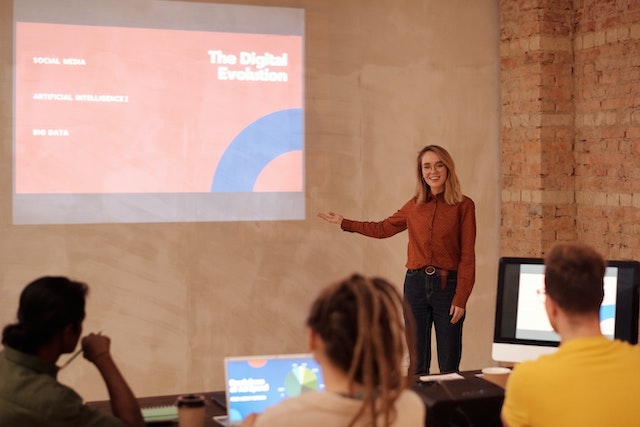
One of the key components of organizational success is a strong and effective executive team. These are the individuals who steer the ship, make critical decisions, and set the overall direction for the company. However, even the most experienced and talented executives can benefit from coaching. Executive team coaching offers a unique opportunity for these leaders to enhance their skills, improve collaboration, and take their performance to new heights.
Coaching provides a space for executives to reflect on their leadership style, identify areas for growth, and develop strategies to overcome challenges. It allows them to gain valuable insights from an objective third party who can provide constructive feedback and support in navigating complex situations. Through coaching, executive teams can address conflicts effectively, build trust among team members, and foster a culture of open communication — all crucial factors in driving organizational success.
Moreover, executive team coaching goes beyond individual development; it focuses on fostering collaboration within the team as well. By engaging in joint coaching sessions, executives learn how to tap into each other’s strengths and work together more harmoniously. This not only leads to higher levels of productivity but also creates a unified vision that cascades throughout the organization. As such, investing in executive team coaching is not just an investment in individual leaders but also an investment in elevating organizational performance as a whole.
Contents
- 1 Executive Coaching: Enhancing leadership skills and performance
- 2 Team Coaching: Fostering collaboration and teamwork
- 3 Skills Coaching: Developing specific skills and competencies
- 4 Performance Coaching: Improving individual and team performance
- 5 Cultural Coaching: Creating a positive organizational culture
Executive Coaching: Enhancing leadership skills and performance
Executive coaching is a powerful tool that can help leaders enhance their skills and performance. Unlike traditional coaching, which focuses on skill development, executive coaching is specifically tailored to meet the needs of high-level executives. Through one-on-one sessions, executive coaches work closely with leaders to identify their strengths and areas for improvement, and then guide them through a structured process of self-discovery and growth.
One of the key benefits of executive coaching is its ability to enhance leadership skills. Executives who undergo coaching often report an increased ability to communicate effectively, make better decisions, think strategically, and inspire their teams. This improvement in leadership skills not only benefits the individual leader but also has a positive impact on the entire organization. Employees are more likely to be engaged and motivated when they have strong leaders guiding them.
Executive coaching goes beyond just skill enhancement; it also focuses on improving performance. By helping executives gain clarity about their goals and priorities, coaches assist in aligning their actions with organizational objectives. Additionally, coaches can provide valuable feedback on how leaders are perceived by others within the organization. This heightened self-awareness enables executives to identify any blind spots or areas where they may be inadvertently hindering their own success.
In conclusion, executive coaching is an effective way to enhance leadership skills and improve overall performance. With personalized guidance from an experienced coach, executives can develop stronger communication abilities and strategic thinking capabilities while aligning their efforts with organizational goals.
Team Coaching: Fostering collaboration and teamwork
Team coaching is a powerful tool for organizations looking to foster collaboration and teamwork within their teams. Unlike individual coaching, team coaching focuses on the collective dynamics of a group rather than the development of individual skills. By working with the entire team, coaches can identify and address any underlying issues that may be hindering collaboration and create an environment where team members feel valued and supported.
One key benefit of team coaching is that it helps to build trust among team members. Trust is essential for effective collaboration as it allows team members to openly share their ideas, opinions, and concerns without fear of judgment or conflict. A skilled coach can facilitate exercises and discussions that help team members understand one another’s strengths, weaknesses, and communication styles, enabling them to work together more effectively.
Additionally, team coaching can help teams become more self-aware about their collective goals and objectives. Often individuals may have different interpretations of what success looks like for the team or have competing priorities which can lead to conflicts. Through coaching interventions such as goal setting exercises or facilitated conversations around shared vision alignment; teams are able to cultivate a deeper understanding of what they are working towards together ultimately allowing them to align their efforts towards achieving common objectives more efficiently.
Skills Coaching: Developing specific skills and competencies
When it comes to maximizing the potential of your employees, one approach that has gained significant popularity in recent years is skills coaching. This type of coaching focuses on providing individuals with the specific skills and competencies they need to thrive in their roles. Unlike traditional coaching which may have a broader focus on personal or professional development, skills coaching is more task-oriented and aims to address specific areas for improvement.
One of the key benefits of skills coaching is its ability to target skill gaps directly. By identifying the precise skills or competencies that are lacking, managers can tailor their coaching strategies accordingly. Whether it’s developing technical expertise, honing communication capabilities, or enhancing problem-solving abilities, the focus remains on building concrete skills that contribute to individual and organizational success.
While some may argue that focusing solely on skill development could compromise other important aspects such as mindset or motivation, research suggests otherwise. In fact, studies have shown that when individuals feel competent in their role because they possess the necessary skills, this often leads to increased confidence and intrinsic motivation. Through targeted skill development programs and ongoing support from skilled coaches, organizations can create an environment where individuals feel empowered and motivated to continuously improve their performance.
Performance Coaching: Improving individual and team performance
Performance coaching is a powerful tool for organizations looking to improve both individual and team performance. Unlike other types of coaching that focus solely on personal development, performance coaching specifically targets areas where employees may be falling short in their roles or where teams are struggling to meet their goals. By identifying these areas of improvement and working closely with individuals and teams, performance coaches help unlock their full potential and achieve higher levels of success.
One key aspect of performance coaching is helping individuals set clear, achievable goals that align with the organization’s objectives. This not only provides employees with a sense of direction but also gives them something tangible to work towards. By breaking down these goals into smaller, manageable tasks, individuals are able to stay focused and motivated throughout the process.
Additionally, performance coaching emphasizes the importance of effective communication within teams. Coaches work alongside team members to address any conflicts or obstacles hindering collaboration and guide them towards open dialogue and constructive feedback. This not only helps foster a more positive work environment but also improves overall team dynamics, resulting in better performance outcomes.
Cultural Coaching: Creating a positive organizational culture
Cultural coaching is a powerful tool that organizations can utilize to create a positive and thriving work environment. It goes beyond simply focusing on individual employees, but instead looks at the collective culture and values of the organization as a whole. Cultural coaching helps leaders understand how culture impacts employee behavior, motivation, and overall satisfaction at work.
One key aspect of cultural coaching is identifying the current organizational culture and assessing its strengths and weaknesses. This involves understanding the existing norms, values, and beliefs that shape the organization’s identity. By analyzing these elements, cultural coaches can help organizations make informed decisions about what needs to be changed or reinforced to create a more positive culture.
Furthermore, cultural coaching plays an important role in helping organizations align their cultural aspirations with their business objectives. It helps leaders define what kind of culture they want to cultivate within their organization and establish strategies for achieving these goals. With the guidance of a cultural coach, organizations can implement initiatives that promote diversity and inclusion, improve communication channels between teams, foster collaboration across departments, and enhance employee engagement.
By investing in cultural coaching, organizations have the opportunity to transform their workplace into one where employees feel valued, connected to their work, and motivated to achieve success together. Creating a positive organizational culture not only boosts employee morale but also enhances productivity levels within an organization. With cultural coaching as part of your organizational development strategy comes immense potential for growth and success.