What Is the Best Colour Shade Cloth for a Vegetable Garden?
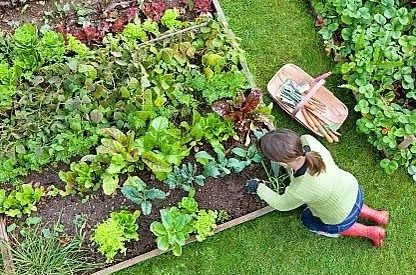
Choosing the right shade cloth for a vegetable garden involves considering several factors, with color being a crucial one. The color of shade cloth impacts the amount of light filtered through, the type of light spectrum provided to plants, and ultimately, the health and yield of your vegetables. This article delves into What Is Best Colour Shade Cloth For Vegetable Garden, their benefits, and practical tips for implementation.
Understanding Shade Cloth and Its Importance
What is Shade Cloth?
Shade cloth is a fabric, often made from polyethylene, used to provide protection from excessive sunlight and heat. It comes in various densities and colors, each offering different levels of light filtration and benefits for plant growth.
Why Use Shade Cloth in a Vegetable Garden?
Shade cloth helps maintain optimal growing conditions by:
Reducing heat stress on plants.
Protecting plants from harmful UV rays.
Controlling light exposure to ensure proper photosynthesis.
Color Options for Shade Cloth
Shade cloths come in various colors, including black, white, green, and red. Each color has unique properties that can influence the growth and health of vegetable plants.
Black Shade Cloth
Black shade cloth is one of the most common options. It effectively blocks sunlight and reduces temperatures but can absorb heat.
Benefits:
Provides excellent protection from intense sunlight.
Durable and long-lasting.
Reduces overall temperature, preventing heat stress.
Drawbacks:
Can increase the ambient temperature around plants if not adequately ventilated.
White Shade Cloth
White shade cloth reflects sunlight, which can help keep temperatures lower while still providing ample light for photosynthesis.
Benefits:
Reflects more light, reducing heat build-up.
Promotes a more even distribution of light.
Keeps the environment cooler.
Drawbacks:
May provide less shading compared to darker colors, potentially exposing plants to more light than needed.
Green Shade Cloth
Green shade cloth is popular in vegetable gardens due to its balance between light filtration and temperature control.
Benefits:
Offers a moderate amount of shading, suitable for most vegetable crops.
Blends aesthetically with garden foliage.
Provides adequate UV protection while allowing sufficient light.
Drawbacks:
The level of shading and light diffusion can vary, requiring careful selection based on specific plant needs.
Red Shade Cloth
Red shade cloth is used less frequently but can have unique benefits for certain vegetable crops due to its impact on light spectrum and plant growth.
Benefits:
Enhances the red light spectrum, promoting flowering and fruiting.
Can boost yield in specific plants like tomatoes and peppers.
Drawbacks:
Not suitable for all types of vegetables.
Limited availability compared to other colors.
Choosing the Best Color for Your Vegetable Garden
Consider the Needs of Your Vegetables
What Is Best Colour Shade Cloth For Vegetable Garden
Different vegetables have varying light and shade requirements. Leafy greens like lettuce and spinach generally prefer more shade, while fruiting plants like tomatoes and peppers require more light.
Leafy Greens: These plants thrive with 30-50% shade cloth, often benefiting from green or white options.
Fruiting Vegetables: Plants like tomatoes and peppers do well with 20-30% shade cloth, with red or black being suitable choices.
Climate and Sunlight Intensity
The local climate and the intensity of sunlight in your area are crucial factors. In hotter regions with intense sunlight, higher density (50-70%) and lighter-colored shade cloths like white or green may be more effective. In milder climates, lower density (20-30%) and darker colors like black can suffice.
Plant Growth Stage
Consider the growth stage of your vegetables. Young seedlings and transplants are more sensitive to light and heat, often benefiting from higher shade percentages. Mature plants, however, may require less shading to maximize their productivity.
Practical Tips for Using Shade Cloth
Installation and Positioning
Proper installation ensures maximum effectiveness:
Secure the shade cloth above the plants at a height that allows for adequate airflow.
Ensure the cloth is taut to prevent sagging and allow rainwater to run off.
Adjustability
Consider using adjustable or removable shade cloths. This flexibility allows you to provide more shade during peak summer months and reduce shading in cooler periods.
Maintenance
Regular maintenance of shade cloth is essential:
Inspect for any tears or damages and repair promptly.
Clean the cloth periodically to remove dust and debris that can block light.
Experimentation and Observation
Gardening involves a bit of trial and error. Experiment with different shade cloth colors and densities, and observe the response of your plants. Adjust based on what you notice about their growth, yield, and overall health.
Benefits of Using the Right Shade Cloth Color
Enhanced Plant Health
Using the correct color and density of shade cloth ensures that your vegetables receive the optimal amount of light and protection, leading to healthier, more vigorous plants.
Improved Yield and Quality
Proper shading can boost the productivity and quality of your vegetable crops. Plants are less likely to suffer from heat stress and sunburn, resulting in better growth and higher yields.
Energy and Water Savings
By reducing the temperature and preventing excessive evaporation, shade cloth can lead to significant savings in water usage and reduce the need for cooling interventions.
Conclusion
Choosing the best color shade cloth for your vegetable garden involves understanding the specific needs of your plants, the local climate, and the growth stage of your vegetables. While green and white shade cloths are generally versatile options, black and red shade cloths can also offer unique benefits depending on the situation. By carefully selecting and managing your shade cloth, you can create an optimal growing environment that enhances plant health, improves yields, and contributes to a more efficient and sustainable gardening practice.