What is Indigo Naturalis used for?
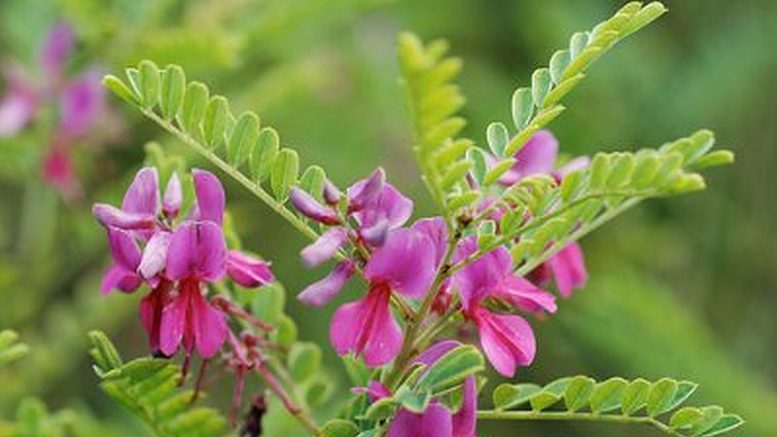
Indigo Naturalis, or Qing Dai, is a traditional Chinese herbal medicine used for centuries to treat various ailments. Derived from the leaves and stems of the plant Indigofera tinctoria, this natural remedy offers a wide range of therapeutic benefits. It has recently gained attention in modern medicine due to its potential applications in treating certain skin conditions and inflammatory disorders. This article will delve into the many uses of Indigo Naturalis and its potential benefits.
Introduction
Indigo Naturalis Qing Dai has a rich history dating back to ancient China, where it was primarily used as a coloring agent for textiles. Over time, traditional healers discovered its medicinal properties and integrated it into various therapeutic practices. It is gaining recognition in the scientific community for its potential therapeutic effects.
Historical Background of Indigo Naturalis
Indigo Naturalis has been an integral part of traditional Chinese medicine for millennia. Its use can be traced back to the Song Dynasty, which was documented in ancient texts for its ability to alleviate skin conditions and reduce inflammation.
The Chemical Composition of Indigo Naturalis
Indigo Naturalis contains various chemical compounds, including indirubin and indigo, which contribute to its medicinal properties. These compounds have been the subject of numerous scientific studies exploring their potential health benefits.
Indigo Naturalis in Traditional Chinese Medicine (TCM)
In TCM, Indigo Naturalis is believed to clear heat, detoxify, and cool the blood. It is often prescribed to address imbalances in the body and restore harmony. TCM practitioners use it for various skin conditions and inflammatory disorders.
Indigo Naturalis for Skin Conditions
1. Psoriasis
Psoriasis is a chronic skin condition characterized by red, scaly patches that can cause immense discomfort. Studies have shown that topical application of Indigo Naturalis can significantly improve psoriatic lesions and reduce the severity of symptoms.
2. Atopic Dermatitis
Atopic dermatitis, or eczema, is a common skin condition with itching and inflammation. Indigo Naturalis has demonstrated anti-inflammatory properties that can help alleviate the symptoms of atopic dermatitis.
3. Eczema
Eczema is a chronic skin condition that causes dry, itchy, and inflamed skin. The anti-inflammatory effects of Indigo Naturalis make it a potential natural remedy for managing eczema symptoms.
Indigo Naturalis for Inflammatory Disorders
1. Rheumatoid Arthritis
Rheumatoid arthritis is an autoimmune disease that causes joint pain and inflammation. Some studies suggest that Indigo Naturalis may help reduce joint inflammation and improve overall joint function.
2. Ulcerative Colitis
Ulcerative colitis is an inflammatory bowel disease that causes inflammation and ulcers in the digestive tract. Preliminary research indicates that Indigo Naturalis may offer some relief from the symptoms of ulcerative colitis.
3. Crohn’s Disease
Crohn’s disease is a chronic inflammatory condition affecting the gastrointestinal tract. While more research is needed, some studies suggest that Indigo Naturalis may have a role in managing Crohn’s disease symptoms.
Indigo Naturalis for Wound Healing
Besides its applications in skin conditions and inflammatory disorders, Indigo Naturalis has also been studied for its potential to promote wound healing. Some research suggests that it may accelerate the healing process and reduce scarring.
Potential Side Effects and Precautions
While Indigo Naturalis shows promise as a natural remedy, it is essential to be cautious about its usage. Some individuals may experience skin irritation or allergic reactions when applying it topically. Consultation with a healthcare professional is advisable, especially for pregnant or nursing women and individuals with existing medical conditions.
The Future of Indigo Naturalis in Modern Medicine
As scientific research into the medicinal properties of Indigo Naturalis continues, its potential applications in modern medicine are becoming more apparent. However, more robust clinical trials and studies must conclusively establish its efficacy and safety.
Conclusion
Indigo Naturalis, Qing Dai, a traditional Chinese herbal medicine, holds immense potential as a natural remedy for various skin conditions and inflammatory disorders. Its historical use in conventional medicine and emerging scientific evidence suggest it could be significant in modern healthcare. As with any alternative remedy, it is crucial to approach its usage cautiously and seek professional advice when needed.
FAQs
Q1: Can Indigo Naturalis treat other skin conditions not mentioned in the article?
While Indigo Naturalis has shown promise in managing psoriasis, atopic dermatitis, and eczema, its efficacy for treating other skin conditions requires further investigation. Consultation with a healthcare provider is recommended for personalized treatment plans.
Q2: Is Indigo Naturalis safe for children?
The safety of Indigo Naturalis in children is not yet fully understood. It is best to consult a pediatrician before using this herbal remedy on children.
Q3: Can Indigo Naturalis be consumed orally for its benefits?
The majority of studies on Indigo Naturalis have focused on topical applications. Oral consumption may not provide the same benefits and could pose potential risks.
Q4: Is Indigo Naturalis a cure for rheumatoid arthritis?
Indigo Naturalis cannot be considered a cure for rheumatoid arthritis. Still, it may help manage inflammation and improve joint function. It should be used as a complementary treatment under medical supervision.
Q5: Where can I purchase authentic Indigo Naturalis products?
Authentic Indigo Naturalis products can be found at reputable herbal medicine stores, specialty shops, or online retailers. Ensure that you purchase from trusted sources to avoid counterfeit products.