What is importance of Face Recognition Technology Evaluation results when choosing a vendor
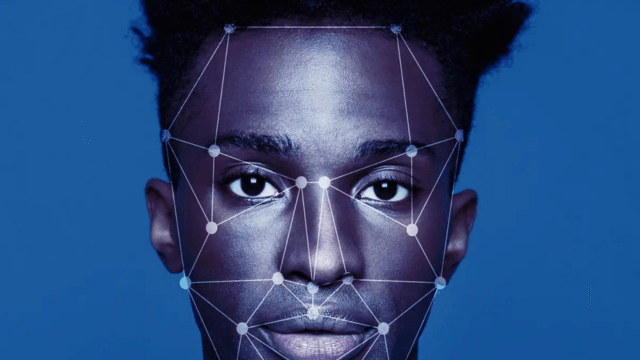
Facial recognition is quickly becoming commonplace in our everyday lives. Consumers are increasingly engaging with face recognition technologies, whether via mobile devices or in high-security facilities, such as governmental and law enforcement establishments.
As the technology becomes more widely accessible as a result of fast advances in AI technology, we look at the importance of the evaluation results of facial recognition systems when choosing a vendor.
Contents
What Aspects to Consider When Choosing a Vendor
When selecting a vendor for a face recognition system, there are several aspects to consider. Whilst each application is unique and requires a complete strategy, the variables for effective implementation are mostly consistent, however evaluation results are key.
Precision and accuracy are always crucial aspects to the success of facial recognition systems. For this reason operators are urged to consider solutions from vendors whose regularly updated algorithms are submitted to NIST for evaluation, and have ranked highly in specific industry tests such as the FRTE Facial Recognition Technology Evaluation award.
Accuracy can be the most critical factor in situations where facial recognition is used to protect access to secure facilities or highly confidential data
Face recognition technology evaluation results hold significant benefits. They act as training grounds for developers of face recognition systems, and offer reliable benchmarking for the accuracy of face recognition.
Additional benefits include:
Improvement in Correctly Recognizing Faces
Algorithms that undergo evaluation tests and emerge on top of the list as the most accurate ones correctly recognize faces across different variations, including:
- Occlusion
- Expression
- Illumination
- Pose
These results allow developers and providers of face recognition systems to enhance the accuracy of their algorithms. That means their systems can play a vital role in sensitive use cases like:
- Access control
- Border control
- Law enforcement
In practice, most use cases don’t need a 99% or higher level of accuracy. The top vendors in the market likely also offer models that can address all these constraints without losing more than 1 or 2%.
Out of 452 submissions from 128 different suppliers, the Neurotechnology algorithm was scored in the top 4% for the most accurate findings matching profile and frontal mugshot instances. See example at neurotechnology.com.
Summary
Face recognition evaluations encourage accountability and openness by giving thorough, publicly accessible information on algorithm performance. This openness enables stakeholders to make informed choices. Furthermore, it contributes to public trust in the moral and responsible utilization of facial recognition technology.