
What is Footwear ERP Software?
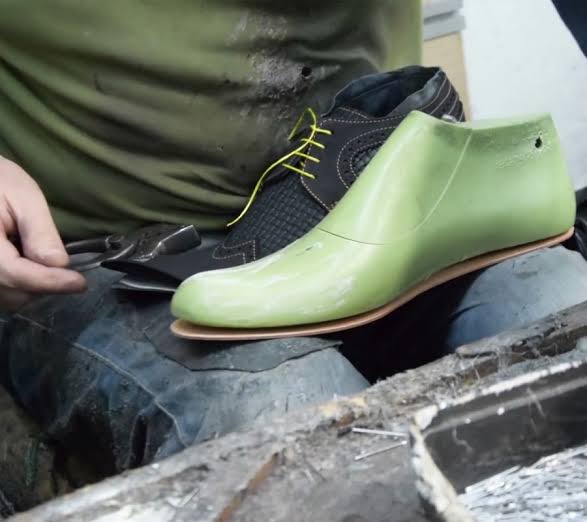
Footwear ERP refers to an Enterprise Resource Planning (ERP) software system designed specifically for footwear manufacturers and retailers. The ERP software is developed to help manage and streamline all aspects of the footwear business, from production and inventory management to supply chain and sales management.
Footwear ERP systems typically include modules for managing the planning, procurement, inventory, production, distribution, sales, and financials. The software can help companies optimize operations by providing real-time visibility into inventory levels, production schedules, and sales data.
Some of the critical features of a footwear ERP system include the following:
· Material planning and procurement
· Inventory management
· Production planning and scheduling
· Quality control and assurance
· Sales and order management
· Supply chain management
· Financial management and accounting
A footwear ERP system can help companies improve efficiency, reduce costs, increase productivity, and enhance customer satisfaction.
What Are the Benefits of Using Footwear ERP Software?
One of the main benefits of a footwear ERP system is that it provides a centralized platform for managing all aspects of the business.
This can help companies eliminate the silos when different departments use separate software systems or rely on manual processes.
By having a single source of truth for data, footwear manufacturers and retailers can make more informed decisions and respond quickly to changes in the market. For example, if a shoe style sells particularly well, a company can use the ERP system to adjust production schedules and allocate inventory accordingly.
In addition, footwear ERP systems can help companies improve their supply chain management by providing real-time visibility into inventory levels, production schedules, and delivery times. This can help companies avoid stockouts, reduce lead times, and optimize logistics operations.
Another critical feature of footwear ERP systems is their ability to automate many routine tasks, such as order processing, invoicing, and financial reporting. This can help companies reduce errors and save time and money on administrative tasks.
Finally, footwear ERP systems can help companies improve customer service by providing timely and accurate information on product availability, delivery times, and order status. This can help companies build stronger relationships with their customers and enhance their reputation in the marketplace.
How Does ERP Software Aid in Supply Chain Management?
A footwear manufacturer uses an ERP system to manage its supply chain. Here’s an example of how the system might help with supply chain management:
Forecasting: The ERP system can use historical sales data and other factors to forecast demand for different types of shoes. Based on these forecasts, the system can calculate the amount of raw materials and components needed for production.
Procurement: Based on demand forecasts, the ERP system can create purchase orders for the required raw materials and components. The system can also track the delivery times of these items and alert the manufacturer if there are any delays.
Production planning: The ERP system can use demand forecasts and inventory levels to create a production plan. This plan can include details such as which shoes to produce, how many, and when to produce them.
Inventory management: The ERP system can track the inventory levels of raw materials, components, and finished goods. This can help the manufacturer avoid stockouts and overstocking, which can lead to waste and increased costs.
Logistics: The ERP system can track the status of orders and shipments and provide real-time visibility into the movement of goods throughout the supply chain. This can help the manufacturer optimize its logistics operations and ensure timely delivery of products to customers.
Using an ERP system for supply chain management, the footwear manufacturer can improve efficiency, reduce costs, and increase productivity. The system can help the manufacturer make more informed decisions and respond quickly to changes in demand or supply chain disruptions.
How Does ERP Help with Logistics Optimization?
An ERP system can help with logistics optimization in several ways. Here are some examples:
Real-time tracking: An ERP system can provide real-time tracking of shipments, allowing companies to monitor the movement of goods and anticipate any potential delays or issues. This can help companies optimize their logistics operations by identifying bottlenecks and finding opportunities for improvement.
Route planning: An ERP system can help companies optimize their shipping routes based on distance, delivery times, and fuel efficiency. This can help companies reduce transportation costs and improve delivery times.
Warehouse management: An ERP system can help companies optimize their warehouse operations by providing real-time visibility into inventory levels, the location of goods, and order status. This can help companies reduce the time it takes to fulfill orders and improve order fulfillment accuracy.
Automated scheduling: An ERP system can automate the scheduling of transportation and logistics activities, such as loading and unloading, which can help improve efficiency and reduce costs.
Collaboration: An ERP system can facilitate collaboration between different departments and stakeholders involved in logistics operations, such as transportation providers, warehouse staff, and sales personnel. This can help ensure that everyone is working together towards the same goals and can help identify areas for improvement.
How Does Footwear ERP Help with Inventory Management?
An ERP system can help demand forecasting and inventory management in several ways. Here are some examples:
Data analysis: An ERP system can analyze historical sales data and other factors, such as seasonality, trends, and external events, to forecast demand for different products. This can help companies plan production schedules and procurement of raw materials and components, reducing the risk of overproduction or stockouts.
Inventory tracking: An ERP system can track inventory levels in real time, providing a clear picture of stock levels, locations, and movements. With this information, companies can identify potential stockouts, optimize inventory levels, and reduce the risk of overstocking.
Replenishment planning: An ERP system can automate replenishing inventory based on demand forecasts and inventory levels. This can help companies reduce the time it takes to restock items and ensure they always have the right amount of inventory.
Order management: An ERP system can automate the order management process, from receiving orders to fulfillment and delivery. This can help companies reduce errors, improve accuracy, and speed up order fulfillment.
Reporting: An ERP system can generate reports on inventory levels, stock movements, and demand forecasts. This can help companies identify trends, track performance, and make informed decisions about inventory management.


