What is an IP address and how to protect it?
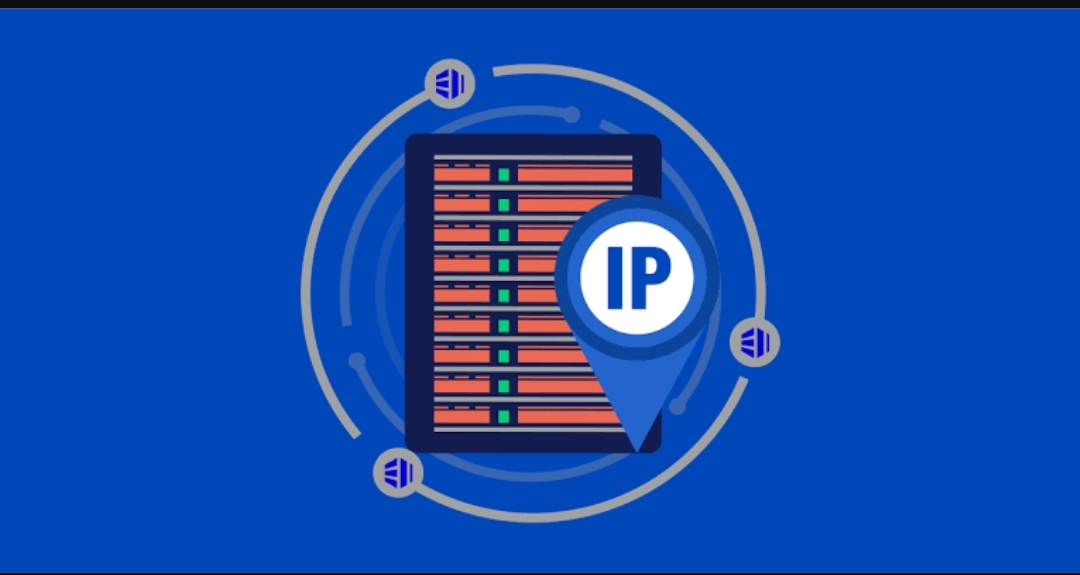
Have you ever wondered what makes the Internet work properly and fulfill its objectives? The Internet works through multiple tools and processes that, although they imply complexity, provide efficiency and favorable solutions to users. Those that facilitate the sending and receiving of information are essential to understanding what an IP address is.
Contents
What is an IP address?
In technical terms and according to the acronym that identifies it, the IP address is defined as “Internet protocol”. Of course, this is not enlightening enough. So what is an IP address? It is simply the address or number given to a device within a network. So the IP address allows you to identify devices and their location, grant them access to the network, and establish communication between them. Those in charge of “translating” the IP address numbers are the DNS or domain name systems. Thanks to these, it is possible to redirect access to the server. To more properly understand what an IP address is, it should be taken into account that there are two types of IP addresses: public and private, which are explained below.
Public IP address
What is a public IP address? It is an assigned address that can be accessed directly from the Internet. The service providers assign it to the routers or servers where the web pages are hosted. It is a unique address, which changes from time to time. Basically, it shows where our online activity comes from, which often means showing where we are (when carrying out certain online activities). There is a reason why the police are often successful in catching petty criminals. One of them is because they know for sure the IP addresses of the criminals.
Private IP address
On the other hand, private IP addresses are designated by routers for each device that accesses the Internet. These are totally exclusive. Private IP addresses are essential because they improve computer security within a specific network. This is because they communicate with devices connected to the same network and direct traffic to them. This type of IP is more secure, especially because of the encryption: they are not visible from the Internet, which is another key difference compared to public IPs.
Is hiding the IP address a good solution?
Once we know what an IP address is, it is important to know how to protect it. One way to do this is concealment. The most efficient way is to use a VPN: it increases the speed of the connection and does not provide the real location of your devices. This increases data protection and prevents cybercrimes. There are risks involved when other people know our IP address. For example, if there are people who are unfamiliar with technology, of course, that won’t be a problem. It’s another matter if one of them is “an expert.” What can hackers do with your IP? There are quite a few to be honest and none of us like every one of them.
Another way to protect the IP address is to constantly renew it across the devices connected to it. However, this only works for private IPs. Without a doubt, there is something we can conclude after this brief review: it is important to know how Internet connections work to know how to protect the user and the devices from it and obtain the benefits of being connected while minimizing the risks. The Internet is a wide world and understanding what an IP address is is just the first step. We hope this post was quite informative!