What is AEC-Q200? How Does It Work?
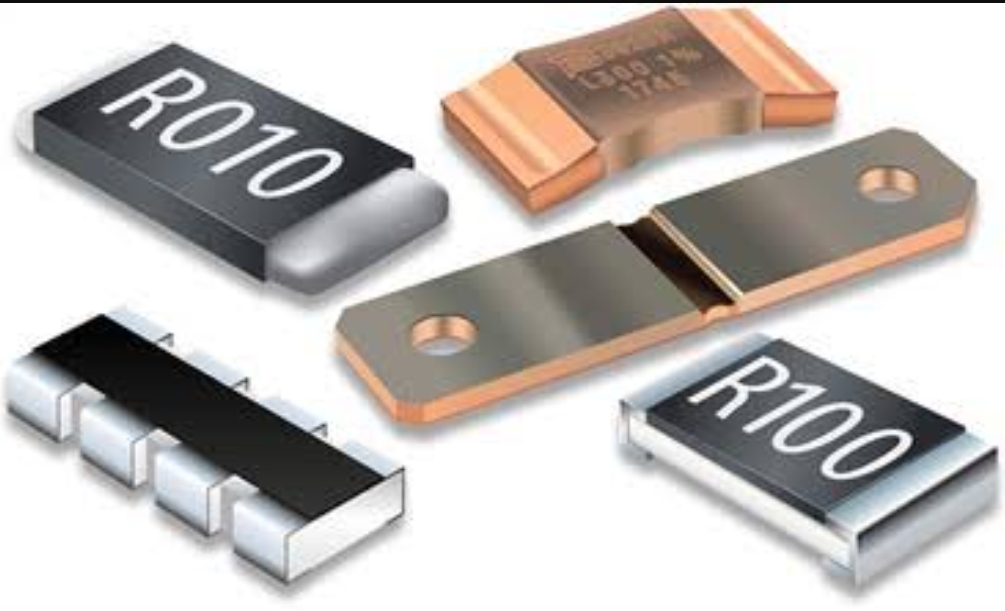
As automotive technology advances, vehicles have become safer and more reliable. To ensure the highest quality standards for components in these cutting-edge vehicles, AEC-Q200, a set of rigorous testing protocols, is important. Join us on an informative ride as we explore AEC-Q200, what is aec-q200, how it works, and why it is important to the automotive industry’s pursuit of excellence.
Contents
- 1 History and Purpose of AEC-Q200
- 2 Types of Components Covered by AEC-Q200 Standards
- 3 Importance of AEC-Q200 for Automotive Industry
- 4 Testing Process and Requirements for AEC-Q200 Compliance
- 5 Benefits of Using AEC-Q200 Certified Components
- 6 Conclusion Impact of AEC-Q200 on Automotive Quality and Reliability
History and Purpose of AEC-Q200
In the early 1990s, the Automotive Electronics Council (AEC) was established by major automakers, including General Motors, Ford, and Chrysler, recognizing the need for standardized reliability in-vehicle electronic components.
AEC-Q200 emerged with the main purpose of defining requirements for components that withstand extreme automotive conditions. This includes extreme temperatures, high humidity, mechanical vibrations, and electrical stresses.
AEC-Q200 establishes stringent guidelines for component performance and testing methods, ensuring approval only for robust and reliable components in automotive applications. This enhances overall vehicle quality and road safety by minimizing the risk of component failure. Evolving, AEC-Q200 now covers a broad range of electronic components, adapting to technological advancements and industry challenges.
In summary, the history and purpose of AEC-Q200 reveal its important role in standardizing and ensuring the durability of electronic components in the automotive industry, promoting vehicle reliability and safety. Let’s explore its details further!
Types of Components Covered by AEC-Q200 Standards
The AEC-Q200 standards cover various categories of electronic components important for ensuring the reliability and quality of automotive applications. The types of components covered include.
Passive Electronic Devices
- Resistors
- Capacitors
- Inductors
These components are essential for controlling electrical currents and voltages within automotive systems, and their reliability is important for proper vehicle operation.
Active Electronic Devices
- Integrated Circuits (ICs)
- Semiconductor Devices
Active electronic devices play important roles in signal processing, power management, and control systems within automobiles. They must meet stringent criteria to withstand the challenging environmental conditions experienced on the road.
Connectors
Connectors are responsible for establishing secure electrical connections between different parts of a vehicle’s electrical system. Their robustness and durability are tested to prevent potential malfunctions or safety hazards arising from unreliable connections.
Electromechanical Relays
Electromechanical relays control high-power circuits within automobiles, providing reliable switching functionality. These relays undergo testing to ensure proper operation even under demanding conditions.
Overall, the AEC-Q200 standards comprehensively address a wide range of electronic components that are integral to the optimal performance and safety of automotive applications.
Importance of AEC-Q200 for Automotive Industry
The AEC-Q200 standard is an essential part of the automotive industry, ensuring the reliability and durability of electronic components.
Safety Assurance
Vehicles operate in diverse and challenging environments. AEC-Q200 sets stringent requirements, testing components under extreme conditions like temperature variations, humidity, vibrations, and mechanical stress. This ensures that electronic components can handle the rigors of the road, contributing to overall vehicle safety.
Durability Demands
Longevity and resilience are important in the automotive world. AEC-Q200 addresses these demands by subjecting components to rigorous testing, assessing their ability to endure high levels of stress over prolonged periods. This results in robust components that can withstand the demands of continuous operation in vehicles.
Supplier Confidence
AEC-Q200 certification serves as a seal of approval for suppliers. Automakers can confidently select suppliers who meet these standards, knowing that the electronic components will adhere to strict quality and reliability criteria. It provides a standardized benchmark for evaluating the capabilities of different suppliers.
Reduced Failures and Costs
Using AEC-Q200 certified components contributes to minimizing failures and warranty claims related to electronic systems in vehicles. This not only enhances customer satisfaction but also saves costs associated with recalls or repairs due to faulty parts. It’s a proactive approach to ensuring reliability and minimizing post-production issues.
In conclusion, AEC-Q200 is the linchpin that ensures electronic components in vehicles meet the highest standards of quality and reliability. It’s not just a compliance requirement; it’s a commitment to safety, durability, and overall excellence in the automotive industry.
Testing Process and Requirements for AEC-Q200 Compliance
AEC-Q200 standards act as the ultimate quality assurance checkpoint for electronic components in the automotive industry. The testing regimen they prescribe is nothing short of exhaustive.
Temperature Cycling
Simulating real-world extremes, components endure cycles of high and low temperatures, ensuring resilience under thermal stress without compromising functionality.
Mechanical Shock Testing
Components face sudden impacts or vibrations akin to those experienced in vehicle operations or accidents. The goal? Ensure functionality remains intact under extreme conditions.
Vibration Testing
Subjecting components to varied frequencies and amplitudes of vibration mimics road conditions or engine vibrations. This assesses their resilience against mechanical stress.
Humidity Testing
Evaluating performance in high-humidity environments, important for regions with coastal or rainy climates, checks whether moisture affects functionality and reliability.
Electrical Characteristics Analysis
Assessing parameters like resistance, capacitance, and voltage ratings under diverse operating conditions ensures components meet specified performance requirements.
Extended Lifecycles
Select samples undergo extended testing over time, monitoring their performance at regular intervals. This ensures long-term durability and stability.
Visual Inspections
Throughout testing, vigilant visual inspections uncover any physical defects—cracks or deformities—that could impact function or safety.
Benefits of Using AEC-Q200 Certified Components
Using AEC-Q200 certified components in automotive applications offers several benefits.
Proven Performance
AEC-Q200 certified components undergo rigorous testing to ensure they can withstand extreme conditions such as high temperatures, vibrations, and humidity, providing proven performance under extreme automotive operating conditions.
Enhanced Safety
AEC-Q200 standards mandate strict criteria for electrical performance and failure modes analysis. This ensures that components used in automotive systems not only deliver reliable performance but also meet stringent safety requirements, benefiting both vehicle occupants and pedestrians.
Cost Savings
The use of standardized AEC-Q200 certified components can lead to cost savings in the long run. Manufacturers can reduce the risk of product failures or recalls, minimizing warranty claims and associated expenses. This contributes to overall cost-effectiveness while maintaining customer satisfaction.
Supplier Diversity
AEC-Q200 certification opens up access to a wider range of suppliers who comply with these standards. This increased supplier diversity fosters competition, often resulting in lower costs for automakers without compromising on the quality or reliability of components.
Industry Reputation
Incorporating AEC-Q200 standards into manufacturing processes demonstrates a commitment to producing high-quality products aligned with industry requirements. The certification serves as a mark of trustworthiness and reliability, enhancing the reputation of manufacturers within the automotive industry.
In conclusion, the benefits of using AEC-Q200 certified components in automotive applications include proven performance under extreme conditions, enhanced safety measures, cost savings through risk reduction, access to a diverse supplier pool, and an improved industry reputation.
Conclusion Impact of AEC-Q200 on Automotive Quality and Reliability
In conclusion, the implementation of AEC-Q200 standards has ushered in a new era for the automotive industry, ensuring the highest standards of quality and reliability in electronic components. This certification not only benefits manufacturers by reducing the risk of failures but also enhances overall vehicle performance and safety.
The stringent testing processes guarantee the use of durable components, capable of withstanding the demanding conditions of automotive environments. AEC-Q200 compliance instills confidence in consumers, assuring them that their vehicles are equipped with reliable electronic components that have undergone thorough testing and meet the industry’s most stringent standards for quality and safety.