What Does a Furnace Tuneup Include?
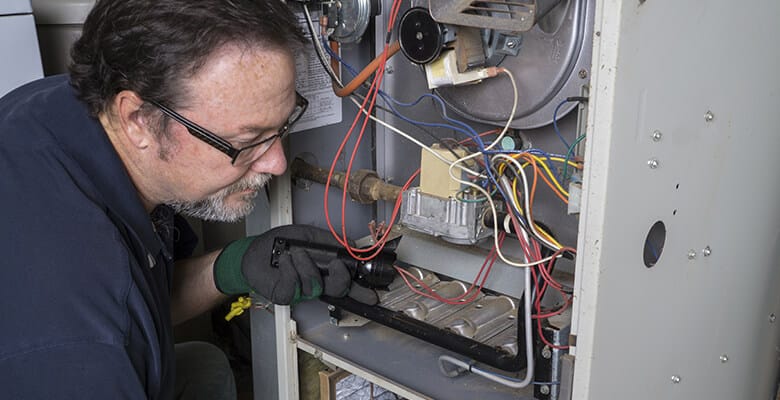
A furnace tuneup is a preventative maintenance process to confirm your home’s heating system operates efficiently and safely. Regular furnace tuneups can help prolong the lifespan of your furnace. These services can also help you avoid frequent furnace repairs, improve its performance, and promote a comfortable and warm home environment. Here is what a furnace tuneup includes:
Contents
Inspection of the Heat Exchanger
The heat exchanger comprises a series of tubes or enclosed shells, which allow for heat transfer between two or more fluids. Any damage to this system can significantly impact the efficiency of your furnace. During the inspection, technicians look for signs of corrosion and leaks. They pay close attention to the joints and seams of the heat exchanger and the internal surface and flange areas. Regular heat exchanger inspection informs repair technicians of the necessary furnace repair and preventative maintenance options.
Cleaning and Lubrication of Moving Parts
Dust and grime can accumulate on the moving parts of your furnace over time. This results in inefficiencies as your equipment has to work harder to function. Thorough cleaning is necessary to remove the buildup and restore optimal function. Lubricating the moving parts minimizes friction between surfaces in contact. This is a significant service that prevents damage to mechanical motion components. Too much lubricant can cause your equipment to overheat, while too little increases friction, leading to metal wear. Signs that cleaning and lubrication may be required include unusual noises, reduced efficiency, and increased energy consumption.
Testing and Calibration of Thermostat
The thermostat serves as the control system for your furnace, dictating when the furnace turns on and off. This is based on the temperature readings it receives. Thermostats can become less accurate over time, leading to inefficiencies in your HVAC system. To test the thermostat’s accuracy, a Guelph furnace repair technician places an accurate thermometer near the thermostat. After waiting a few minutes, both temperature readings are compared. Discrepancies between the thermostat reading and the actual room temperature may indicate that your thermostat needs to be recalibrated. Your furnace turning on and off at inappropriate times could also be another sign of thermostat malfunction.
Checking and Tightening Electrical Connections
Electrical connections can become loose due to the vibration of the furnace during operation. Loose links can lead to potential safety hazards such as electrical fires. During a furnace tuneup, a technician can inspect all electrical connections, tighten any loose connections, and repair or replace damaged wiring. Signs that your electrical connections may need to be inspected include fluctuating performance of your furnace, unexplained increases in your energy bills, or the furnace not working.
Inspection and Cleaning of Air Filters
Air filters trap dust and other particles, preventing them from circulating in your home and causing potential health issues. These filters can become clogged, decreasing furnace efficiency and increasing energy consumption. During a furnace tuneup, the technician should thoroughly inspect the air filter. If it’s dirty or clogged, they should clean or replace it. Your air filter may need inspection or cleaning when you notice a decrease in indoor air quality, increased dust around your home, or an unexplained rise in your energy bills.
Hire a Furnace Repair Expert
Regular furnace tuneups prevent unexpected breakdowns, high energy bills, and costly replacements. Tuneups allow technicians to catch and resolve minor HVAC issues before they escalate into major problems. A furnace repair expert conducts a thorough inspection to diagnose the issues and provide suggestions for repairs or replacements. These professionals can identify and address clogged filters, malfunctioning thermostats, or damaged heat exchangers. Contact a reputable furnace repair technician today to learn more about their services and how a tuneup may benefit your home’s HVAC system.