What are The Types of Asthma? A Guide to The Chronic Respiratory Condition
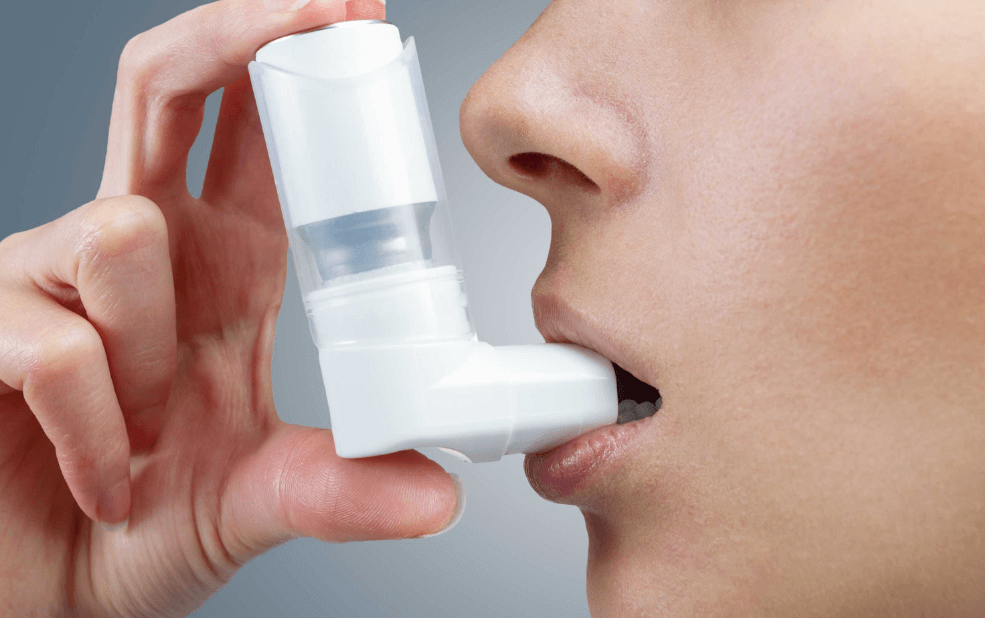
Asthma is a common chronic respiratory condition that affects millions of people worldwide. As per studies, More than 300 million people worldwide have asthma, with an additional 100 million projected to be at risk. However, Asthma is not limited to a single disease, nowadays there are different types of asthma people are dealing with.
This guide aims to provide an in-depth understanding of the various types of asthma, including their unique characteristics, triggers, and management strategies. By shedding light on these distinctions, individuals affected by asthma, as well as their caregivers and healthcare professionals, can gain valuable insights for improved asthma control and quality of life.
Contents
What is Asthma?
Asthma, also called bronchial asthma, is a disease that affects your lungs. It’s a chronic (ongoing) condition, meaning it doesn’t go away and needs ongoing medical management. It is characterized by variable and recurring symptoms, reversible airflow obstruction, and easily triggered bronchospasms.
During an asthma attack, the muscles in the airways tighten, causing them to swell and narrow. This results in difficulty breathing as the airflow is obstructed. The severity of an asthma attack can range from mild to severe, including discomfort symptoms like breathing difficulty, chest tightness, and more.
Moreover, Asthma continues to be a disease for which there is no cure, even if it can be very well controlled with the appropriate therapies. In addition, Asthma can be life-threatening if left untreated. Therefore, make sure to reach out to your doctor before it gets too late and take doctor-prescribed medicines to manage symptoms more effectively. Scott Read Pharmacy in Houston offers efficient medications that enhance overall well-being.
What are the Types of Asthma?
There are several types of asthma, each with its own characteristics and potential triggers. Here are the different types of asthma people suffer from.
Allergic Asthma
Allergic asthma is one of the common types of asthma also known as atopic asthma. This kind of asthma is triggered by allergens like pollen, pets, and dust mites. About 80% of people with asthma have allergies. When individuals with allergic asthma are exposed to these allergens, their immune system overreacts, resulting in inflammation and swelling of the airways. It is crucial to reach out to your health provider if you encounter the following symptoms.
Non-Allergic Asthma
Nonallergic or intrinsic asthma does not need an allergen to trigger an attack.
Unlike allergic asthma, the triggers for non-allergic asthma do not involve an allergic response but still result in similar inflammation and narrowing of the airways, leading to breathing difficulties and discomfort.
Occupational Asthma
The occupational asthma form is a type of asthma that is caused by occupational irritants and exposures, including chemicals, dust, gases, and fumes. Occupational asthma is a condition in which symptoms develop or worsen during the work shift and improve when the worker leaves work. It is important to pay attention to these symptoms and avoid them. Get in touch with your doctor and get a prescription for asthma medicines from a pharmacy in Houston.
Exercise-Induced Asthma
Exercise-induced asthma occurs during or after physical activity and primarily affects the airways. This type of asthma can be triggered by inhaling dry or cold air during exercise or physical exertion. Proper warm-up routines, appropriate medication use, and environmental adjustments can help manage and prevent exercise-induced asthma.
Severe Asthma
Severe asthma refers to asthma that is not well controlled with standard treatments. This type of asthma can be challenging to manage and may require specialized medications and interventions. Individuals with severe asthma may experience persistent symptoms that significantly impact their daily lives,
The Most Effective Asthma Medicines & Treatment Options:
There are several effective asthma medicines and treatments depending on the severity of your condition. Here are some you will be recommended by your doctor depending on your health condition.
1. Short-acting Beta-agonists
– Albuterol (ProAir HFA, Proventil HFA, Ventolin HFA)
– Levalbuterol (Xopenex HFA)
– Metaproterenol
– Terbutaline
2. Oral Steroids
– Methylprednisolone
– Prednisolone
– Prednisone
3. Leukotriene Modifiers
– Montelukast (Singulair)
– Zafirlukast (Accolate)
– Zileuton (Zyflo)
4. Severe Asthma Treatment
– Inhaled Long-acting Anticholinergics
– Inhaled Long-acting Beta-Agonists
– Bronchial Thermolasty Surgery
– InhaledOral Corticosteroids
– Theophylline (Theochron)
– Cromolyn Sodium (Intal)
– Leukotriene Modifiers
Conclusion:
It is important to note that asthma symptoms and triggers can vary greatly from person to person, and some people may have a combination of these types or have unique triggers and symptoms. If you suspect you have asthma or have concerns about the condition, it is critical to seek medical advice for an accurate diagnosis and appropriate treatment. To obtain quick access to effective doctor-prescribed asthma medications or other over-the-counter medications that boost immunity and improve overall wellness – Scott Read Pharmacy, a community pharmacy in Houston is your one-stop-spot for all of your health-care needs.