
UPS For Home Explained: How It Works & Why You Need One
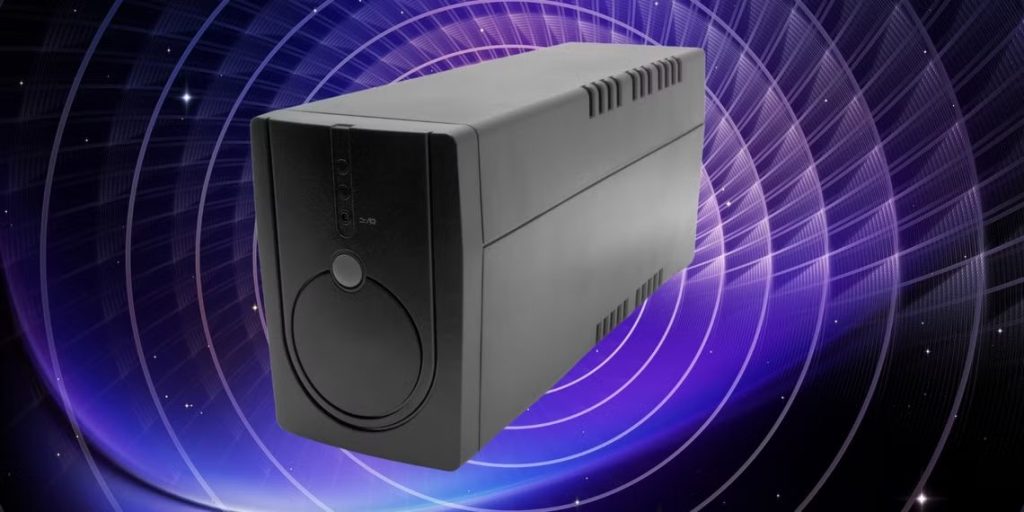
Today’s fast-paced life and hectic schedules demand consistent power supply. A power cut may invoke the nostalgia of childhood at rare times, but more often, it disrupts workflow and messes up the day’s work. Power backup solutions have naturally become the need of the hour, and UPS is a popular, helpful option. UPS refers to an Uninterruptible Power Supply. This device supplies emergency power when the primary grid fails to keep the space powered.
Solar UPS are sustainable alternatives that draw power from solar batteries and reduce dependency on the grid and carbon footprint. Join us as we explore how a UPS for home works and the many reasons for you owning one.
How Does a UPS for Home Work?
Unlike an emergency power system, a UPS supplies near-instantaneous protection against input power outages using battery power. Consider it an intermediary between the main power source and the electronic devices in your home. Its primary objective is to fill in the gap created by a power cut, and till the point a reliable power supply is established.
The UPS for home exists with the rest of the power system without any interference. During a power disturbance or outage, the UPS switches over to its battery, which stores electricity, and starts supplying continuous power to the connected devices and appliances.
Working Mechanisms of Different Types of UPS for Homes
Different UPS systems are designed to serve unique power issues. Here are insights into the key systems:
Standby (Offline) UPS
This UPS model provides surge protection and battery backup. In regular operation, it draws power directly from the primary source. When an anomaly is sensed, it switches to battery power. The switch takes a few seconds to turn on. Standby UPS systems are common and cost less than other alternatives.
Line-Interactive UPS
Line-interactive UPS systems are considered an improvement over the standby type. They feature a multi-tap variable-voltage autotransformer. This enables them to manage constant undervoltages (brownouts) and overvoltages without draining battery reserves. They regulate voltage swings by automatically switching to various power taps, maintaining a stable output.
Double-Conversion UPS
The double-conversion UPS is the most advanced and sophisticated of the three systems. It delivers constant and high-quality power to equipment without any break during the switchover to the battery. They shield equipment against power disturbances, such as blackouts, brownouts, sags, surges, or noise interference.
Why Do You Need a UPS for Home?
Every home can benefit from a power backup system. Its applications are not limited to supplying power. When it comes to UPS, here are the many reasons why it can be a useful purchase for you.
Power Supply Stays Uninterrupted
Instead of pausing your work and disrupting the day-to-day schedule because of a power outage, simply shift to a UPS for home. As you wait for the main grid to turn back on, you can keep the house going with the power supplied by the UPS.
Protection Against Voltage Surge and Spike
Voltage surges and spikes are not uncommon. As much as they can occur, they can also cause damage to electronic equipment. With a UPS for home installed, you can protect the equipment against voltage surges and spikes.
Support During Voltage Sags
Voltage can dip for many reasons, be it high electric demand or faulty wires. It may not seem to make a difference when the dip stays for a few seconds, but it is bad news for the devices and appliances connected to the power grid. Voltage sags can influence the performance and also cause long-term damage to the appliances and devices if they occur regularly. A UPS for home can safeguard against such voltage sags.
Substitute During Total Power Failure
Suppose a fuse blows on the grid or a line goes down somewhere. You will be facing a total power failure. The electronic devices you were relying on will stop working. You can either let the work come to a halt or install a UPS. It will provide alternative power to your home through electricity reserved in its batteries.
Benefits of Advanced Technologies
UPS systems now come with advanced technologies. With features like auto-bypass during default, you no longer need to make any additional effort during a power cut. Stay where you are, and the UPS will turn on the devices quickly after you lose power.
Wrapping Up!
People always make sure that their homes have everything they need to live a smooth and reliable life. Consistent power supply is a significant part of those needs. Power cuts are disturbing. Voltage dips, surges, spikes, and so on may not seem to be an issue when they happen one time and for a few seconds. However, they can do severe damage to the appliances and devices when they become regular. A UPS for home is a multi-purpose tool that helps in various situations, from total power loss to protection against voltage inconsistency.

