Unveiling the Vital Role of Self-Care in Health and Beauty

There is much talk these days about “self-care.” Health and beauty companies promise to make you feel good with their products. You might hear advice about taking more baths and learning to meditate. However, it can be confusing to figure out what “your” time should be and what it should not be.
Is self-care allowing yourself to watch another episode and treating yourself to a brownie? Or is it knowing when to stop watching Netflix and go to bed a bit earlier? And who decides?
The heart of the self-care is about renewing your spirit. It is about choosing activities or even doing nothing at all, that help you relax and feel refreshed. Self-care is ultimately about taking a break to do what makes you happier, calmer, and healthier.
No matter what products you buy or activities you engage in, it is important to remember that self-care is a personal experience. What makes you feel better mentally and physically may not be the same for your friends, colleagues, or partner.
Benefits of Practicing Self-Care
Self-care means different things to different people. It could be as simple as a relaxing bath, a visit to the library, a soothing massage, or a stroll in nature. Regardless of the form it takes, self-care is incredibly important. Studies have proven that neglecting self-care can lead to various physical, mental, and emotional issues while practicing self-care brings numerous benefits.
- Enhanced Productivity
Self-care can sharpen your focus and promote better mental and physical health. For example, a monthly massage and daily ten-minute stretches can make sitting at your desk more comfortable. Self-care is not limited to work; it extends to your leisure time as well. When you are less stressed, healthier, and happier, you can fully enjoy activities like creating scrapbooks, crafting with your grandchildren, or spending quality time with your partner. Whatever brings you joy becomes more meaningful when you prioritize self-care.
- Strengthens Your Immune System
Just as your devices recharge when plugged in, your body has a similar mechanism. The Parasympathetic Nervous System (PNS) signals your body to rest, recover, and recharge. Engaging in self-care activates the PNS, boosting your body’s natural healing abilities. Remember, supplements, healthy eating, and exercise can’t replace the need for genuine rest. Give yourself the gift of rest!
- More to Offer
An exercise routine provides energy for various aspects of life, and so does self-care. Engaging in regular exercise can improve how you feel about yourself, enhance your mood, help you sleep better, and increase your energy levels. It can also lower your chances of experiencing stress, clinical depression, dementia, and Alzheimer’s disease.
- Improved Well-being and Appearance
Think about how fresh and revitalized you feel after a haircut or a massage. Feeling good internally can enhance your beauty more than any makeup can. Did you know that smiling intentionally signals to your body that you’re happy, not the other way around? Give it a try!
Tips to Prioritize Self-Care
- To boost your energy and concentration during the day, make sure to eat a variety of healthy foods like fruits, vegetables, seafood, and nuts.
- Stay healthy by drinking about 8 glasses of water each day. Drink even more when it is hot. Reduce caffeine intake from drinks like soda and coffee, and limit alcohol.
- Be active for at least 30 minutes daily. Just a walk can boost your mood and health. Little movements throughout the day count too.
- Take time daily to relax and destress. You can do yoga, meditate, breathe deeply, listen to music, write in a journal, or try new hobbies alone or with friends. Hobbies are a fun way to stay busy and learn.
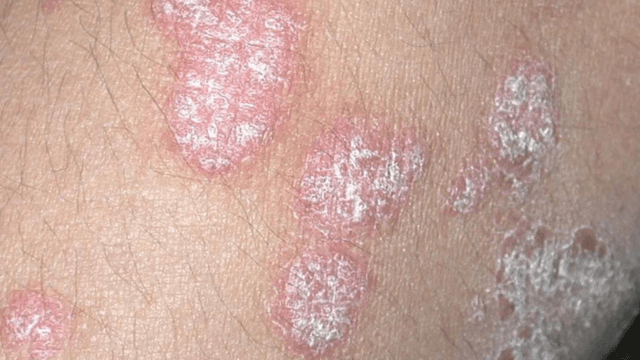
- Self-care means taking care of your skin. When your skin looks good, you feel better emotionally and mentally. Spend time with family and consider getting a facial in Oakville or acne scar treatment in Guelph.
- Get 7 to 9 hours of sleep each night. Avoid screens like phones and computers before bed, as the blue light makes it hard to sleep. Skip violent or upsetting movies or news, and read positive books or listen to inspiring podcasts.
- Build strong relationships with supportive family and friends. Join activities like classes or support groups to meet new people. Reach out to friends or family for emotional support and practical help.
- If you feel really down or self-care doesn’t help, talk to a healthcare provider. They can connect you with counselors and resources that can assist. Acupuncture in Toronto is another form of self-care that promotes balance and mindfulness, helping with issues like depression, back pain, and fertility. Book a session to encourage your body to find balance and heal.