Unraveling the Enigma: CRM vs. Ticketing System in Customer Support
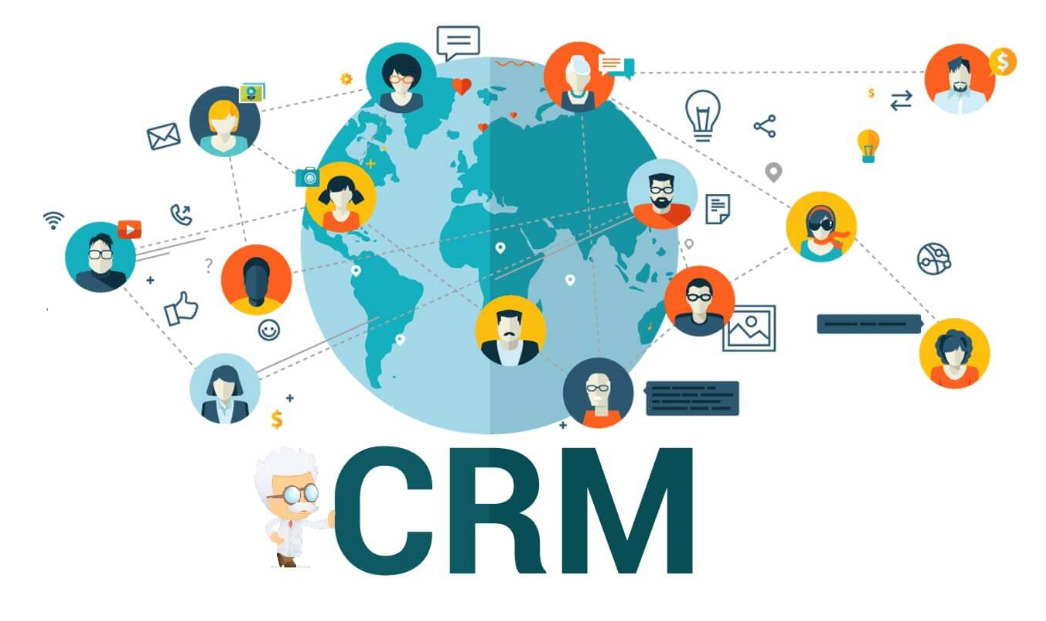
In the dynamic landscape of customer support, businesses often find themselves at the crossroads, pondering the most effective tools to manage their interactions with customers. Two prominent players in this arena are Customer Relationship Management (CRM) systems and Ticketing Systems. While both aim to improve customer service, they differ significantly in their functionalities and applications.
Contents
Understanding CRM: Nurturing Relationships Beyond Tickets
Customer Relationship Management (CRM) systems are comprehensive platforms designed to manage and analyze customer interactions throughout the entire lifecycle. The primary goal of CRM is to foster a deeper understanding of customers, allowing businesses to build and nurture long-term relationships.
Key Features of CRM:
Contact Management:
- CRM systems excel at organizing and managing customer information. From basic contact details to in-depth insights into customer preferences and purchase history, CRM ensures a holistic view of each customer.
Sales and Lead Management:
- CRM platforms often integrate sales and lead management features, empowering businesses to track opportunities, manage pipelines, and optimize their sales processes.
Marketing Automation:
- Many CRM systems incorporate marketing automation tools, enabling businesses to create targeted campaigns, automate communications, and analyze the effectiveness of marketing efforts.
Customer Analytics:
- CRM systems provide robust analytics capabilities, allowing businesses to derive actionable insights from customer data. These insights contribute to strategic decision-making and personalized customer interactions.
Ticketing Systems: Streamlining Support Operations
On the other hand, Help desk ticketing System are specialized tools designed specifically for managing and resolving customer support issues efficiently. These systems are instrumental in organizing, prioritizing, and tracking customer inquiries, ensuring that no request goes unanswered.
Key Features of Ticketing Systems:
Issue Tracking:
- Ticketing systems excel at creating a centralized hub for customer inquiries. Each support request is assigned a unique ticket, streamlining the tracking and resolution process.
Automation of Workflows:
- Automation is a cornerstone of ticketing systems. By automating routine tasks, such as assigning tickets to the right agent or escalating urgent issues, businesses can significantly improve response times and overall efficiency.
Knowledge Base Integration:
- Many ticketing systems integrate knowledge base functionalities, providing support agents with quick access to relevant information. This integration enhances the speed and accuracy of issue resolution.
Reporting and Analytics:
- Ticketing systems offer reporting tools to assess the performance of the support team. Metrics such as response times, resolution rates, and ticket volumes help businesses refine their support strategies.
CRM vs. Ticketing System: Bridging the Gap with “Contact Management Software”
While CRM systems and Ticketing Systems serve distinct purposes, there is a growing need for a seamless integration of both functionalities. This integration is where “contact management software” plays a pivotal role.
Contact management software acts as a bridge, merging the relationship-focused features of personal CRM with the operational efficiency of ticketing systems. By unifying customer data and support workflows, businesses can create a more holistic approach to customer interactions.
Advantages of Contact Management Software:
360-Degree Customer View:
- Integrating CRM and Ticketing functionalities provides a complete view of the customer. Support agents can access not only historical interactions but also current issues, enabling more personalized and informed responses.
Efficient Ticket Resolution:
- By embedding ticketing capabilities within the CRM environment, businesses can streamline support operations. Support agents can view, manage, and resolve tickets without switching between multiple systems, enhancing overall efficiency.
Data-Driven Decision Making:
- The combined analytics capabilities of CRM and Ticketing Systems empower businesses to make data-driven decisions. Whether optimizing support workflows or refining marketing strategies, the insights derived from integrated systems contribute to strategic growth.
In conclusion, while CRM and Ticketing Systems cater to different aspects of customer interaction, the evolving landscape of customer support demands a more integrated approach. “Contact management software” emerges as the key to seamlessly combining relationship-building strategies with operational excellence, ensuring businesses not only manage tickets but also nurture enduring customer relationships. As businesses continue to navigate the intricacies of customer support, a harmonious integration of CRM and Ticketing Systems is undoubtedly the way forward.