Understanding the Roles & Rules of Aircraft Lighting
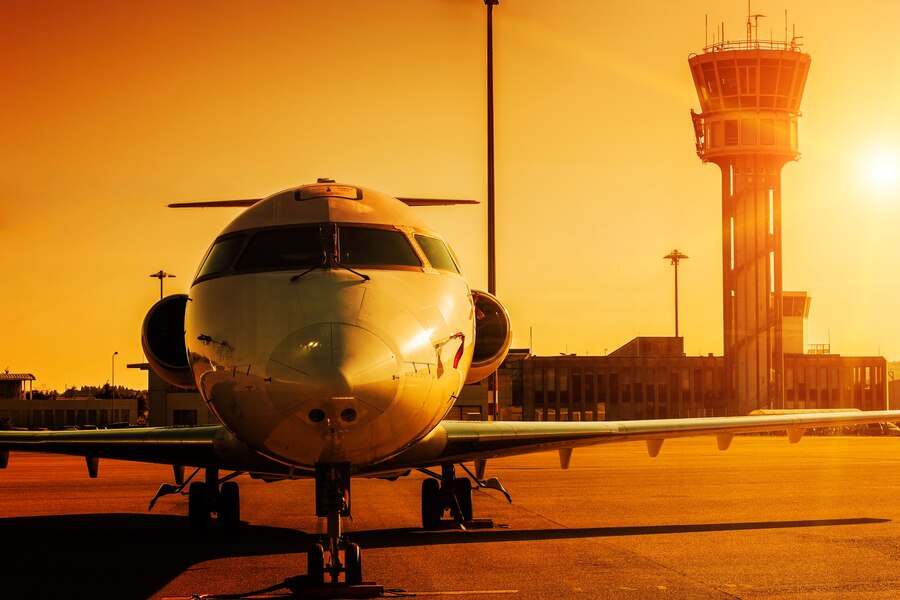
The lighting of aircraft is an essential component of aviation, and it encompasses a diverse range of lighting systems and functions that work together to make air travel as risk-free and productive as possible. Its primary function, however, is to provide illumination, but it also helps with navigation, communication, and the safety of passengers. You will investigate the critical responsibilities that are played in addition to the regulations that control airplane illumination in this blog.
Contents
- 1 The Importance Of Lighting On Board An Aircraft
- 2 Different Categories Of Lighting For Aircraft
- 3 Navigation Lights
- 4 Warning Lights To Prevent Collisions
- 5 Emergency Lighting
- 6 Regulations And Obligatory Behavior
- 7 Maintenance And Inspections
- 8 Developments In The Lighting Systems Of Aircraft
- 9 Conclusion
The Importance Of Lighting On Board An Aircraft
It is of the utmost importance to comprehend the relevance of aviation illumination. Lighting aboard the aircraft plays an important role in boosting visibility, which is especially important during night flights and when the weather is poor. It ensures that pilots can see other aircraft, ground people, and air traffic controllers, as well as ensuring those individuals can see them themselves. The status of an aircraft and its intentions toward other users of the airspace can be communicated to those around it through the use of a variety of illumination arrangements. Various lights on an aircraft indicate the position, heading, and status of the aircraft, which contributes to safer navigation. Lighting aboard an aircraft is an extremely important component, particularly in high-stakes scenarios like evacuations and crises. Even in total darkness or with smoke filling the cabin, it makes it easy for passengers to find their way out of the plane safely, thanks to this feature
Different Categories Of Lighting For Aircraft
The term “exterior lighting” refers to the assortment of aircraft lights that are meant to serve a variety of functions.
Position Lights: are lights that are normally red and green and are used to identify the orientation of an aircraft at night. The red light is situated on the left side, while the green one is on the right. The use of this color coding makes it easier for other aircraft to determine the route being taken.
Strobe Lights: High-intensity strobe lights flash rapidly to boost an aircraft’s visibility, particularly during takeoff and landing, as well as in crowded airspace. Strobe lights are also used in congested airspace. They are there to give other aircraft advance notice of the presence of the aircraft in question.
The interior illumination helps to add to the comfort and safety of the passengers:
Cabin Lighting
Lighting in the Cabin Lighting that is dimmable and adjustable in the cabin creates a relaxing atmosphere for passengers while they are traveling, which in turn improves their experience as a whole.
Emergency Exit Signs
Illuminated exit signs direct passengers to emergency exits during evacuations, ensuring a quick and orderly exit even in difficult circumstances.
An aircraft needs to be equipped with navigation lights so that it can clearly communicate its position and heading to other pilots and personnel on the ground. These lights are composed of red, green, and white lights, and they are often located on the tips of the wings and the tail of the aircraft. Because of the combination of these lights, other aircraft are better able to identify whether an aircraft is coming closer or moving further away, which helps avoid collisions.
Warning Lights To Prevent Collisions
Anti-collision lights, sometimes known as beacon lights, are intended to protect aircraft from colliding with one another in mid-air. They let off a pulsating, bright light that can be seen from a great distance and is easily identifiable. When the airplane’s engines are operating, these lights illuminate, acting as a cautionary indication to other aircraft in the vicinity.
Emergency Lighting
When there is an emergency, the lighting in the airplane takes on a far more important role. Specialized lighting systems are installed in the emergency slides, as well as the exit signs and floor illumination, to direct passengers in the direction of safety. These lights have been designed to continue functioning reliably even when there is complete darkness or when there is smoke present, which helps to make quick evacuations possible.
Regulations And Obligatory Behavior
Regarding the lighting of airplanes, the aviation sector enforces stringent regulations and compliance criteria. Numerous aviation authorities, such as the United States Federal Aviation Administration (FAA), have formulated detailed regulations and policies that pilots must adhere to. In order to ensure that all of the operations are uniform and safe, these laws govern the intensity, color, timing, and utilization of the various lights.
Maintenance And Inspections
It is necessary to do routine maintenance and inspections on the lighting systems of airplanes. Burnt-out bulbs and lights that don’t work properly can put people’s safety and the efficiency of operations at risk. When it comes to making sure that all of the lighting systems are in good operating condition, airlines and maintenance crews adhere to stringent regulations, which include performing frequent checks and replacing components as necessary.
Developments In The Lighting Systems Of Aircraft
Technology has made great strides in recent years, which has resulted in advancements in aircraft lighting systems. Lighting made with Light Emitting Diodes, or LEDs, has quickly become the product of choice due to the energy savings, durability, and dependability it offers. Additionally, aircraft manufacturers are offering customizable lighting systems that not only improve passenger comfort but also add visual appeal to the cabin interior, boosting the entire passenger experience. These lighting systems are a new addition to the aircraft industry and are expected to become more widespread in the near future.
Conclusion
Lighting on board an aircraft is a multi-faceted and essential component of the aviation industry that contributes to the passenger’s sense of safety, functionality, and overall experience of flying. Lighting plays an essential part in modern aviation, performing functions ranging from facilitating navigation to safeguarding the safety of passengers. Air travel is continually becoming safer and more comfortable for passengers as a result of strict adherence to regulations and the introduction of cutting-edge lighting systems.