Understanding the Basics of Power Only Trucking?
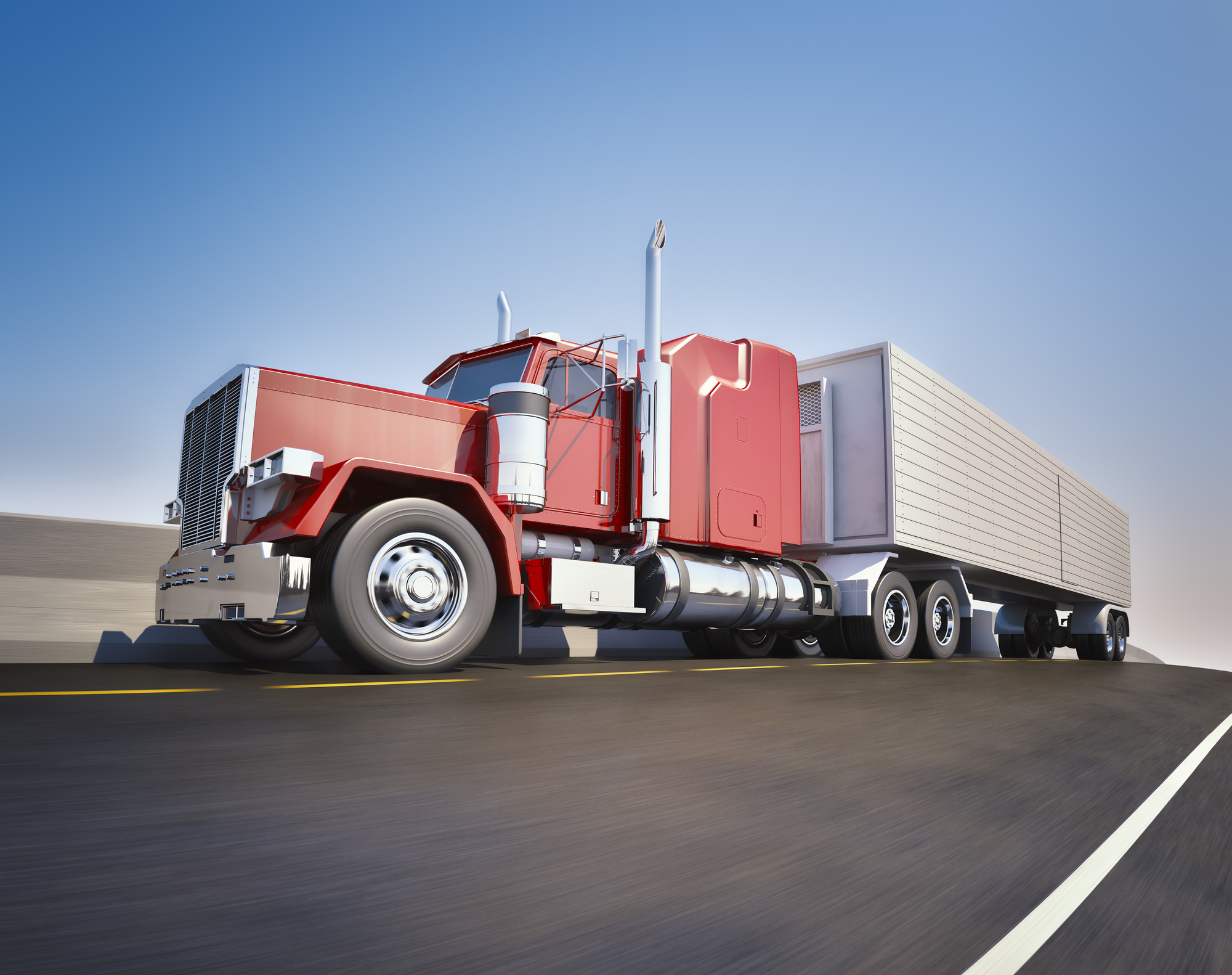
Power Only trucking refers to a specific type of freight transportation in which a trucking company or independent operator (also known as the “power”) is contracted to haul a client’s trailer. The term “power only” stems from the “power” unit, or tractor, which is provided by the trucking company or operator, while the trailer is owned by the client.
This model is incredibly versatile and practical, allowing the transportation of various types of trailers such as flatbeds, refrigerated trailers, dry vans, tankers, and more. This means that a company specializing in power only trucking can accommodate a wide array of cargo types, ranging from perishable goods to heavy machinery.
Contents
- 1 Explained Power Only Trucking
- 2 Key Considerations with Power Only Trucking Companies
- 3 Benefits of Power Only Trucking
- 4 Drawbacks of Power Only Trucking
- 5 Power Only Carriers vs. Traditional Full Truckload Carriers
- 6 Determining the Suitability of Power-Only Transport Based on Business Requirements and Market Trends
Explained Power Only Trucking
Grasping the Concept of Power Only Trucking
Power only trucking is a specific type of trucking service where an independent operator or company uses their truck – the power unit – to pull a customer’s trailer. This model of trucking is quite flexible and typically involves transporting different types of trailers over varying distances.
Is Power Only Trucking Similar to Drop and Hook?
While power only trucking and drop and hook trucking may seem similar, they are two different methods. Drop and hook refers to the process where a driver delivers a full trailer to a customer’s location and then hooks to an empty one. On the other hand, power only trucking refers to the transportation service where only the tractor unit (the “power”) is provided, while the trailer is supplied by the client.
Securing Power Only Loads
Acquiring power only loads can be achieved through various channels. These include load boards, which are online matching systems where freight brokers post loads for carriers to pick up. Additionally, developing relationships with shippers and brokers who often need power only services can also lead to a steady stream of work.
Profitability of Power Only Trucking
Power only trucking can be profitable depending on a variety of factors, including fuel costs, the rates negotiated per load, and the operating costs of the truck. By reducing expenses and maximizing the use of their equipment, power only truckers can increase their profitability.
Defining Power Only Trucking
In simple terms, power only trucking is a specialized trucking service where the trucker or company uses their own tractor to haul a customer’s trailer. This mode of transport can be used for one-off deliveries or can be part of a more comprehensive logistics strategy.
Key Considerations with Power Only Trucking Companies
Defining Expectations and Particular Requirements
When working with a power only trucking company, it’s important to clearly define your expectations and specific requirements. This could include details such as delivery timelines, frequency, or handling instructions for the goods.
Evaluating the Distance and Destination
The distance and final destination for your shipment should also be considered. Some power only trucking companies specialize in certain routes or regions, which can impact costs and delivery times.
Considering Technological and Automation Capabilities
The power only trucking company’s use of technology and automation is another important factor. Companies with advanced technology can offer real-time tracking, accurate cost determination, and automated dispatch, which can streamline operations and improve customer service.
Understanding Load Specifics and Special Needs
The type of load and any special requirements should also be taken into account. For instance, some goods might need temperature-controlled transportation or other special handling.
Assessing Delivery Timelines and Turnaround Time
Finally, the turnaround time and delivery window are crucial aspects. These directly influence how effectively the power only trucking company can meet your logistics needs.
Benefits of Power Only Trucking
Greater Control
One of the advantages of power only trucking is the control it offers. It allows operators to manage their schedule more effectively, as they are not tied to specific freight or routes.
Reduced Cost
Power only trucking can also be more cost-effective. Companies can save money on equipment costs as they only need to maintain the tractor and not the trailer.
Lowered Expenses
By focusing on providing the tractor, power only trucking can lead to lower expenses. The maintenance, repairs, and insurance costs of the trailer are typically borne by the customer or shipper.
Drawbacks of Power Only Trucking
Limitations in Scalability
One potential drawback of power only trucking is scalability. If the demand for services exceeds the supply of available tractors, growth can be limited.
Scheduling Challenges
Scheduling can also be more complex in power only trucking. Coordinating pick-ups and drop-offs with various customers and their specific trailers can be more challenging than managing your own fleet.
Complications in Collaboration
Collaboration between the trucking company and the customer, often mediated by an independent truck dispatcher, can sometimes present a downside. This partnership demands effective communication to ensure that the trailer is prepared and ready for pickup, as well as delivery on time. The role of the independent truck dispatcher in this scenario is crucial, as they act as the critical communication link, helping to synchronise activities and avoid any potential delays.
Power Only Carriers vs. Traditional Full Truckload Carriers
This section compares the power only trucking model with the more traditional full truckload (FTL) carriers, discussing the pros and cons, costs, scheduling, and operational differences between the two methods.
Determining the Suitability of Power-Only Transport Based on Business Requirements and Market Trends
In this section, we would provide insights to help businesses determine when power-only transportation is the best fit for their logistics needs. It would touch on various aspects such as cost, frequency of shipping, market demand, and the type of goods being transported.