Understanding How Reseller Hosting Works & How to Get Started
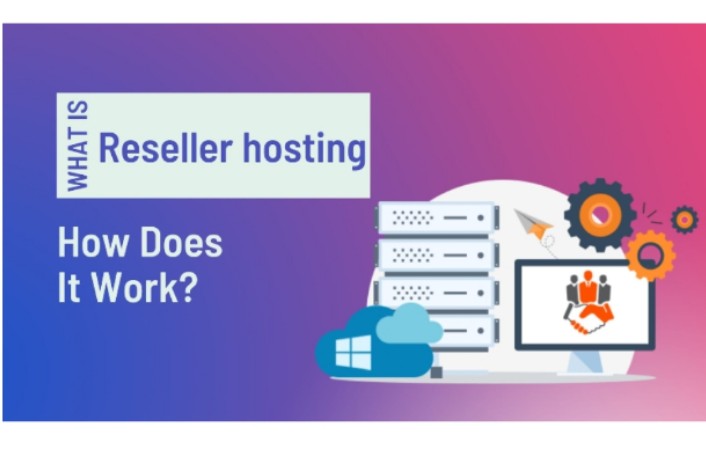
If you’ve ever considered dipping your toes into the world of web hosting as a means of generating passive income, reseller hosting might be the right path for you.
The concept of reseller hosting can be likened to setting up your own virtual real estate agency in the vast landscape of the internet. Imagine having the ability to lease out server space and bandwidth to individuals or businesses in need of hosting services without the hassle of managing the physical infrastructure yourself.
Intrigued by the idea of becoming a middleman in the digital realm? Let’s explore how reseller hosting works and uncover the essential steps to kickstart your reseller hosting venture.
Basics of Reseller Hosting:
When starting out in reseller hosting, understanding the fundamental aspects of the business is crucial for success. One key aspect to consider is reseller profit margins. As a reseller, your profit margins will depend on various factors such as the pricing structure set by the parent hosting company, the volume of sales, and the additional services you offer. To maximize your profit margins, it’s essential to carefully analyze your costs, set competitive prices, and explore upselling opportunities to increase revenue.
Another critical element to focus on is customer acquisition strategies. As a reseller, acquiring new customers is essential for growth and sustainability. Utilizing various marketing techniques such as social media advertising, search engine optimization, and email campaigns can help attract potential customers to your hosting services. Additionally, providing exceptional customer service and support can help retain existing customers and generate positive word-of-mouth referrals, further boosting your customer base. By implementing effective customer acquisition strategies, you can increase sales, improve brand visibility, and ultimately enhance your reseller hosting business.
Benefits for Resellers:
What advantages do resellers gain from participating in the hosting business ecosystem? As a reseller, you stand to benefit from various perks that can help you grow your hosting business. Here are some key benefits for resellers:
1.Pricing strategies: Resellers have the flexibility to set their own pricing for hosting services, allowing them to compete in the market while maintaining profitability. By offering competitive prices or unique pricing packages, resellers can attract more customers and increase sales.
2.Customer retention: Resellers can build strong relationships with their clients by providing excellent customer support and personalized services. This leads to higher customer satisfaction and retention rates, as clients are more likely to stay with a reseller who meets their needs effectively.
3.Scalability: Resellers can easily scale their hosting business by upgrading their resources or expanding their service offerings based on customer demands. This scalability allows resellers to adapt to changing market conditions and grow their business efficiently.
4.Brand building: By white-labeling hosting services, resellers can establish their own brand identity and reputation in the market. Building a strong brand presence differentiates resellers from competitors and attracts a loyal customer base.
Choosing a Reseller Hosting Provider:
When selecting a reseller hosting provider, consider vital factors like reliability, support, and services offered. Evaluate the provider’s uptime guarantees, server performance, and reputation within the industry.
Ensure they provide reliable customer support and a variety of services that cater to your needs as a reseller.
Provider’s Reliability Factors:
To ensure a reliable reseller hosting provider, evaluating factors such as uptime guarantees and customer support responsiveness is crucial. When conducting a reliability assessment and provider comparison, consider the following key factors:
1.Uptime Guarantee: Look for providers offering a high uptime guarantee (e.g., 99.9%) to ensure your website is accessible to visitors.
2.Customer Support: Opt for providers with 24/7 customer support via various channels like live chat, phone, and email for quick issue resolution.
3.Server Performance: Check for providers using high-quality hardware and offering scalable resources to handle traffic spikes efficiently.
4.Security Measures: Ensure the provider implements robust security protocols like SSL certificates, firewalls, and regular backups to protect your data.
Support and Services Offered:
Considering the reliability factors previously discussed, understanding the support and services offered by different reseller hosting providers is essential in choosing the right one for your website needs. Look for providers that offer 24/7 customer and technical support to ensure quick resolution of any issues that may arise.
Additionally, value-added services such as website migration assistance, security features, and regular backups can make a significant difference in your hosting experience.
Another crucial aspect to consider is white label support, which allows you to brand the hosting services as your own, enhancing your business’s professionalism.
Prioritize providers that offer a comprehensive package of support and services to ensure a smooth and efficient hosting experience for your clients.
Setting Up Your Reseller Account:
When setting up your reseller account, you’ll be guided through the account setup process, which involves configuring your hosting packages and pricing.
You’ll also receive an overview of the reseller tools available to you, such as billing software, client management systems, and support resources.
Understanding these aspects will help you efficiently manage your reseller hosting business and provide excellent service to your customers.
Account Setup Process:
During the account setup process for your reseller hosting, you’ll need to carefully configure your account settings to ensure smooth operation and efficient management of your hosting services. To customize your account effectively, consider the following:
1.Account Customization Options: Explore the various customization features offered by your reseller hosting provider, such as white-label branding options and custom control panel settings.
2.Setting Pricing Strategies: Determine your pricing structure based on factors like market competitiveness, the value of services offered, and profit margins.
3.Resource Allocation: Allocate disk space, bandwidth, and other resources to your hosting packages according to your clients’ needs.
4.Security Measures: Implement robust security measures such as SSL certificates and automated backups to protect your clients’ data.
Reseller Tools Overview:
To optimize your reseller hosting account setup process, familiarize yourself with the essential tools and functionalities provided in the Reseller Tools Overview for setting up your reseller account efficiently.
When it comes to reseller tools integration, ensure that you seamlessly integrate tools for marketing strategies, such as analytics and SEO optimization, to enhance your online presence and attract more customers.
Additionally, focus on reseller tool customization to tailor your services to meet the specific needs of your clients.
Implementing effective customer support strategies through tools like live chat support and ticketing systems is crucial for maintaining client satisfaction.
Managing Your Reseller Hosting Business:
Effectively managing your reseller hosting business requires constant monitoring and strategic decision-making. To ensure the success of your venture, consider the following key aspects:
1.Customer Retention Strategies:
Implement loyalty programs
Provide excellent customer support
Offer exclusive discounts to long-term clients
Regularly seek feedback to enhance customer satisfaction
2.Pricing Strategies:
Conduct market research to set competitive prices
Offer flexible pricing plans to attract a diverse clientele
Periodically review and adjust your pricing strategy based on market trends
3.Technical Support:
Provide 24/7 technical support to address any issues promptly
Invest in a reliable ticketing system for efficient problem resolution
Ensure your support team is knowledgeable and responsive
4.Security Measures:
Regularly update software and plugins to prevent security breaches
Perform routine security audits
Offer SSL certificates to enhance website security
Educate your clients on best security practices
Marketing Your Hosting Services:
As you focus on expanding your reseller hosting business, a key component of your growth strategy involves effectively marketing your hosting services to attract new clients and retain existing ones. Utilizing social media platforms like Facebook, Twitter, and LinkedIn can significantly boost your visibility. Engage with potential customers by sharing informative content, running targeted ads, and participating in relevant groups and discussions. Social media allows you to showcase your expertise and build credibility in the hosting industry.
In addition to social media, implementing email marketing campaigns can help you reach out to a wider audience. Create personalized and compelling email messages to promote your hosting services, special offers, and updates. Segment your email list based on customer preferences and behaviors to tailor your content effectively. By sending regular newsletters, product announcements, and exclusive deals, you can keep your clients informed and engaged with your hosting offerings. Remember to track the performance of your marketing efforts using analytics tools to refine your strategies and maximize your results.
Scaling Your Reseller Business:
When looking to expand your reseller hosting business and increase its capacity, a crucial aspect to focus on is the process of scaling your operations efficiently. To ensure successful scaling and sustainable business growth, consider the following key strategies:
1.Automate Processes: Implement automation tools for tasks like account provisioning, billing, and support ticket management to streamline operations and save time.
2.Invest in Infrastructure: Upgrade your servers and network infrastructure to handle increased demand and ensure optimal performance for your customers.
3.Enhance Customer Support: Provide top-notch support services to enhance customer retention rates, which are vital for the long-term success of your reseller business.
4.Diversify Service Offerings: Expand your product portfolio by offering additional services or packages that cater to different customer needs, helping to attract new clients and retain existing ones.
Frequently Asked Questions:
Can I Offer Custom Packages and Pricing to My Clients as a Reseller?
Yes, as a reseller, you can create custom packages with unique features and set pricing tailored to your clients’ needs. This flexibility allows you to offer personalized solutions and cater to a variety of preferences.
What Are Some Common Challenges Faced by Reseller Hosting Providers and How Can They Be Overcome?
When facing challenges as a reseller hosting provider, you may encounter difficulties with customer support and managing clients along with tough competition and pricing strategies. Overcome these hurdles by enhancing support systems and refining pricing strategies to stay competitive.
Is There a Limit to the Number of Clients I Can Have as a Reseller Hosting Provider?
As a reseller hosting provider, you can manage a scalable number of clients based on resource allocation. Ensuring customer satisfaction is vital. While there may be limits, effective client management and resource optimization can help overcome them.
Can I White-Label My Reseller Hosting Services to Maintain My Brand Identity?
Yes, you can white-label your reseller hosting services to maintain brand consistency. White labeling options allow you to customize the service with your branding elements, ensuring a seamless experience for your clients.
How Can I Ensure the Security and Privacy of My Clients’ Websites as a Reseller Hosting Provider?
To ensure data protection, implement security measures like SSL certificates, regular backups, and robust firewalls. Stay updated with security patches and use secure passwords for client accounts. Conduct regular security audits to safeguard your clients’ websites effectively.
Conclusion:
- In conclusion, reseller hosting offers a lucrative opportunity for individuals to start their own hosting business without the need for infrastructure.
- By partnering with a reliable hosting provider, setting up your reseller account, and effectively managing and marketing your services, you can successfully scale your reseller business.
- Understanding the basics of reseller hosting and taking the necessary steps to get started will set you on the path to a profitable hosting venture.