Understanding Angle Globe Valves: Functionality, Applications, and Benefits
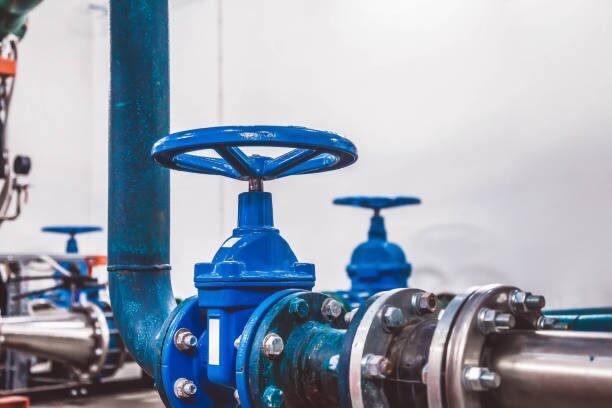
Angle globe valves are essential components in fluid control systems, offering precise regulation of flow and pressure in various industrial applications. In this comprehensive guide, we delve into the intricacies of angle globe valves, exploring their functionality, design features, applications, and advantages.
Introduction to Angle Globe Valves
Angle globe valves are a type of linear motion valve designed to control the flow of fluid through a pipeline by regulating the opening and closing of a movable disk or plug against a stationary seat. Unlike traditional globe valves, which have a linear flow path, an angle globe valve features an angled body design that allows for easier installation in tight spaces and piping configurations.
The functionality of Angle Globe Valves
The functionality of angle globe valves is based on the principle of throttling, where the flow of fluid is regulated by adjusting the position of the valve disk or plug about the seat. By rotating the handwheel or actuator, the operator can increase or decrease the flow rate through the valve, thereby controlling the pressure and flow of the fluid within the system.
Design Features of Angle Globe Valves
Angle globe valves feature several design elements that distinguish them from other types of valves:
Angled Body: The most distinctive feature of angle globe valves is their angled body design, which allows for easy installation in piping systems with limited space or where piping misalignment is present.
Globe-shaped Disk or Plug: Like traditional globe valves, angle globe valves feature a globe-shaped disk or plug that moves perpendicular to the flow path to regulate the flow of fluid.
Rising Stem: Angle globe valves typically have a rising stem design, where the stem moves up and down as the valve is opened or closed, providing a visual indication of the valve’s position.
Screwed Bonnet or Bolted Bonnet: Angle globe valves may have a screwed bonnet or bolted bonnet construction, depending on the pressure and temperature requirements of the application.
External or Internal Screw: The handwheel or actuator of angle globe valves may operate on an external or internal screw mechanism, depending on the valve’s design and intended use.
Applications of Angle Globe Valves
Angle globe valves find applications in various industries and sectors, including:
Oil and Gas: In oil refineries, petrochemical plants, and offshore drilling platforms, angle globe valves are used to control the flow of crude oil, natural gas, and other hydrocarbons in pipelines, storage tanks, and processing units.
Chemical Processing: In chemical processing plants, angle globe valves regulate the flow of corrosive chemicals, solvents, and acids in reactors, distillation columns, and mixing vessels.
Power Generation: In power plants, angle globe valves control the flow of steam, water, and other fluids in boilers, turbines, and heat exchangers to maintain efficient operation and prevent leaks.
Water and Wastewater Treatment: In water treatment facilities and wastewater treatment plants, angle globe valves are used to regulate the flow of water, chemicals, and sludge in filtration systems, pumps, and pipelines.
HVAC and Plumbing: In heating, ventilation, and air conditioning (HVAC) systems, as well as plumbing installations, angle globe valves control the flow of water, refrigerant, and other fluids to maintain comfortable indoor environments and ensure efficient operation.

Advantages of Angle Globe Valves
Angle globe valves offer several advantages over other types of valves, including:
Space-saving Design: The angled body design of angle globe valves allows for easy installation in tight spaces and piping configurations, making them ideal for applications where space is limited.
Precise Flow Control: Angle globe valves provide precise regulation of flow and pressure, allowing operators to achieve accurate control over fluid processes and systems.
Versatility: Angle globe valves can handle a wide range of fluids, temperatures, and pressures, making them suitable for diverse industrial applications.
Reliability: With their robust construction and durable materials, angle globe valves offer reliable performance and long service life, even in harsh operating conditions.
Ease of Maintenance: Angle globe valves are designed for easy maintenance and repair, with accessible components and straightforward disassembly and reassembly procedures.
Conclusion
In conclusion, angle globe valves are versatile and reliable components used in fluid control systems across various industries and sectors. With their space-saving design, precise flow control capabilities, and durability, angle globe valves play a crucial role in maintaining the efficiency and safety of industrial processes. As technology continues to advance and industrial requirements evolve, angle globe valves will remain essential tools for controlling the flow of fluids in a wide range of applications.