Things to Consider When Buying a Ceiling Lift
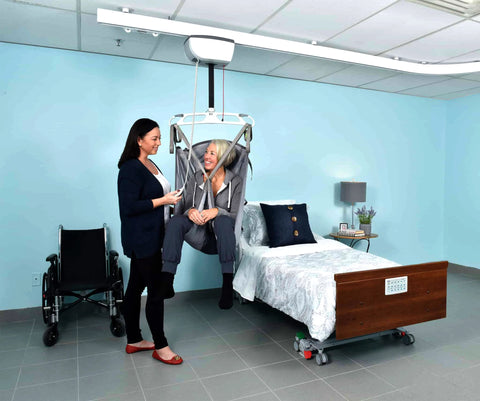
When it comes to providing care for individuals with mobility challenges, ceiling lifts are an invaluable tool. These devices offer a safe and efficient way to transfer people from one place to another, reducing the risk of injury for both the caregiver and the person being moved. However, with various models and features available on the market, choosing the right ceiling lift can be overwhelming. Here are some essential factors to consider when purchasing a ceiling lift to ensure you make the best decision for your unique needs.
Contents
1. Weight Capacity
One of the most crucial aspects to consider when buying a ceiling lift is its weight capacity. Ceiling lifts come in different weight ratings, ranging from 200 lbs to 1,000 lbs or more. It’s essential to know the weight of the person being lifted and any potential equipment they may use to ensure the lift’s capacity is sufficient.
2. Track System
Ceiling lifts operate on track systems that guide their movement. There are various track configurations available, such as straight tracks, curved tracks, and X-Y systems that can cover multiple areas. The choice of track system depends on the layout of the space and the transfer requirements. A professional evaluation of the environment can help determine the best track layout for your needs.
3. Installation and Portability
Consider whether you need a permanent installation or a portable lift that can be easily moved between rooms or locations. Permanent installations provide maximum stability and convenience in specific settings, while portable lifts offer flexibility and versatility for caregivers on the go.
4. Power Source
Ceiling lifts can be powered by electricity or batteries. Electric-powered lifts are typically more robust and suitable for heavy-duty use, while battery-powered lifts offer the advantage of continued operation during power outages. Each type has its advantages, so consider your specific circumstances and preferences.
5. Safety Features
Safety should always be a top priority. Look for ceiling lifts with features such as emergency lowering functions, overload protection, slack strap sensors, and anti-entrapment mechanisms. These safety features ensure that the user is protected during transfers, providing peace of mind for both the caregiver and the individual being lifted.
6. Ease of Use
A ceiling lift should be user-friendly for caregivers to operate efficiently. Look for lifts with intuitive controls, smooth movement, and easy-to-attach slings. Proper training should also be provided to caregivers to ensure safe and comfortable transfers.
If you’re looking to buy ceiling lifts or for more information about different models, features, and types of ceiling lifts available, don’t hesitate to contact a reputable ceiling lift supplier. They can offer personalized guidance and recommendations to ensure you find the perfect solution for your mobility and caregiving needs.