The Transformative Power of Naturopathic Medicine: A Whole-Person Approach to Healing
Introduction
In today’s fast-paced healthcare environment, where appointments often last just minutes and treatments focus primarily on symptom management, naturopathic medicine offers a refreshing alternative. This holistic system of healthcare emphasizes prevention, natural healing modalities, and addressing the root causes of illness. At its core, naturopathic medicine is about partnership – practitioners work collaboratively with patients to create patient-centered naturopathy plans that honor individual needs and health goals. Whether you’re seeking personalized naturopathic care for a specific condition or looking to optimize your overall well being, this approach combines traditional healing wisdom with modern scientific understanding.
The growing popularity of naturopathic medicine reflects a broader shift in healthcare consciousness. Patients are increasingly seeking treatments that align with their values, address their unique biochemistry, and empower them to take an active role in their healing journey. This comprehensive guide will explore the principles, benefits, and applications of naturopathic medicine, helping you understand how this whole-person approach can transform your health and vitality.
The Philosophy of Patient-Centered Naturopathy
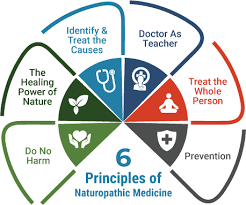
Patient-centered naturopathy represents a fundamental shift from the disease-focused model of conventional medicine to a wellness-oriented approach that views each individual as a complete, interconnected system. This philosophy is built on six foundational principles that guide naturopathic practice:
First, the healing power of nature recognizes the body’s inherent ability to heal itself when given the right support. Naturopathic doctors (NDs) work to remove obstacles to healing and facilitate this natural process. Second, the principle of identifying and treating causes encourages practitioners to look beyond symptoms to address underlying imbalances. Third, the “first do no harm” tenet ensures therapies are as non-invasive and gentle as possible while being effective.
The fourth principle – doctor as teacher – emphasizes patient education and empowerment. NDs spend considerable time helping patients understand their health and how to maintain it. Fifth, treating the whole person acknowledges the complex interplay between physical, mental, emotional, genetic, environmental, and social factors that contribute to health. Finally, prevention is prioritized, with proactive strategies to maintain wellness and prevent the progression of disease.
What truly sets patient-centered naturopathy apart is the depth of the practitioner-patient relationship. Initial consultations often last 60-90 minutes, allowing for a thorough exploration of health history, lifestyle factors, and personal goals. This comprehensive understanding enables the creation of truly individualized treatment plans that address all aspects of a person’s wellbeing.
The Naturopathic Toolkit: Evidence-Based Natural Therapies
Naturopathic doctors employ a diverse range of therapeutic modalities, each selected based on the patient’s unique needs. Clinical nutrition forms a cornerstone of treatment, with dietary recommendations tailored to support specific health conditions while considering food sensitivities, nutritional deficiencies, and metabolic individuality. Many NDs utilize advanced functional testing to identify biochemical imbalances that may be contributing to symptoms.
Botanical medicine offers another powerful tool, using plant-based remedies that often have fewer side effects than pharmaceuticals while providing significant therapeutic benefits. Modern research continues to validate traditional herbal knowledge while expanding our understanding of plant compounds’ mechanisms of action. Homeopathy, another gentle yet effective modality, works by stimulating the body’s self-healing responses using highly diluted natural substances.
Physical medicine approaches may include hydrotherapy (the therapeutic use of water), therapeutic massage, or naturopathic manipulative therapy. Many NDs are also trained in acupuncture and traditional Chinese medicine techniques. Lifestyle counseling addresses crucial factors like sleep hygiene, stress management, and movement practices – all essential components of sustainable health.
Conditions That Respond Well to Naturopathic Care
Naturopathic medicine demonstrates particular effectiveness in managing chronic conditions that often prove challenging in conventional settings. Digestive disorders like irritable bowel syndrome (IBS), small intestinal bacterial overgrowth (SIBO), and inflammatory bowel diseases frequently improve with naturopathic interventions that may include elimination diets, gut-healing protocols, and targeted probiotic therapy.
Hormonal imbalances represent another area of naturopathic expertise. Conditions like polycystic ovarian syndrome (PCOS), thyroid disorders, and menopausal symptoms often respond well to natural approaches that support endocrine function without the side effects of pharmaceutical interventions. Naturopathic strategies for these conditions typically combine nutritional support, herbal medicine, and lifestyle modifications.
Mental health concerns including anxiety, depression, and insomnia also benefit from naturopathic care’s holistic perspective. Treatment plans might address nutritional deficiencies that impact neurotransmitter production, incorporate adaptogenic herbs to support adrenal function, and include mind-body techniques to regulate the nervous system. Autoimmune conditions, metabolic disorders like diabetes, and chronic fatigue are additional areas where naturopathic medicine offers valuable therapeutic options.
The Advantages of Personalized Naturopathic Care
Personalized naturopathic care represents the pinnacle of individualized medicine, where treatment plans are crafted based on a person’s unique genetic makeup, health history, lifestyle factors, and personal preferences. This approach begins with comprehensive assessment tools that may include detailed health questionnaires, specialized laboratory testing, and thorough physical examinations.
One hallmark of personalized naturopathic care is the use of cutting-edge functional medicine testing to uncover hidden imbalances. These might include comprehensive stool analysis for gut health, advanced hormone testing, food sensitivity panels, or genetic testing to understand individual detoxification capacities. The resulting data allows for precise, targeted interventions rather than guesswork.
Nutritional protocols in personalized care go beyond general healthy eating advice. They may involve nutrigenomic recommendations based on genetic variants, customized supplement regimens to address specific deficiencies, and meal plans designed around individual metabolic types. Herbal prescriptions are similarly tailored, with formulas adjusted for a person’s constitution, current symptoms, and treatment goals.
The personalization extends to lifestyle recommendations as well. An ND might suggest specific forms of exercise based on a patient’s body type and energy levels, stress reduction techniques suited to their personality, and sleep optimization strategies tailored to their circadian rhythms. This degree of customization leads to higher compliance and better outcomes, as the plan fits seamlessly into the patient’s life rather than requiring drastic, unsustainable changes.
Integrating Naturopathic and Conventional Medicine
The most effective healthcare often comes from combining the strengths of both naturopathic and conventional approaches. Many patients find that naturopathic care enhances their conventional treatments, helping to mitigate side effects and improve outcomes. For example, cancer patients might use naturopathic support to manage chemotherapy side effects, maintain nutritional status, and support immune function during treatment.
In chronic disease management, this integrative approach can be particularly powerful. A patient with type 2 diabetes might work with both an endocrinologist for medication management and an ND for dietary strategies, stress reduction techniques, and supplements to improve insulin sensitivity. Similarly, those with autoimmune conditions often benefit from conventional immunosuppressants alongside naturopathic protocols to heal gut permeability and reduce inflammation.
This collaborative model requires open communication between healthcare providers. Many forward-thinking medical centers now include naturopathic doctors in their teams, recognizing the value they bring to comprehensive patient care. Patients should always inform all their providers about any treatments they’re receiving to ensure safe, coordinated care.
Choosing a Qualified Naturopathic Practitioner
Selecting the right naturopathic doctor is crucial for receiving safe, effective care. In regulated regions, look for practitioners who have graduated from accredited naturopathic medical schools and are licensed by the appropriate regulatory bodies. These professionals have completed rigorous training comparable in length to conventional medical school, with additional focus on natural therapies.
When evaluating potential NDs, consider their areas of specialization. Some focus on women’s health, others on gastrointestinal disorders or environmental medicine. Review their approach to care – the best practitioners will spend time listening to your concerns, explaining their recommendations clearly, and involving you in decision-making. Many offer free introductory consultations, which can help you assess whether their philosophy aligns with your needs.
Practical considerations include location, availability, and payment options. While some insurance plans cover naturopathic care, others may require out-of-pocket payment. Some NDs offer sliding scale fees or package pricing for ongoing care. Regardless of these logistical factors, the most important consideration is finding a practitioner with whom you feel comfortable and confident.
Conclusion
Naturopathic medicine offers a profoundly different approach to health and healing – one that honors the body’s innate wisdom while utilizing both traditional healing arts and modern scientific understanding. Whether through patient-centered naturopathy that places you at the heart of your care or personalized naturopathic care tailored to your unique biochemistry and life circumstances, this system of medicine empowers individuals to take an active role in their wellbeing.
In a world where chronic disease rates continue to rise and many feel disillusioned with quick-fix approaches, naturopathic medicine provides a path to sustainable health. By addressing root causes, supporting the body’s natural healing processes, and creating individualized roadmaps to wellness, naturopathic doctors help patients achieve not just the absence of disease, but vibrant, optimal health. If you’re ready for healthcare that treats you as a whole person rather than a collection of symptoms, naturopathic medicine may be the missing piece in your wellness journey.