The Therapeutic Efficacy of Resistance Bands in Rehabilitation
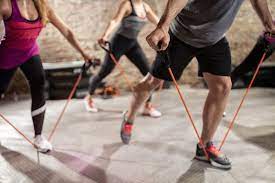
Rehabilitation is a crucial aspect of healthcare, aiming to restore and enhance physical function following injury or illness. Traditional rehabilitation methods often involve resistance training with free weights or machines, but resistance bands have gained significant recognition for their effectiveness in this context. This article delves into the reasons why resistance bands are an excellent tool for rehabilitation, offering a versatile and safe approach to rebuilding strength, flexibility, and overall function.
- Gradual Progression and Customization:
One of the primary advantages of resistance bands in rehabilitation is the ability to provide gradual progression. Unlike traditional weights that may have fixed increments, resistance bands offer a continuum of resistance levels. This feature allows healthcare professionals to tailor exercises precisely to an individual’s abilities, ensuring a gradual and safe progression as the patient advances through their rehabilitation journey.
- Variable Resistance:
Resistance bands provide variable resistance, meaning the tension increases as the band is stretched. This mimics the natural strength curve of many movements, offering a more biomechanically sound approach to rehabilitation. This variable resistance is particularly beneficial for patients who may struggle with specific portions of a movement, allowing them to focus on strengthening the entire range of motion.
- Joint-Friendly:
Traditional resistance training can sometimes place excessive stress on joints, especially in the early stages of rehabilitation. Resistance bands, however, are inherently joint-friendly. They distribute the force evenly throughout the movement, reducing the risk of strain or injury to joints. This characteristic makes resistance bands an ideal choice for individuals with joint concerns or those recovering from surgeries like knee replacements.
- Functional Movement Patterns:
Rehabilitation often involves the retraining of functional movement patterns. Resistance bands enable users to engage in exercises that mimic real-world movements, promoting the development of strength and stability that directly translates to daily activities. This functional approach is vital for individuals looking to regain independence and return to their normal routines.
- Isolation of Specific Muscle Groups:
Resistance bands allow for the isolation of specific muscle groups, facilitating targeted rehabilitation efforts. Patients can focus on strengthening particular muscles without overburdening surrounding areas, helping to correct muscle imbalances that may have developed during the recovery process.
- Enhanced Stability and Balance:
Many rehabilitation exercises with resistance bands require active stabilization, engaging the core and smaller stabilizing muscles. This not only promotes overall stability but also enhances balance, a crucial factor in preventing falls – a common concern for individuals recovering from injuries or surgeries.
- Safe and Portable:
Resistance bands are a safe and portable rehabilitation tool. They are easy to use at home, making it convenient for patients to adhere to their prescribed exercise routines. Additionally, the risk of injury is minimized as the bands offer resistance without the need for heavy weights or complex machinery.
- Progressive Overload and Muscle Endurance:
Rehabilitation success often depends on the principle of progressive overload. Resistance bands make it simple to implement this principle by allowing patients to gradually increase the intensity of their exercises. Furthermore, the dynamic nature of resistance band exercises promotes muscle endurance, a critical component of overall physical fitness.
- Suitable for All Fitness Levels:
Resistance bands are suitable for individuals of all fitness levels, making them accessible for a wide range of patients. Whether an individual is a beginner in rehabilitation or an advanced athlete recovering from an injury, resistance bands can be adapted to meet specific needs and goals.
- Versatility in Exercise Selection:
The versatility of resistance bands extends to the variety of exercises that can be performed with them. From simple stretches to complex resistance training movements, resistance bands offer an extensive range of exercises that can be tailored to address the unique challenges of each rehabilitation case.
Conclusion:
In conclusion, resistance bands have emerged as a valuable and versatile tool in the realm of rehabilitation. Their ability to provide gradual progression, variable resistance, joint-friendly support, and engagement of functional movement patterns makes them particularly effective in aiding individuals on their journey to recovery. As healthcare professionals continue to explore innovative approaches to rehabilitation, resistance bands stand out as a reliable and accessible option for men and women of all ages.