
The Science of Recoil: Understanding the Impact of Muzzle Features
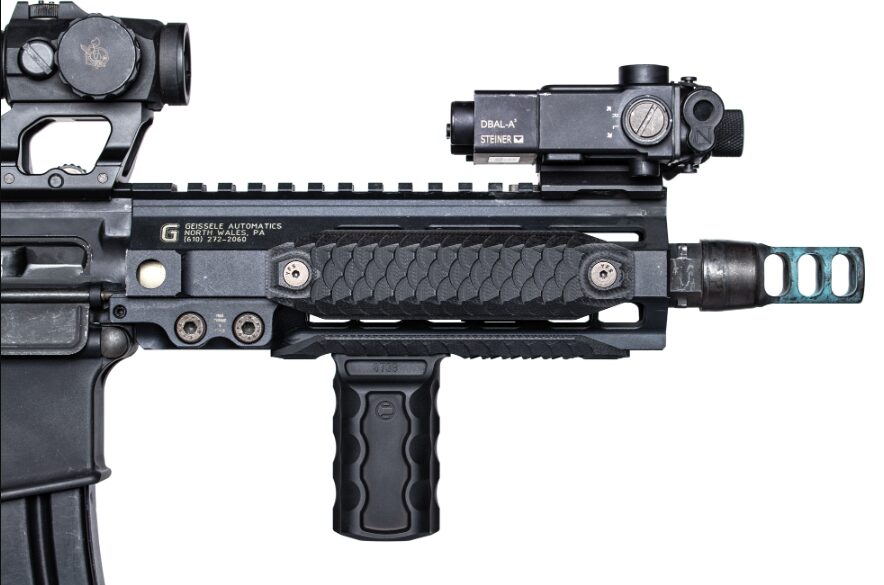
In the dynamic world of firearms, the recoil generated upon firing is a fundamental force that influences both the shooter’s experience and the overall performance of the weapon. The muzzle, specifically its design features, plays a crucial role in managing and mitigating recoil. For instance, innovations in AR muzzles showcase the diverse ways in which muzzle design contributes to a more controlled and enjoyable shooting dynamic. This listicle delves into the intricate science behind recoil and the profound impact of different muzzle features on the shooting experience.
Contents
- 1 Recoil Unveiled: A Force to be Understood
- 2 Muzzle Rise: Taming the Ascension
- 3 Porting and Compensators: Redirecting Forces
- 4 Muzzle Brake: Countering Rearward Forces
- 5 Suppressors: The Stealthy Recoil Managers
- 6 Muzzle Devices: Striking a Balance
- 7 The Shooter’s Perspective: Balancing Act in Recoil Management
- 8 Conclusion:
Recoil Unveiled: A Force to be Understood
Recoil is the backward momentum experienced by a firearm and its user upon firing a round. This force directly results from the equal and opposite reaction to the projectile being expelled from the barrel. While recoil is an inherent aspect of shooting, its management is pivotal for maintaining accuracy, reducing shooter fatigue, and enabling faster follow-up shots.
Understanding the principles of recoil involves recognizing that it is not solely about the backward movement of the firearm but encompasses various factors, including muzzle rise, felt recoil, and the overall energy transferred to the shooter.
Muzzle Rise: Taming the Ascension
Muzzle rise, the upward movement of the firearm’s barrel upon firing, is a critical aspect of recoil management. Different muzzle features contribute to either mitigating or exacerbating this phenomenon.
Porting and Compensators: Redirecting Forces
Porting and compensators are muzzle features designed to redirect and control the forces generated during firing. Porting involves the addition of vents or openings in the muzzle area, allowing gases to escape in specific directions. This redirection counters the upward movement of the muzzle, effectively reducing muzzle rise.
Compensators, on the other hand, are devices attached to the muzzle that utilize expelled gases to counteract the muzzle’s tendency to climb. These features contribute to better control over the firearm and enable quicker target reacquisition for improved accuracy in rapid-fire situations.
Muzzle Brake: Countering Rearward Forces
A muzzle brake is another critical feature designed to manage recoil by countering the rearward forces generated upon firing. Typically featuring a series of baffles or expansion chambers, a muzzle brake redirects gases backward and upward, effectively reducing felt recoil. This results in a more comfortable shooting experience, particularly with high-caliber or powerful firearms.
Muzzle brakes are widely employed in various shooting disciplines, including precision long-range shooting, where recoil management is essential for maintaining accuracy during consecutive shots.
Suppressors: The Stealthy Recoil Managers
While suppressors are primarily known for reducing the noise produced by firing a weapon, they also play a role in recoil management. By capturing and slowing down escaping gases, suppressors contribute to a smoother, more controlled recoil impulse. Shooters often find that suppressed firearms exhibit less muzzle rise and felt recoil compared to their unsuppressed counterparts.
Muzzle Devices: Striking a Balance
Optimal recoil management often involves finding the right balance of muzzle features for a specific firearm and shooting context. Shooters must consider factors such as the type of ammunition used, the intended shooting distance, and personal preferences to select the most effective combination of muzzle devices.
Experimentation with different muzzle brakes, compensators, and suppressors allows shooters to fine-tune their firearms to meet individual needs. It’s not just about reducing recoil; it’s about tailoring the shooting experience to enhance comfort, control, and overall performance.
The Shooter’s Perspective: Balancing Act in Recoil Management
From the shooter’s perspective, the impact of various muzzle features on recoil is a dynamic interplay between physics, firearm design, and personal preferences. The choice of muzzle devices is often a matter of trade-offs, as certain features may excel in specific aspects while presenting challenges in others.
Shooters aiming for precision may prioritize muzzle devices that minimize muzzle rise, enabling quick target reacquisition. In contrast, those seeking a more comfortable shooting experience may opt for suppressors that reduce recoil and offer the added benefit of noise reduction.
Conclusion:
Understanding the science of recoil is a key step toward mastering the symphony of forces at play. Muzzle features emerge as pivotal components in this intricate dance, offering shooters the means to tailor their firearms for optimal performance. Whether it’s taming muzzle rise with compensators, countering rearward forces with brakes, or enjoying the dual benefits of suppressors, innovations in AR muzzles exemplify the ongoing evolution of firearm technology, providing shooters with versatile options to enhance their shooting experience.
As shooters continue to explore the science behind recoil, the quest for the perfect balance of muzzle features becomes a journey of discovery and refinement. Ultimately, mastering recoil is not just a technical achievement but an art, where the fusion of design, physics, and individual preferences creates a harmonious shooting experience that is as comfortable as it is precise.


