The Science Behind Microdermabrasion’s Effectiveness on Acne Scars
Acne scars are more than just a skin issue; they carry a weight that can significantly impact an individual’s self-esteem and confidence. These scars often serve as lingering reminders of past acne breakouts and can vary widely in their appearance and severity.
Seeking solutions for minimizing the look of marks leads many to explore skin rejuvenation methods. One increasingly favored option is microdermabrasion. This non-surgical procedure gently refines skin texture and tone.
It has developed a reputation for effectively addressing various skin issues without extensive downtime. This article examines the science of how microdermabrasion can lessen the appearance of acne scarring on a microscopic level.
Contents
- 1 Understanding Acne Scars: How Acne Scars Form
- 2 What is Microdermabrasion?
- 3 The Science Behind Microdermabrasion
- 4 The Role of Exfoliation in Skin Regeneration and Scar Treatment
- 5 What to Expect During a Microdermabrasion Treatment
- 6 Potential Risks and Considerations
- 7 Importance of Consulting with a Skincare Professional
- 8 Boosting Microdermabrasion’s Impact
- 9 Lifestyle Factors Affecting Healing and Skin Health
- 10 Sustaining Microdermabrasion’s Effects
- 11 Final Thoughts
Understanding Acne Scars: How Acne Scars Form
Following an acne breakout, the body attempts to heal the damage caused by acne. It penetrates deeply into the skin, damaging the tissue beneath it, which results in acne scars.
As the body heals, it produces collagen, which provides support for the skin. If there is too little or too much collagen produced, scarring occurs.
Different Types of Acne Scars
Ice Pick Scars: These are deep, narrow, pitted scars.
Boxcar Scars: Broad, rectangular depressions with steep edges.
Rolling Scars: Broad depressions with a sloping edge, giving the skin a rolling appearance.
Psychological and Emotional Effects
Visible remnants of past breakouts can profoundly impact one’s self-image and confidence. This can further lead to avoiding social situations or struggling with anxiety or low mood. This emotional impact underscores the importance of effective treatments.
What is Microdermabrasion?
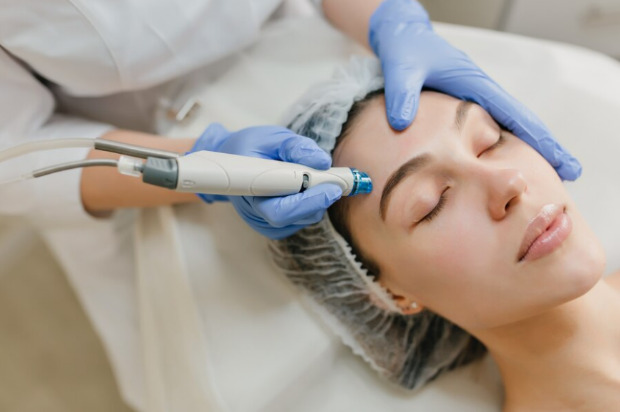
Microdermabrasion is a minimally invasive procedure used to renew overall skin tone and texture. It involves a special applicator with an abrasive surface to gently sand away the thick outer layer of the skin to rejuvenate it.
Types of Microdermabrasion Treatments
Crystal Microdermabrasion: One method involves a manual device that directs tiny crystal particles onto the face for polished exfoliation. These crystals gently polish the skin’s surface.
Diamond-Tip Microdermabrasion: Involves a wand with a diamond-tipped surface that is moved across the skin to exfoliate.
Who Is Microdermabrasion For?
Microdermabrasion is suitable for most skin types when performed properly by an experienced esthetician. However, those with very sensitive skin or conditions like rosacea may need to avoid this treatment or adjust the protocols.
For those in Baltimore, a consultation at Green Relief Health, a medical spa known for its expertise in anti-aging, skincare, and medical weight loss services, is recommended to determine if microdermabrasion is appropriate for your unique skin needs.
The Science Behind Microdermabrasion
As opposed to lasers or peels, microdermabrasion takes a simpler approach to skin renewal that does not require harsh chemicals or invasive beams. This technique uses a wand with an abrasive diamond tip or crystal surface to gently “sand” off the outer layer of skin.
This process of controlled exfoliation reveals fresher skin underneath and stimulates collagen regrowth. It also helps to even out skin texture and tone.
The Role of Exfoliation in Skin Regeneration and Scar Treatment
Exfoliation helps prompt new skin growth, which is vital for acne scars. Microdermabrasion gently sloughs off the superficial layers to reveal fresher skin below. This unveils a more even texture and color, making flaws less obvious.
Studies and Research Supporting the Efficacy of Microdermabrasion
Extensive research supports microdermabrasion’s ability to smooth skin and minimize scarring when performed consistently. Scientific studies verify notable refinements in skin quality, with depressed scars becoming less indented over the course of treatments.
Microdermabrasion for Acne Scars
Effectiveness in Reducing the Appearance of Different Types of Acne Scars
Microdermabrasion is particularly effective for certain types of acne scars, especially those that are superficial, such as rolling or boxcar scars.
Promoting skin turnover and collagen production helps to diminish the visibility of these scars over time.
Comparison with Other Acne Scar Treatments
Unlike chemical peels or laser resurfacing, microdermabrasion offers more superficial exfoliation with minimal adverse reactions for those seeking milder skin refreshing.
What to Expect During a Microdermabrasion Treatment
During a typical session, the treatment area is first cleansed and prepped. The esthetician then moves the microdermabrasion wand across your face and other areas like the neck or hands in smooth, sweeping motions.
There is little to no discomfort associated with the procedure. Sessions usually last around 30-60 minutes.
Aftercare
Following microdermabrasion, proper aftercare can help maximize results. Patients need to be diligent about sun protection and keep skin well-hydrated with gentle, non-irritating moisturizers. Avoiding abrasive products in the days after will allow the treated skin to heal.
Number of Sessions Needed
The number of sessions required for visible results varies, but many individuals see improvements after 5-8 treatments spaced 2-4 weeks apart.
Potential Risks and Considerations
While microdermabrasion is safe for most, some may experience mild side effects like redness, tenderness, or slight swelling, typically subsiding within a few hours.
Contraindications
Those experiencing inflammatory skin issues like acne breakouts, eczema flares or rosacea should use caution with microdermabrasion. People with highly reactive skin may also wish to explore gentler alternatives.
Importance of Consulting with a Skincare Professional
Before undergoing microdermabrasion, consulting with a skincare professional is vital to assess your skin type, condition, and suitability for the treatment. This consultation ensures a safe and effective experience tailored to your specific skin needs.
Boosting Microdermabrasion’s Impact
Customized skincare and supplemental therapies can further enhance the effects of microdermabrasion. Soothing and moisturizing products nourish the skin during its renewal process.
Personalized treatment plans and product selections optimized for your skin ensure you see the fullest possible benefits. A holistic approach promotes healing and reveals your healthiest, smoothest complexion.
Lifestyle Factors Affecting Healing and Skin Health
The healing process and overall skin health are significantly influenced by lifestyle choices. A balanced diet rich in antioxidants, adequate water intake, and avoiding smoking can enhance skin regeneration and healing.
Moreover, minimizing sun exposure and using broad-spectrum sunscreen are crucial to protect the newly exposed skin layers from UV damage.
Sustaining Microdermabrasion’s Effects
To prolong the benefits of microdermabrasion, consistency with skincare is key after treatment. Products that won’t clog pores, ample hydration, and ingredients like retinoids or peptides that nurture the skin can help maintain a refined, youthful appearance. Working closely with your provider creates an optimal routine for your needs and lifestyle.
Final Thoughts
This article reviewed the science supporting microdermabrasion for acne scarring. By accelerating cell turnover and collagen growth, this treatment can reinvigorate skin and reduce visible marks. Outcomes vary, but for many, microdermabrasion offers noticeable improvements with little recovery time required.
While not a cure, gentle exfoliation helps refresh the skin’s appearance and minimize imperfections through its unique process of resurfacing. For some, this non-invasive approach could provide a means to boost confidence without extended procedures or harsh chemicals.
For individuals aiming to improve the appearance of scarring, microdermabrasion offers a subtle approach with little recovery time.
Speaking with a skincare specialist can help determine if this treatment aligns with your objectives and skin type. Their expertise can guide you in choosing the optimal options for your unique needs.