The Revolution of Motor Winding Machines: Transforming Manufacturing Efficiency
Introduction
In the dynamic landscape of manufacturing, innovation constantly drives progress. Among the many inventions that have reshaped industries, motor winding machines stand out as a pivotal development. These machines have not only revolutionized the manufacturing process but also significantly impacted efficiency and cost-effectiveness. In this article, we delve into the transformative role of motor winding machines in the manufacturing industry.
Understanding Motor Winding Machines
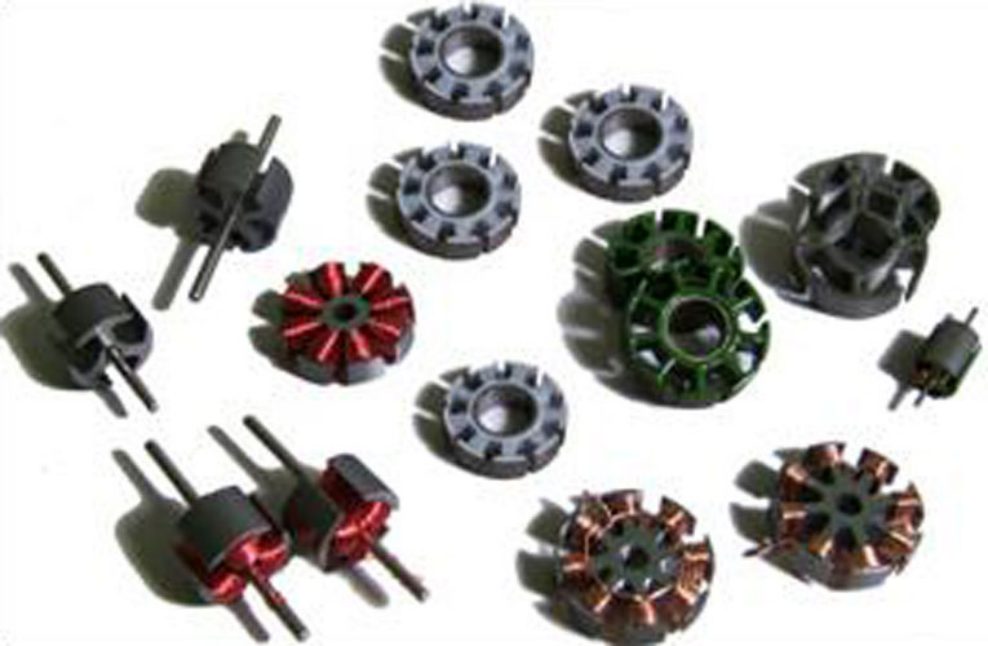
Motor winding machines are sophisticated devices designed to automate the process of winding coils onto various components of electric motors. These machines are equipped with precision tools and mechanisms that enable the precise winding of copper or aluminum wire around motor components such as stators, rotors, and armatures. By automating this crucial aspect of motor production, these machines streamline the manufacturing process, ensuring consistent quality and efficiency.
Evolution of Motor Winding Technology
The development of motor winding machines can be traced back to the early 20th century when the demand for electric motors surged with the rapid industrialization. Initially, winding coils onto motor components was a labor-intensive and time-consuming task, often prone to human error. However, with advancements in technology, particularly in automation and robotics, motor winding machines underwent significant evolution. Modern machines are equipped with advanced features such as programmable controls, servo motors, and computerized winding algorithms, enabling precise and efficient winding operations.
Impact on Manufacturing Efficiency
The introduction of motor winding machine has had a profound impact on manufacturing efficiency. By automating the winding process, these machines eliminate the need for manual labor, reducing production time and costs significantly. Moreover, the precision and consistency achieved by motor winding machines ensure uniform quality across all manufactured components, minimizing defects and rework. As a result, manufacturers can meet production deadlines more effectively and maintain high standards of product quality.
Advantages of Motor Winding Machines
Motor winding machines offer several advantages that contribute to their widespread adoption in the manufacturing industry. Firstly, these machines increase productivity by accelerating the winding process and reducing cycle times. Secondly, they enhance product quality and consistency by eliminating human errors and variations in winding tension. Additionally, motor winding machines require minimal operator intervention, freeing up labor resources for other tasks. Lastly, these machines are highly versatile and can accommodate various types and sizes of motor components, making them suitable for diverse manufacturing applications.
Cost Considerations and ROI
While motor winding machines represent a significant investment for manufacturers, their long-term benefits often outweigh the initial costs. By improving efficiency and productivity, these machines help manufacturers reduce per-unit production costs and achieve higher profit margins. Moreover, the consistent quality and reliability of products produced using motor winding machines contribute to enhanced customer satisfaction and loyalty. Therefore, the return on investment (ROI) associated with motor winding machines is substantial, making them a worthwhile investment for manufacturing companies.
Factors Influencing Motor Winding Machine Price
The price of motor winding machines can vary significantly depending on various factors. Firstly, the complexity and features of the machine, such as automation level, winding capacity, and precision controls, can significantly influence its price. Secondly, the brand reputation and reliability of the manufacturer also play a crucial role in determining the price of motor winding machines. Additionally, market demand, technological advancements, and competition among suppliers can impact pricing dynamics. Therefore, manufacturers should carefully evaluate their requirements and budget constraints when considering the purchase of motor winding machines. Understanding the intricacies of motor winding machine price is essential for making informed investment decisions that align with long-term business goals.
Future Trends and Innovations
Looking ahead, the future of motor winding machines promises further advancements and innovations. With ongoing research and development in automation, robotics, and materials science, future generations of motor winding machines are likely to become even more efficient, versatile, and cost-effective. Emerging trends such as Internet of Things (IoT) integration, artificial intelligence (AI), and predictive maintenance are expected to revolutionize the manufacturing landscape, offering new opportunities for optimization and improvement. As manufacturers continue to prioritize efficiency, quality, and sustainability, motor winding machines will remain indispensable tools in the quest for innovation and competitiveness.
Conclusion
In conclusion, motor winding machines have emerged as a transformative technology in the manufacturing industry, revolutionizing the production of electric motors. By automating the winding process and enhancing efficiency, these machines have enabled manufacturers to achieve higher productivity, lower costs, and superior product quality. Despite the initial investment required, the long-term benefits of motor winding machines make them invaluable assets for manufacturing companies seeking to stay competitive in today’s dynamic market. As technology continues to evolve, the future holds even greater potential for motor winding machines to drive innovation and propel the manufacturing industry forward.