The Psychology of Printed Logos How Colors and Shapes Influence Consumer Perception
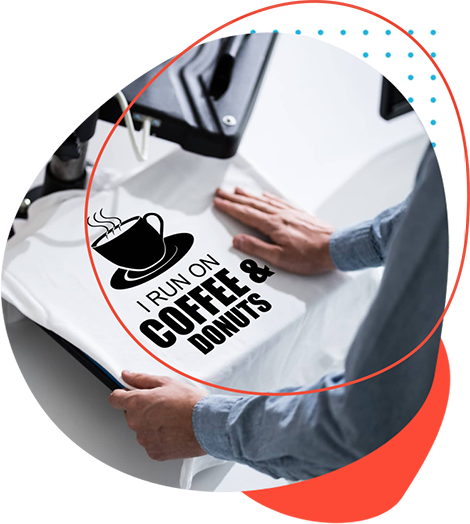
The psychology of printed logos is a fascinating subject that explores how colors and shapes can influence consumer perception. As humans, we are visual creatures, and the design of a logo plays a significant role in how we perceive a brand. When we see a logo, we automatically associate it with the company and form an opinion based on our past experiences and knowledge.
Color psychology
Colors are an essential component of a logo, and they can have a significant impact on how consumers perceive a brand. For example, blue is often associated with trust, loyalty, and professionalism, which is why it is a popular color for banks, insurance companies, and other financial institutions. On the other hand, red is associated with excitement, passion, and energy, making it a popular choice for brands in the food and beverage industry.
- Yellow is associated with happiness, optimism, and warmth, making it a popular choice for brands in the entertainment and leisure industries.
- Green is associated with growth, nature, and health, making it a popular choice for brands in the eco-friendly and health industries.
- Purple is associated with luxury, sophistication, and creativity, making it a popular choice for high-end brands.
- Red is associated with boldness, Passion, and outgoing, which makes it popular for feminine brands.
Shape psychology
Shapes are also an essential aspect of logo design, and they can influence how consumers perceive a brand. For example, a circular logo can convey a sense of unity, continuity, and wholeness, making it a popular choice for brands that want to appear inclusive and trustworthy. A triangular logo can convey a sense of stability, strength, and innovation, making it a popular choice for brands that want to appear cutting-edge and forward-thinking.
- Squares and rectangles are often associated with stability, balance, and reliability, making them a popular choice for brands in the financial and tech industries.
- Organic shapes, such as curves and waves, are often associated with creativity, flexibility, and freedom, making them a popular choice for brands in the arts and entertainment industries.
Typography
The psychology of printed logos goes beyond just colors and shapes, Font choice is also an essential aspect of logo design, as different fonts can convey different emotions and characteristics. For example, serif fonts are often associated with tradition, elegance, and sophistication, making them a popular choice for high-end brands. Sans-serif fonts are often associated with modernity, simplicity, and clarity, making them a popular choice for tech brands.
Conclusion
In conclusion, the psychology of printed logos is a complex and fascinating subject that explores how colors, shapes, and fonts can influence consumer perception. A well-designed logo can convey a brand’s values, personality, and message, while a poorly designed logo can turn consumers off and damage a brand’s reputation. When designing a logo, it is important to consider the target audience and the emotions and characteristics you want to convey. By understanding the psychology of printed logos, brands can create logos that resonate with consumers and help them stand out in a crowded marketplace.