The Importance of Pre-Employment Medicals in Modern Recruitment
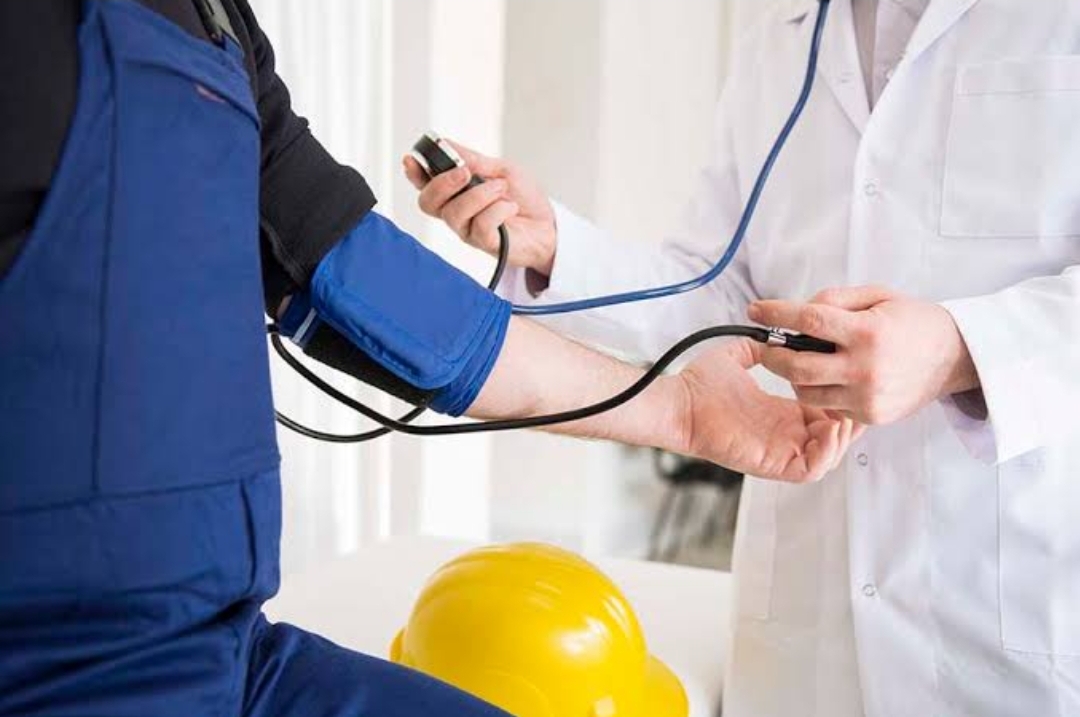
In today’s competitive job market, employers are increasingly looking for ways to ensure they hire the right candidates for their organizations. One method that has gained prominence is the use of pre-employment medicals.
These medical assessments are designed to evaluate a candidate’s physical and mental fitness for a specific job role. This article aims to shed light on the importance of Pre-Employment Medicals, the role of occupational health specialists, and the legal landscape governing these assessments.
What Are Pre-Employment Medicals?
Pre-employment medicals are comprehensive health assessments conducted to determine a candidate’s suitability for a particular job. These assessments often include a range of tests such as vision tests, hearing tests, and sometimes even drug screenings. The objective is to assess whether the candidate is physically and mentally capable of performing the tasks associated with the job they’ve applied for.
Why Are They Important?
1. Workplace Safety
One of the primary reasons many employers opt for pre-employment medicals is to ensure workplace safety. By identifying any potential health risks or limitations a candidate may have, employers can take necessary precautions to either accommodate those needs or consider other candidates who are better suited for the job requirements.
2. Reduced Absenteeism
Pre-employment medicals can also help in reducing absenteeism. By ensuring that the candidates are fit and healthy, employers can minimize the chances of frequent sick leaves, thereby maintaining productivity.
3. Legal Compliance
Employers are obligated to provide a safe working environment. Pre-employment medicals help in fulfilling this requirement by ensuring that all new hires are fit for their roles, thereby reducing the risk of workplace accidents that could lead to legal repercussions.
4. Role of Occupational Health Specialists
Occupational health specialists play a crucial role in the pre-employment medical assessment process. They not only conduct the medical tests but also interpret the results in the context of the job’s requirements. Their expertise ensures that the assessments are conducted in compliance with relevant laws and regulations, adding an extra layer of legal protection for employers.
Legal Considerations
1. Anti-Discrimination Laws
Employers must be cautious to ensure that pre-employment medicals do not discriminate against candidates based on age, gender, or any other protected characteristic. The tests should be relevant to the job requirements and should be applied consistently to all candidates.
2. Confidentiality
The results of pre-employment medicals are confidential and should only be used for the purpose of the recruitment process. Employers must safeguard this information to protect the privacy of the candidates.
Best Practices for Employers
1. Transparency
It’s essential for employers to be transparent about the pre-employment medical process. Candidates should be informed in advance about the types of tests they will undergo and how the information will be used.
2. Use Qualified Professionals
Always use qualified occupational health specialists for conducting pre-employment medicals. This ensures the reliability of the tests and protects the company from potential legal issues.
3. Post-Employment Follow-Up
Pre-employment medicals are just the first step. Employers should also consider periodic health assessments for their staff to ensure ongoing fitness and well-being.
Best Practices for Candidates
Candidates should be honest about their medical history and current health status. This ensures a fair assessment and helps in avoiding any future complications.
1. Know Your Rights
Candidates should be aware of their rights concerning pre-employment medicals. This includes the right to confidentiality and the right to non-discrimination based on the test results.
2. The Future of Pre-Employment Medicals
As technology advances, we can expect pre-employment medicals to become even more sophisticated and comprehensive. From virtual reality simulations to assess a candidate’s ability to handle job-specific tasks, to advanced genetic testing that could predict susceptibility to certain occupational diseases, the future holds exciting possibilities.
However, as these technologies evolve, so will the ethical and legal considerations surrounding their use. It will be crucial for employers, occupational health specialists, and lawmakers to collaborate in ensuring that these advancements benefit everyone involved, without compromising on fairness, privacy, or inclusivity.
Conclusion
Pre-employment medicals have become an integral part of the recruitment process in many industries. They offer numerous benefits to both employers and candidates by ensuring a safe and productive work environment.
However, it’s crucial for both parties to understand the importance of these assessments, the role of occupational health specialists, and the legal implications involved.
By adopting best practices and adhering to legal guidelines, pre-employment medicals can serve as a valuable tool in modern recruitment strategies, benefiting both employers and future employees.