The Future of Learning: Interactive Games and Geometry Education
In a time when technology permeates every aspect of life, education is going through a radical change. One of the most innovative ideas in geometry instruction is the incorporation of interactive games, which have the potential to alter conventional paradigms of learning completely.
This innovative approach not only captivates students’ interest but also enhances their understanding of complex geometric concepts in an engaging and memorable way. Let’s delve into the world of interactive games and their burgeoning role in geometry education, shining a light on a future where learning is about memorization, experience, and engagement.
Contents
The Intersection of Gaming and Education
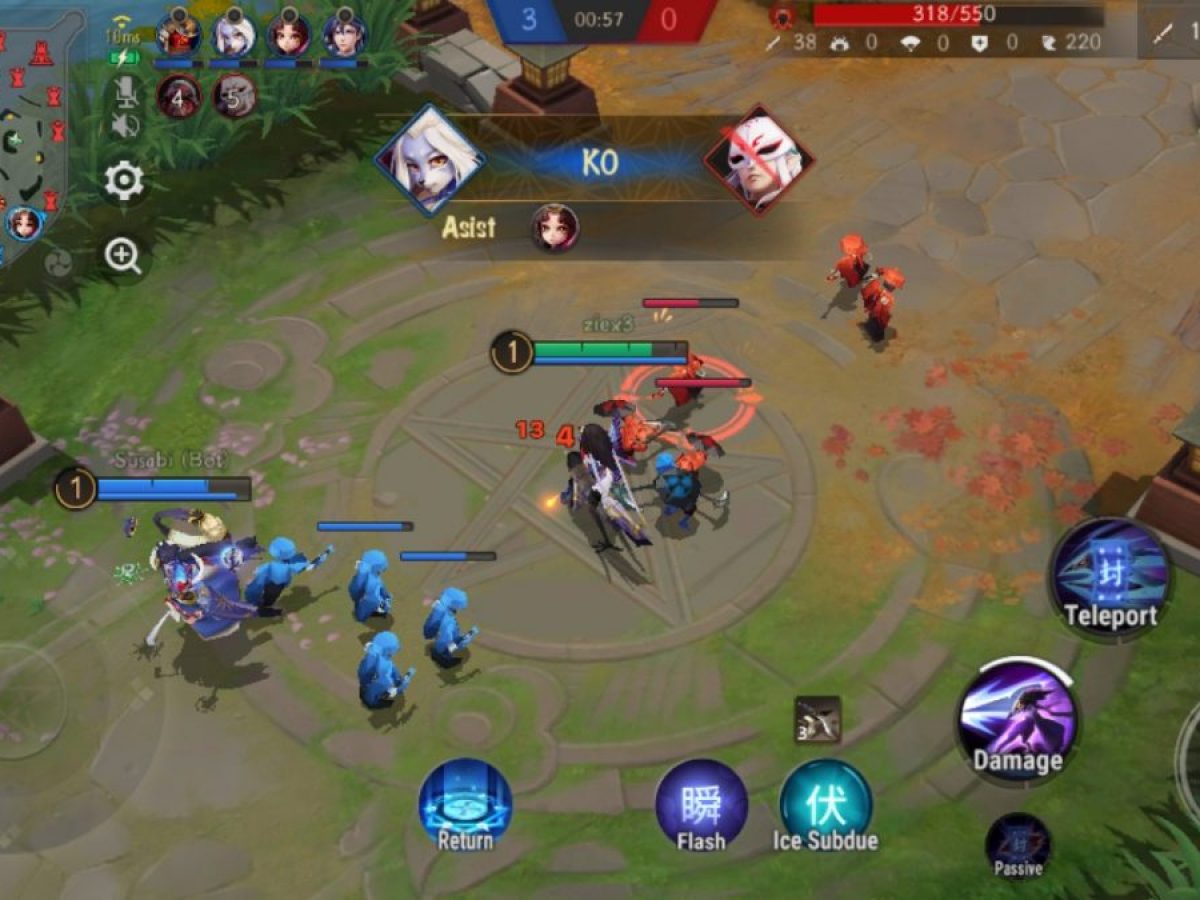
The journey of educational games from simple flashcards to sophisticated interactive platforms mirrors the evolution of technology itself. These games have grown from auxiliary tools to central elements in educational strategies, especially in subjects that benefit from visual and experiential learning, such as geometry. Studies underscore the efficacy of interactive gaming in education, revealing significant improvements in student engagement and comprehension.
This shift towards gamified learning is not just a trend but a response to the digital generation’s learning preferences, marking a new chapter in educational methodologies.
Components of Interactive Geometry Games
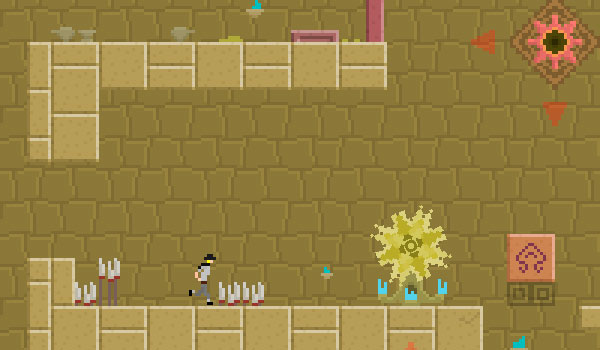
Interactive geometry games are key components that make them exceptionally effective for learning. These include dynamic visualizations that allow students to see geometric shapes and concepts in action, immediate feedback that encourages learners to understand their mistakes and learn actively, and adaptive challenges that cater to individual learning speeds and styles.
Moreover, These elements ensure that students are not just passive recipients of information but active participants in their learning journey, exploring the depths of geometry in a way that textbooks alone could never facilitate.
Benefits of Interactive Games in Geometry Education
Interactive games in geometry education offer a plethora of benefits. They transform abstract geometric principles into tangible experiences, enhancing spatial reasoning and problem-solving skills. Moreover, the gamified elements of these platforms, such as points and levels, motivate students to engage more deeply with the subject matter. These games’ personalized learning experience allows students to progress at their own pace, making difficult concepts more accessible and reducing the frustration often associated with traditional learning methods. A notable platform in this regard is Geometry Spot, which has been instrumental in providing an immersive learning experience for students.
Challenges and Considerations
While the benefits are plentiful, integrating interactive games into the geometry curriculum is challenging. Issues such as equitable access to technology, ensuring the educational quality of games, and managing screen time are significant concerns. However, educators can navigate these challenges by carefully selecting high-quality games like Geometry Spot and implementing balanced learning strategies.
The key is to view interactive games as supplements to traditional teaching methods, enriching the learning experience rather than replacing foundational educational practices.
Emerging Trends and Future Directions
The future of interactive games in geometry education is bright, with emerging technologies like augmented reality (AR) and virtual reality (VR) poised to take the immersive learning experience to new heights. These technologies offer unparalleled opportunities for students to explore geometric concepts in a three-dimensional space, further bridging the gap between theoretical knowledge and practical understanding. As these technologies become more accessible, they will undoubtedly play a pivotal role in shaping the future of geometry education, offering students a window into the geometric dimensions of the world around them.
Implementing Interactive Games in Educational Settings
The journey begins with selecting the right games for educators looking to incorporate interactive games into their teaching arsenal. Criteria such as educational value, engagement level, and alignment with curriculum goals are paramount. Once selected, integrating these games into lesson plans requires a thoughtful approach.
Educators should aim to use games as a complement to traditional teaching methods, providing students with a balanced and comprehensive learning experience. Resources and platforms specializing in geometry, such as Geometry Spot, offer a wealth of options for educators seeking to enrich their geometry curriculum with interactive games.
Final Thoughts
Integrating interactive games into geometry education heralds a new era of learning, where engagement, understanding, and enjoyment go hand in hand. As we look to the future, the potential of these games to transform educational experiences is limitless. By embracing this innovative approach, educators, parents, and policymakers can unlock new possibilities for students, making geometry not just a subject to be learned but a world to be explored. The journey of learning is evolving, and interactive games stand at the forefront of this exciting frontier, promising a brighter future for geometry education.
Interactive games like Geometry Spot are not merely tools for engagement; they are bridges to understanding, offering students a dynamic and interactive way to explore the complexities of geometry. As we continue to navigate the intersection of technology and education, the promise of interactive games in enriching learning experiences is not just a possibility but a reality unfolding before our eyes. In the education landscape, the future is interactive, engaging, and full of potential.