The Art of Canine Massage: Relieving Stress and Tension in Professional Dog Grooming
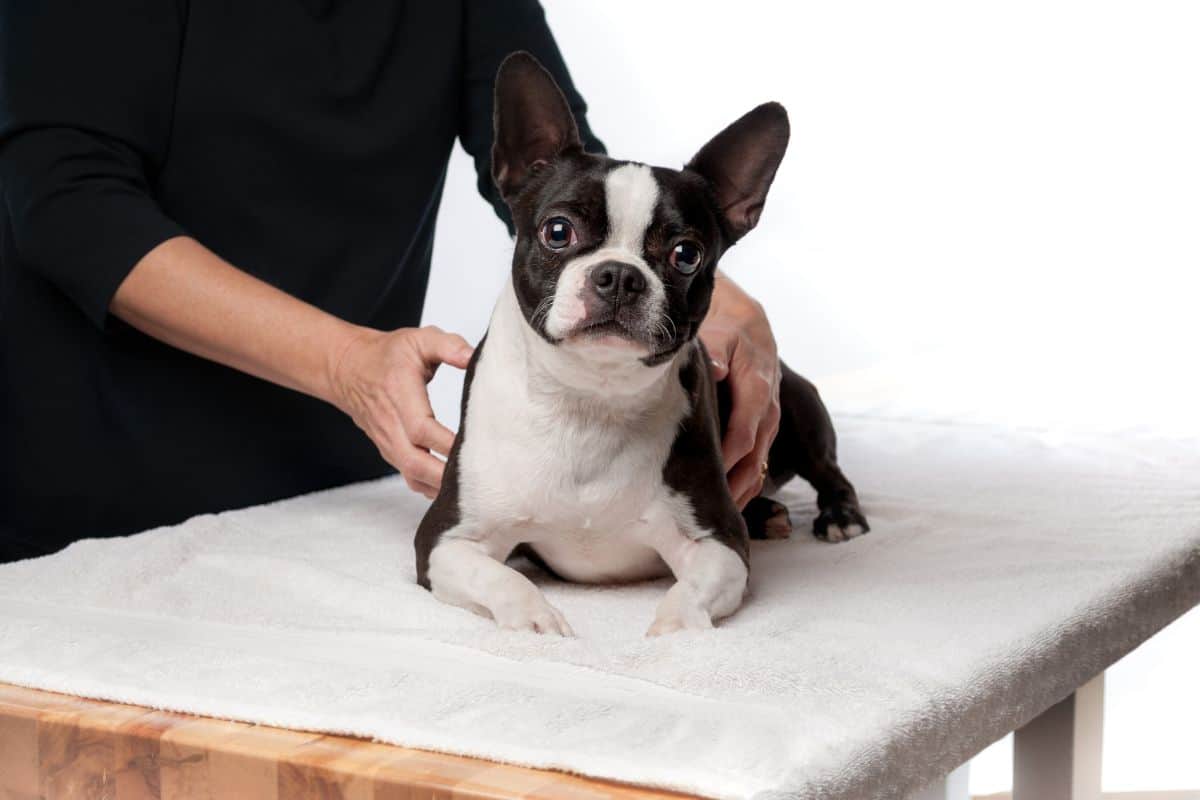
Grooming goes beyond mere aesthetics; it’s about the holistic well-being of our four-legged friends. In the realm of professional dog grooming, the art of canine massage emerges as a powerful tool for promoting physical health, emotional balance, and overall relaxation. In this comprehensive guide, we’ll explore the benefits and techniques of canine massage, emphasizing its role in relieving stress and tension to create a positive grooming experience.
Contents
Understanding the Benefits of Canine Massage:
Stress Reduction:
- Dogs, like humans, experience stress and anxiety. The grooming process can be particularly stressful for some dogs. Canine massage helps alleviate tension, providing a calming effect that contributes to a more relaxed grooming session.
Improved Circulation:
- Massage enhances blood circulation, promoting the efficient delivery of oxygen and nutrients to cells. Improved circulation aids in the removal of metabolic waste, reducing muscle stiffness and promoting overall well-being.
Pain Management:
- Dogs with arthritis, joint issues, or musculoskeletal problems can benefit from massage as part of their grooming routine. Gentle manipulation of muscles and joints can help manage pain and improve flexibility.
Enhanced Bonding:
- Massage strengthens the bond between the groomer and the dog. It fosters trust and positive associations, creating a grooming experience that is not only physically beneficial but emotionally rewarding.
Canine Massage Techniques for Groomers:
Effleurage (Long Stroking):
- Start with gentle, rhythmic strokes to warm up the muscles and create a sense of relaxation. This technique sets the foundation for the massage session.
Petrissage (Kneading):
- Use kneading motions to gently manipulate the muscles. This technique helps release tension, improve circulation, and provide a comforting sensation for the dog.
Compression:
- Apply gentle pressure to specific areas, such as the shoulders, neck, and hindquarters. Compression helps release trigger points and can be particularly effective for dogs with muscle tightness.
Range of Motion:
- Gently move the dog’s limbs through their natural range of motion. This technique promotes flexibility, reduces stiffness, and can be beneficial for dogs with joint issues.
Acupressure Points:
- Learn and apply acupressure techniques to specific points on the dog’s body. This ancient practice can help balance energy, alleviate pain, and enhance overall well-being.
Incorporating Canine Massage into Grooming Sessions:
Pre-Grooming Assessment:
- Before starting the grooming session, assess the dog’s body condition and identify any areas of tension or sensitivity. Tailor the massage techniques based on the individual needs of each dog.
Gradual Introduction:
- For dogs new to massage, introduce the practice gradually. Start with short sessions and observe the dog’s response. Over time, most dogs become accustomed to and even enjoy the massage experience.
Use of Calming Techniques:
- Combine massage with calming techniques, such as soft music, aromatherapy, or gentle grooming movements. Creating a serene environment enhances the effectiveness of the massage.
Positive Reinforcement:
- Use positive reinforcement, such as treats or verbal praise, to reward the dog during and after the massage. This positive association encourages dogs to view the grooming experience as enjoyable.
Buy wholesale dog supplies from Pride & Groom Pro
Professional Development and Certification:
Advanced Training:
- Consider pursuing advanced training in canine massage techniques. Various professional organizations offer courses that provide in-depth knowledge and hands-on experience.
Certification Programs:
- Obtaining certification in canine massage adds credibility to grooming services. Certified groomers with expertise in massage are sought after by pet owners who prioritize their dog’s well-being.
Conclusion:
The art of canine massage is a valuable addition to the toolkit of professional dog groomers. Beyond the aesthetic aspects of grooming, the incorporation of massage techniques contributes to the physical and emotional health of dogs. By understanding the benefits, mastering the techniques, and creating a positive environment, groomers can elevate their services, enhance the well-being of their canine clients, and establish lasting bonds based on trust and relaxation. As the grooming industry evolves, embracing holistic practices like canine massage reflects a commitment to comprehensive care and a deep understanding of the unique needs of our beloved furry companions.