Telehealth Trends: How Technology is Changing Care
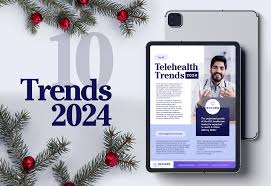
Telehealth isn’t just a buzzword; it’s a revolution in healthcare. Over the past few years, particularly accelerated by the COVID-19 pandemic, telehealth has transformed from a convenient option into a fundamental part of our healthcare system. But what exactly is telehealth, and how is it reshaping the way we receive care? Let’s explore the latest trends in telehealth and how they’re making healthcare more accessible, efficient, and personalized.
Contents
Expanding Access to Care
One of the most significant benefits of telehealth is its ability to break down geographical barriers. For many, especially those living in rural or underserved areas, access to healthcare has always been a challenge. Telehealth changes that by allowing patients to connect with healthcare providers from anywhere with an internet connection. Whether you’re in a remote village or a bustling city, telehealth ensures that medical care is just a video call away.
This expansion of access is particularly crucial for specialized care. Imagine living in a small town where the nearest specialist is hours away. With telehealth, you can consult with top experts in their fields without ever leaving your home. This not only saves time and travel expenses but also ensures that you’re receiving the best possible care, no matter where you live.
Convenience Meets Quality
Telehealth isn’t just about making healthcare more accessible; it’s also about making it more convenient. Gone are the days of sitting in a waiting room for hours or taking time off work for a routine check-up. With telehealth, you can schedule appointments that fit into your life, not the other way around. Need a quick consultation during your lunch break? No problem. Telehealth adapts to your schedule, making it easier to stay on top of your health.
But does convenience come at the cost of quality? Not at all. In fact, many patients find that telehealth appointments are just as thorough, if not more so, than in-person visits. Providers can spend more focused time with patients, and with the aid of electronic health records, they have instant access to your medical history. This combination of convenience and quality is why telehealth is becoming a preferred option for so many.
The Rise of Remote Monitoring
Another trend that’s gaining momentum is remote patient monitoring. This involves using wearable devices and other technology to track your health metrics in real-time, which your healthcare provider can monitor remotely. For chronic conditions like diabetes, hypertension, or heart disease, this kind of continuous monitoring is a game-changer. It allows for more proactive care, catching potential issues before they become serious problems.
For example, if you have high blood pressure, a wearable device can monitor your levels throughout the day. If it detects a concerning trend, your healthcare provider can intervene early, possibly adjusting your treatment plan or providing guidance on lifestyle changes. This kind of proactive care leads to better outcomes and a higher quality of life.
Personalized Care Plans
Personalization is a growing trend across many industries, and healthcare is no exception. Telehealth is at the forefront of this shift, offering more personalized care than ever before. By leveraging data from your health records, wearable devices, and even your daily habits, healthcare providers can create tailored care plans that suit your unique needs.
Consider how the Thrive patch plays a role in this personalized approach. According to Thrive Reviews, it delivers personalized nutrition throughout the day, helping providers in keeping their patients healthy without constant visits. This ensures that care plans are continuously utilized, leading to better patient outcomes. The integration of patient reviews into the telehealth model underscores the importance of listening to patients and adapting care to meet their needs.
The Future of Telehealth
The future of telehealth looks bright, with continued advancements in technology and increasing acceptance among both providers and patients. We’re likely to see more integration with AI, making diagnostics and treatment recommendations even more accurate. Virtual reality might also play a role, offering immersive experiences for therapy or rehabilitation.
As telehealth continues to evolve, it’s clear that it’s not just a temporary solution but a permanent fixture in the healthcare landscape. It offers a level of flexibility, accessibility, and personalization that traditional healthcare simply can’t match. For anyone looking to improve their health knowledge, strategies, and outcomes, embracing telehealth is a step in the right direction.
In a world where technology is rapidly changing how we live, telehealth is proof that these changes can have a profound and positive impact on our well-being. So, whether you’re new to telehealth or a seasoned user, there’s no better time to explore the benefits it offers.