Soy Beyond Borders: Exploring the Global Influence of a Versatile Crop
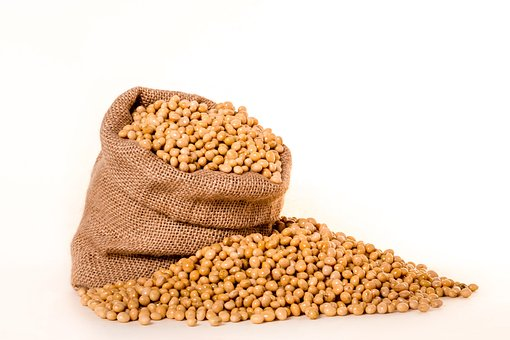
Soybean is a leguminous crop that is native to East Asia. It is a versatile crop whose cultivation and trade can be traced back to the 11th century when the crops were first grown in China. Soybean popularity and production have grown over the years, and today it is one of the most grown crops globally and is widely used in the human food, animal feed, and pharmaceutical industries.
Thanks to its unique nutritional value and health benefits, soybeans are a popular choice among health-conscious consumers today. The soybean industry also offers employment to millions globally, contributing to the global economy and generating billions of dollars in revenue yearly.
To understand the global influence of sustainable soy production, this article will look into the history, production, trade, and impact of soybean production in our daily lives. So, let’s get started!
Contents
The Origin of Soy
The history of soy dates back to the 11th century when it was first cultivated in China. Soy was primarily used as a protein source among vegetarians and as a medicinal plant, treating various ailments. Due to its ability to fix nitrogen in the soil, soy was also used in crop rotation practices to enrich the soil.
As the cultivation and use of soy gained popularity, soy production spread to neighboring countries like Japan and Korea, where it was used to make various traditional dishes such as soy sauce, tofu, and soybean paste. Today, soy is an excellent source of protein among vegans and is used to make miso soup and other soy-based dishes.
From Asia, soy cultivation began to spread its tentacles to the Western world in the 18th century, primarily as a decorative plant. It is believed that the first soy seeds were brought to Europe by a Dutch ambassador to China in the early 1700s. However, it is until the 1800s that active cultivation of soy began in Europe and the United States.
Initially, soy production in the western country was primarily meant for animal feed. However, as industrialization began in the late 19th and early 20th centuries, soy cultivation and production took a different turn. They began to be used in various industrial applications such as human food production and oil and lubricant production. This led to a boom in soybean cultivation, particularly in the US, making soy one of the most versatile crops worldwide.
Today, soy is one of the most produced crops in the world, with an estimated 380 million metric tons produced in 2022. It is cultivated in many countries globally, with the United States, Brazil, and Argentina being the largest producers. Unlike the early centuries when it was first discovered, soy is today used in making various food products such as tofu, soil milk, soy sauce, soy oil, and several other processed human and animal feed. It is also increasingly becoming a great source of biofuels and industrial products like lubricants.
Soybean Production and Trade Worldwide
There is no doubt that soybean is one of the world’s most produced crops. Since its discovery in the 11th century, soy has become a vital commodity grown and traded extensively in most countries. Due to versatility, soybean production, cultivation, and trade increasingly significantly improve the global economy, thanks to the large market opportunities worldwide.
Some of the top soy producers in the world include The United States, Brazil, China, Argentina, and India. Together, these countries account for about 90 percent of the soy produced globally. Soy and soybean products are also exported to other countries, including the European Union, China, and some African countries, with Mexico and China being the major soy importers.
As the demand for soy and soy-based products continues to grow, soybean production and trade continue to play a significant role in the global economy, contributing to job creation and economic progress in both producing and importing countries. For instance, soybean production and exportation is a significant economic contributor in Brazil, Argentina, China, and The United States, generating billions of dollars in revenue yearly. Besides revenue, the soybean industry also employs millions of people, from farmers to farm laborers to port workers and truck drivers.
Despite the growth of soy production and trade, soybean cultivation has been associated with serious environmental concerns such as degradation and deforestation. Clearing land to allow soybean cultivation has adversely affected the natural forests and habitats, leading to the loss of the ecosystem and biodiversity. In The United States, for instance, the large section of the Amazon Rainforests that has been cleared for soybean cultivation has negatively affected the ecosystem and biodiversity in the forest.
Soy and the Global Food System
As various parts of the world continue to face food shortages for both humans and animals, soy has proved to be a vital component of the global food system due to its versatility and many associated health benefits. Soy is a cost-effective, nutritious, and sustainable solution for addressing food insecurity worldwide.
Soy is an invaluable source of protein, fiber, vitamins, and minerals, making it a versatile ingredient in many soy-based processed foods such as soy milk and meat alternatives such as tofu. It is increasingly becoming popular among vegans, people who are allergic to animal proteins, and people looking for healthier plant-based protein alternatives.
Besides being a significant ingredient in human processed food, soybeans, and its byproducts play a crucial role in animal feed production. Soybean meals are widely used in the formulation of animal and bird feeds such as pigs, cows, and chickens. It is an excellent source of protein for animals and birds. Using soy in animal feed production has helped reduce animal agriculture’s environmental impact, as very little land and water is required to produce animal meat.
Future Prospects for Soy
Although soy production is faced with a lot of challenges, there is hope for sustainably producing this versatile crop to ensure minimum effects on the environment. Researchers are working round the clock to come up with measures that will see reduced environmental consequences as a result of soy production. Investors are also looking into the possibility of developing new markets for soy products such as soy meat and biofuels.
Conclusion
Since the beginning of its cultivation in China, the soy crop has come a long way to be one of the most produced crops in the world. It is a vital food component worldwide and a commodity of immense importance. However, despite its expansion as the most sought-after food, its cultivation has numerous environmental and social consequences. As the world seeks to produce more soy in the future, it is essential that we seek sustainable soy production solutions to ensure that we keep the environment safe for the next generation.