
Sensor-Based Monitoring Systems for Real-Time Crop Health Updates: Enhancing Crop Outlook with Data-Driven Precision Agriculture
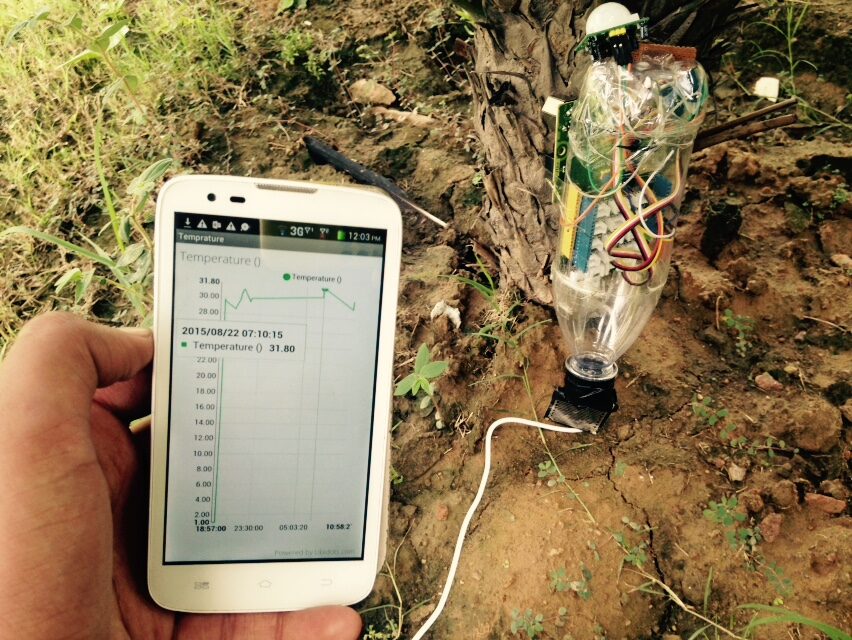
In the dynamic landscape of modern agriculture, farmers are increasingly turning to advanced technologies to monitor and manage crop health in real time. Sensor-based monitoring systems have emerged as powerful tools that provide farmers with accurate and timely information about the condition of their crops. From detecting early signs of stress to optimizing irrigation and nutrient management, these systems offer invaluable insights for making informed decisions. This article explores the capabilities, benefits, and impact of sensor-based monitoring systems on enhancing crop outlook through data-driven precision agriculture.
Understanding Sensor-Based Monitoring Systems
Sensor-based monitoring systems consist of an array of sensors deployed in the field to collect data on various parameters related to crop health. These sensors can measure factors such as soil moisture levels, temperature, humidity, light intensity, leaf wetness, and nutrient content. The data collected by these sensors is transmitted wirelessly to a central system, where it is processed and analyzed in real time. Farmers can access this information through mobile apps or web-based platforms, allowing them to monitor the health of their crops remotely.
Key Components of Sensor-Based Systems
1. Soil Moisture Sensors:
Soil moisture plays a crucial role in plant growth and development. Soil moisture sensors measure the water content in the soil, helping farmers determine when and how much to irrigate. Real-time data from these sensors enable farmers to optimize irrigation schedules, prevent waterlogging or drought stress, and promote healthy root development.
2. Weather Stations:
Weather stations integrated into sensor-based systems provide essential meteorological data such as temperature, humidity, wind speed, and rainfall. This data helps farmers understand weather patterns, forecast potential risks such as frost or heat stress, and make informed decisions about crop management practices.
3. Leaf Wetness Sensors:
Leaf wetness sensors measure the duration and intensity of moisture on plant leaves. This information is critical for monitoring the risk of foliar diseases such as powdery mildew or leaf spot. By receiving real-time alerts on leaf wetness levels, farmers can take preventive measures such as adjusting irrigation timing or applying fungicides.
4. Nutrient Sensors:
Nutrient sensors analyze the nutrient levels in the soil or plant tissue, providing insights into the plant’s nutrient status. Farmers can use this information to tailor fertilizer applications, avoid over- or under-fertilization, and ensure optimal nutrient uptake by the crops. Balanced nutrient management leads to improved crop growth, yield, and quality.
Benefits of Sensor-Based Monitoring Systems
1. Enhanced Crop Health:
By providing real-time data on soil moisture, weather conditions, and nutrient levels, sensor-based systems enable farmers to closely monitor crop health. Early detection of stress factors such as drought, disease, or nutrient deficiencies allows for timely interventions, minimizing yield losses and ensuring crop vitality.
2. Precision Irrigation and Water Management:
Optimizing water use is essential for sustainable agriculture. Sensor-based systems help farmers implement precision irrigation practices by delivering water precisely where and when it is needed. This not only conserves water but also reduces energy costs and promotes healthy root growth.
3. Improved Nutrient Management:
Efficient nutrient management is crucial for achieving optimal crop growth and yield. Nutrient sensors provide accurate data on soil fertility levels, allowing farmers to adjust fertilizer applications based on the crop’s requirements. This results in improved nutrient uptake, reduced nutrient runoff, and enhanced soil health.
4. Timely Pest and Disease Management:
Early detection of pests and diseases is critical for preventing outbreaks and minimizing damage to crops. Sensor-based systems provide real-time alerts on factors such as temperature, humidity, and leaf wetness, which are conducive to pest and disease development. Farmers can implement targeted control measures, reducing reliance on chemical pesticides and promoting ecological balance.
5. Data-Driven Decision Making:
One of the most significant advantages of sensor-based systems is their ability to provide actionable insights through data analysis. Farmers can access historical trends, predictive models, and customized recommendations for crop management. This data-driven approach empowers farmers to make informed decisions that maximize productivity, efficiency, and profitability.
Impact on Crop Outlook
The integration of sensor-based monitoring systems into agricultural practices has a profound impact on the crop outlook for farmers. Here’s how:
1. Increased Yield and Quality:
By ensuring optimal growing conditions, timely irrigation, and precise nutrient management, sensor-based systems contribute to increased crop yields and improved quality. Healthy, vigorous plants are more resilient to stress factors and produce higher yields of marketable produce.
2. Cost Savings:
Efficient use of resources such as water, fertilizer, and pesticides leads to significant cost savings for farmers. Precision irrigation reduces water wastage, while targeted nutrient applications minimize fertilizer expenses. Additionally, early pest and disease detection helps avoid crop losses and reduces the need for expensive control measures.
3. Sustainable Agriculture Practices:
Sensor-based monitoring systems promote sustainable agricultural practices by reducing the environmental impact of farming operations. By optimizing resource use, minimizing chemical inputs, and preserving soil health, farmers contribute to long-term environmental sustainability.
4. Market Access and Competitiveness:
High-quality, consistently produced crops command better prices in the market. Farmers using sensor-based systems can meet market demands for traceability, food safety, and environmental stewardship. This enhances their competitiveness and market access, leading to improved profitability and market share.
Case Study: Real-Time Crop Health Monitoring in Action
Case Study:
FarmX, a progressive farm in Maharashtra, India, implemented a sensor-based monitoring system for its cotton crop during the Kharif season. Soil moisture sensors, weather stations, and leaf wetness sensors were deployed across the field to provide real-time data on crop health.
Benefits:
– Precision Irrigation: The system helped optimize irrigation schedules based on soil moisture levels, leading to water savings of up to 30%.
– Disease Prevention: Early warnings on leaf wetness levels enabled timely fungicide applications, preventing the outbreak of cotton leaf spot disease.
– Yield Increase: By ensuring optimal growing conditions, the farm achieved a 20% increase in cotton yield compared to the previous season.
Conclusion:
In conclusion, sensor-based monitoring systems are revolutionizing crop health management and enhancing the crop outlook for farmers. These systems offer a wealth of benefits, from precise irrigation and nutrient management to early pest and disease detection. By harnessing the power of real-time data and advanced analytics, farmers can optimize crop production, reduce costs, and promote sustainable agriculture practices. The adoption of sensor-based systems is crucial for meeting the growing demand for food while minimizing the environmental footprint of agriculture. As technology continues to evolve, the future of monitoring crop health looks promising, with endless possibilities for improving productivity, profitability, and environmental sustainability in agriculture.


