Saving Money and Reducing Your Carbon Footprint with Spray Foam Insulation
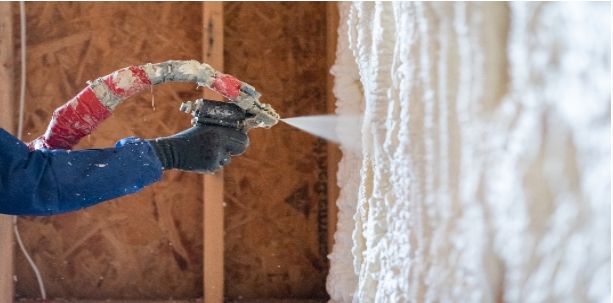
As the world becomes increasingly environmentally conscious, more and more people are looking for ways to reduce their carbon footprint while also saving money. One impactful solution is spray foam insulation.
Not only does it provide excellent insulation for homes and buildings, but it also significantly reduces energy consumption, which in turn lowers greenhouse gas emissions.
The benefits of spray foam insulation and how it can help you save money and reduce your carbon footprint. We’ll take a closer look at the different types of spray foam insulation available, the many advantages it offers over other insulation methods, and how it can help lower your energy bills.
We’ll also address some common misconceptions about spray foam insulation and provide tips on how to choose the right insulation contractor for your project. By the end of this post, you’ll have a clear understanding of how spray foam insulation can help you achieve both financial and environmental goals.
Contents
Cost savings associated with spray foam insulation:
Saving money and reducing your carbon footprint is becoming increasingly important for homeowners and business owners alike. One way to achieve both of these goals is by investing in Spray foam insulation for your property.
Spray foam insulation not only provides superior insulation compared to traditional insulation methods, but it also offers cost savings in the long run. By reducing the amount of air leakage and energy loss in your property, you can significantly lower your heating and cooling bills. In fact, studies have shown that spray foam insulation can reduce energy costs by up to 50% compared to other insulation materials.
The initial cost of installation may be higher than traditional insulation, but the long-term savings on energy bills and the increased value of your property make it a worthwhile investment.
Increase in home energy efficiency:
As we work toward reducing our carbon footprint and saving money, it’s important to consider ways to increase home energy efficiency. One such way is through the use of spray foam insulation.
Properly installed spray foam insulation can significantly reduce heat loss, air leakage, and moisture infiltration. Its high R-value, which is a measure of a material’s ability to resist heat flow, makes it an effective option for insulation.
By reducing energy consumption for heating and cooling, homeowners with spray foam insulation save money on utility bills while reducing their carbon footprint. This method of insulation provides greater thermal performance by reaching every nook and cranny of walls, ceilings, and floors, creating an airtight barrier.
Spray foam insulation also has the added benefit of obstructing moisture, preventing mold and mildew growth, and reducing outdoor noise infiltration. Overall, increasing home energy efficiency is an important step toward a more sustainable future, and using spray foam insulation is a practical way to achieve this goal.
Lower energy bills:
Reducing energy bills is one of the primary benefits of spray foam insulation. When installed correctly, this insulation can create an airtight seal, preventing air leaks that allow heat to escape during winter and enter during summer.
This translates into lower energy consumption by reducing the amount of energy required to maintain a constant temperature indoors.
By utilizing spray foam insulation, homeowners can save up to 50% on their energy bills per year. It is an effective way to reduce your carbon footprint while also saving money in the long run.
Reduction of greenhouse gas emissions:
The reduction of greenhouse gas emissions is a critical global concern that requires prompt and sustained action. Spray foam insulation can play a significant role in helping homeowners and businesses reduce their carbon footprint and contribute to a sustainable future.
Insulation is one of the most effective ways to reduce energy consumption and associated emissions, and spray foam insulation is particularly effective due to its superior air sealing and insulation capabilities.
By reducing energy consumption through improved insulation, businesses and homeowners can save money on utilities, while also playing their part in reducing emissions and mitigating climate change. Spray foam insulation is an investment in both the bottom line and the environment, providing long-term benefits for both.
Improved air quality and soundproofing:
One of the most significant benefits of spray foam insulation is its ability to improve air quality and soundproofing. Due to its ability to create an airtight seal, spray foam insulation prevents outside air, dust, and pollutants from entering the home, thereby improving indoor air quality.
The insulation also helps to minimize noise from outside sources, contributing to a more peaceful and comfortable living environment. Additionally, by reducing the flow of air and minimizing energy waste, spray foam insulation can lead to significant cost savings on heating and cooling bills in the long term.
With these benefits in mind, it’s easy to see why spray foam insulation is becoming an increasingly popular choice for homeowners looking to save money and reduce their carbon footprint.