Safeguarding Your Cables: The Importance of Cabling Guards
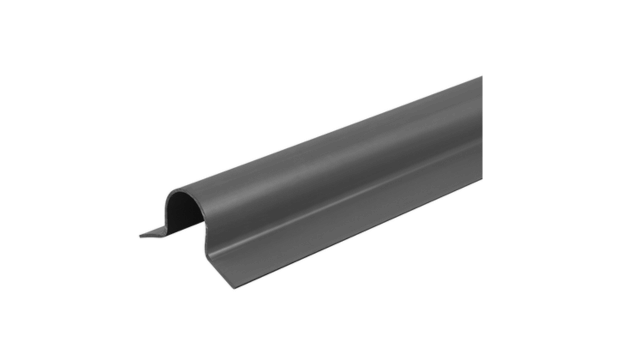
In our increasingly technology-driven world, cables have become an integral part of our daily lives. From power cords to data cables, these essential conduits connect our devices, transmit crucial information, and keep our homes and workplaces functioning. However, with the constant movement of people and equipment, these cables are often exposed to potential hazards that can lead to damage, disruption, and even safety risks. This is where cabling guards step in to play a vital role in protecting your valuable cables and ensuring the smooth operation of your electrical and data systems.
In this comprehensive article, we will explore the importance of cabling guards, their various features and benefits, and why you should consider using a cabling guard to safeguard your cables and maintain a safe and efficient work or living environment.
Understanding the Purpose of Cabling Guards
Cabling guards, also known as cable protection guards or cable trays, are protective devices designed to shield and secure cables in a variety of settings. They serve as a physical barrier, shielding cables from potential hazards and ensuring their safe and organized routing.
The primary purpose of a cabling guard is to prevent damage to cables, which can have far-reaching consequences. Cables can be vulnerable to a range of threats, including:
- Physical Damage: Heavy foot traffic, moving equipment, and accidental impacts can all lead to the crushing or severing of exposed cables, causing disruptions and potential safety issues.
- Environmental Factors: Exposure to moisture, chemicals, or extreme temperatures can degrade the cable insulation, leading to short circuits, electrical malfunctions, and even fire hazards.
- Tripping Hazards: Loose or unprotected cables on the floor can pose a significant tripping risk, potentially causing injuries and liability concerns.
By incorporating cabling guards into your electrical or data infrastructure, you can effectively mitigate these risks and safeguard the integrity of your cables, ensuring reliable and uninterrupted service.
Key Features and Benefits of Cabling Guards
Cabling guards come in a wide variety of designs and materials, each offering unique features and benefits to suit different applications and environments. Let’s explore some of the essential characteristics and advantages of these protective devices:
- Cable Protection: The primary function of a cabling guard is to shield cables from physical damage, such as crushing, cutting, or abrasion. The guards are typically made from durable materials, such as high-impact plastics or metal, to provide a robust barrier against external forces.
- Organized Cable Management: Cabling guards often feature channels, compartments, or trays that help to neatly route and organize cables, reducing the risk of tangles, kinks, or uncontrolled cable placement.
- Tripping Hazard Mitigation: By containing and elevating cables off the floor, cabling guards minimize the potential for tripping hazards, improving the overall safety of the work or living environment.
- Environmental Protection: Some cabling guards are designed to provide additional environmental protection, shielding cables from moisture, dust, chemicals, or extreme temperatures, ensuring the longevity and reliable performance of your electrical and data systems.
- Accessibility and Maintenance: Many cabling guards are designed with features that enhance accessibility and ease of maintenance, such as removable covers or modular components, allowing for quick and efficient cable inspections, repairs, or modifications.
- Aesthetics and Branding: Cabling guards can also contribute to the overall aesthetic appeal of a space, with some models offering customizable colors or finishes to complement the surrounding décor. This can be particularly important in professional or high-traffic settings where a clean and organized appearance is desirable.
By incorporating a cabling guard into your electrical or data infrastructure, you can enjoy these critical benefits, ensuring the safety, reliability, and visual appeal of your cables and the overall system.
Selecting the Right Cabling Guard for Your Needs
When choosing a cabling guard, it’s essential to consider the specific requirements and characteristics of your work or living environment. Here are some key factors to evaluate when making your selection:
- Cable Type and Size: Determine the types and sizes of cables you need to protect, and select a cabling guard with the appropriate dimensions and capacity to accommodate them.
- Environmental Conditions: Consider the environmental conditions your cables will be exposed to, such as moisture, chemicals, temperature extremes, or UV exposure, and choose a cabling guard that can provide the necessary level of protection.
- Mounting and Installation: Evaluate the available space and layout of your work or living area, and select a cabling guard that can be easily and securely mounted in the desired location, whether on the floor, wall, or ceiling.
- Load-Bearing Capacity: If you anticipate the need to support heavy or frequent foot traffic, ensure the cabling guard you choose has the necessary load-bearing capacity to withstand the expected weight without compromising the protection of your cables.
- Compliance with Standards: Depending on your location and industry, there may be specific safety standards or regulations regarding the use of cabling guards. Ensure the product you select meets the relevant requirements to maintain compliance and avoid potential issues.
- Aesthetics and Customization: Consider the overall aesthetic of your space and select a cabling guard that complements the existing decor, if desired. Some models offer customizable colors or finishes to better blend with your environment.
By carefully considering these factors, you can select the most appropriate cabling guard for your specific needs, ensuring the optimal protection and management of your cables while also meeting any relevant safety and compliance requirements.
Proper Installation and Maintenance of Cabling Guards
Ensuring the proper installation and maintenance of your cabling guards is crucial to maintaining their effectiveness and the overall safety of your electrical or data infrastructure. Here are some best practices to follow:
- Site Preparation: Before installing the cabling guard, carefully assess the installation area, clearing any obstacles or obstructions that could interfere with the guard’s placement or function.
- Secure Mounting: Follow the manufacturer’s instructions closely to securely mount the cabling guard, ensuring it is firmly affixed to the floor, wall, or ceiling, as recommended.
- Cable Routing and Organization: Carefully route and organize your cables within the cabling guard, ensuring they are neatly arranged and not subjected to excessive bending or tension.
- Accessibility and Maintenance: Position the cabling guard in an accessible location to facilitate periodic inspections, cleaning, and any necessary maintenance or modifications to the cables.
- Regular Inspections: Regularly inspect the cabling guard and the cables it protects, looking for signs of wear, damage, or potential safety issues, and address any concerns promptly.
- Cleaning and Maintenance: Keep the cabling guard and the surrounding area clean and free of debris, following the manufacturer’s recommendations for proper cleaning and maintenance.
- Modifications and Expansions: If your electrical or data infrastructure changes over time, be sure to assess the need for any modifications or expansions to your cabling guard system, ensuring it continues to provide the necessary protection.
By adhering to these best practices, you can ensure the long-term effectiveness of your cabling guards, safeguarding your cables and maintaining a safe and organized work or living environment.
The Importance of Cabling Guards in Various Settings
Cabling guards play a crucial role in protecting cables and ensuring safety in a wide range of settings, from commercial and industrial environments to residential spaces. Let’s explore some of the key applications and the benefits of incorporating cabling guards in these settings:
- Commercial and Office Environments:
- Protect cables from foot traffic and equipment movement in high-traffic areas
- Maintain a clean, organized, and professional appearance in the workspace
- Mitigate tripping hazards and improve overall safety for employees and visitors
Industrial and Manufacturing Facilities:
- Shield cables from the harsh conditions and potential hazards found in industrial settings
- Prevent cable damage caused by heavy machinery, equipment, and vehicle traffic
- Ensure the reliable operation of critical electrical and data systems
Healthcare Facilities:
- Safeguard cables in hospitals, clinics, and other healthcare settings, where cable protection is essential for patient safety and equipment functionality
- Prevent tripping hazards in high-traffic areas, reducing the risk of falls and injuries
- Maintain a clean, organized, and hygienic environment for both patients and staff
Educational Institutions:
- Protect cables in classrooms, computer labs, and other learning spaces where cables may be exposed to frequent foot traffic and potential damage
- Mitigate tripping hazards and ensure the safety of students, teachers, and administrators
- Contribute to the overall organization and aesthetics of the learning environment
Residential Settings:
- Safeguard cables in homes, apartments, and other living spaces, where exposed cables can pose tripping risks and detract from the overall aesthetic
- Protect cables from damage caused by pets, furniture movement, or other household activities
- Enhance the visual appeal and organization of the living space
Regardless of the setting, the incorporation of cabling guards can provide invaluable benefits, from ensuring the safety and reliability of your electrical and data systems to maintaining a clean, organized, and visually appealing environment.
Conclusion
In today’s technology-driven world, the importance of cabling guards cannot be overstated. These essential protective devices play a crucial role in safeguarding your cables, mitigating safety risks, and ensuring the smooth and reliable operation of your electrical and data infrastructure.
By understanding the purpose and features of cabling guards, and by selecting the right products for your specific needs, you can enjoy the numerous benefits they offer. From protecting cables against physical damage and environmental factors to organizing your cables and enhancing the overall appearance of your space, cabling guards are a vital investment in the long-term safety and efficiency of your systems.
As you continue to navigate the ever-evolving technological landscape, remember the importance of using a cabling guard to protect your valuable cables and maintain a secure, reliable, and visually appealing environment. By prioritizing cable protection, you can rest assured that your electrical and data systems will continue to serve you and your organization or home with the utmost efficiency and safety.