Safeguarding Pharmaceuticals and Vaccines: The Crucial Role of Ultra-Low Temperature Freezers in Cold Chain Logistics
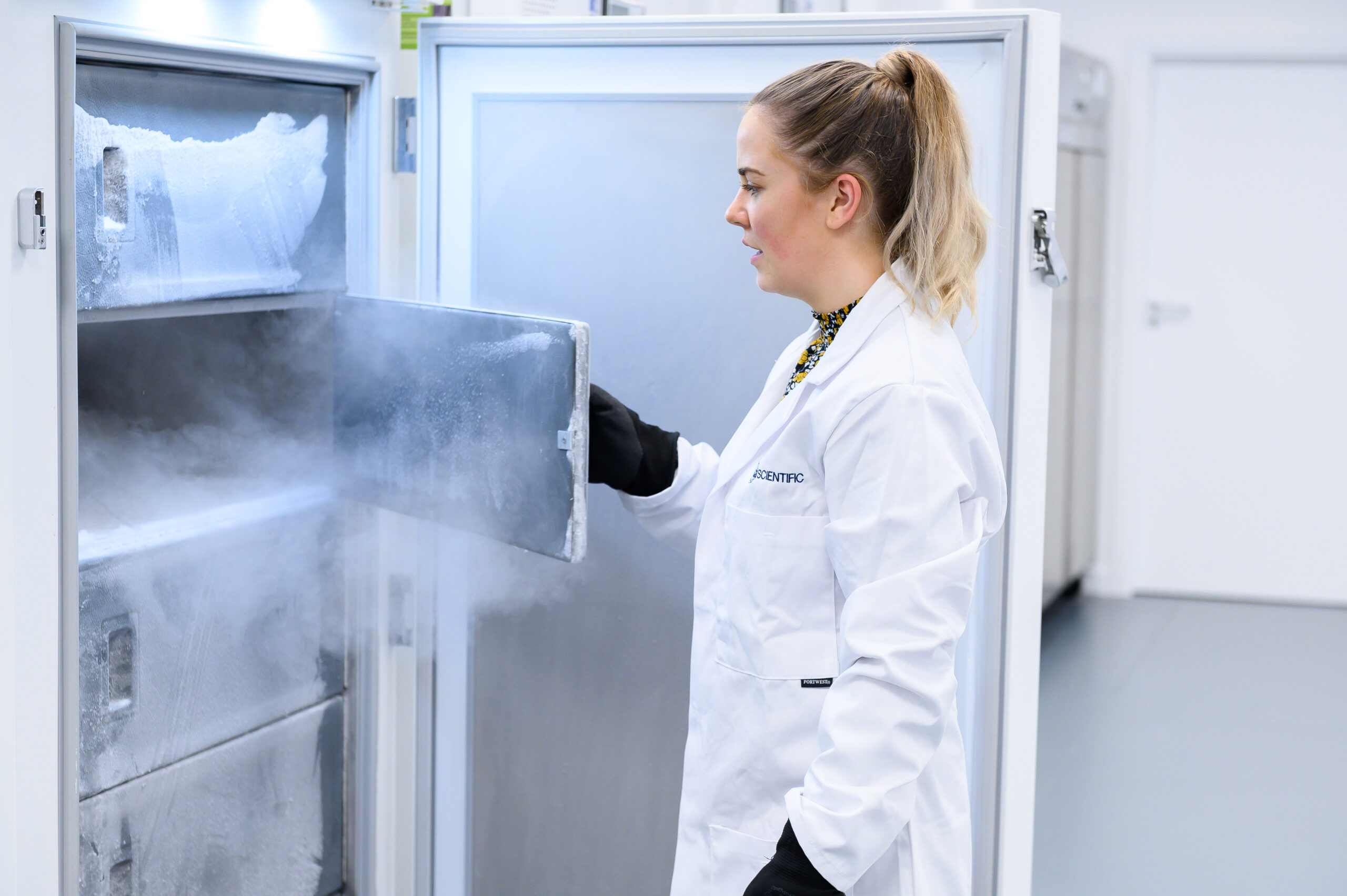
In the realm of pharmaceuticals and vaccines, maintaining an unbroken cold chain is essential to ensure the stability, efficacy, and safety of these life-saving products. Ultra-low temperature freezers, often referred to as “ultra-low deep freezers,” emerge as unsung heroes in the complex and critical arena of cold chain logistics. This article delves into the pivotal role played by ultra-low temperature freezers in safeguarding pharmaceuticals and vaccines throughout the entire cold chain, ensuring their stability and effectiveness from the point of production to administration.
Contents
Understanding Cold Chain Logistics
The cold chain refers to the continuous and controlled temperature environment required to preserve the potency and quality of pharmaceuticals and vaccines. It encompasses various stages, from manufacturing and storage to distribution and delivery. The success of the cold chain hinges on maintaining the appropriate temperature range for each product, preventing temperature excursions that could compromise their integrity.
Ultra-Low Temperature Freezers: Guardians of the Cold Chain
At the heart of the cold chain logistics stand ultra-low temperature freezers, purpose-built to operate at remarkably low temperatures, often reaching as low as -80°C and beyond. These freezers are not mere storage units; they are the linchpins of the entire cold chain, ensuring that pharmaceuticals and vaccines maintain their efficacy, potency, and safety throughout their journey.
1. Pharmaceutical Production and Storage: The journey begins at the production stage, where pharmaceuticals are formulated and vaccines are prepared. Ultra-low temperature freezers play a critical role in storing raw materials, intermediates, and finished products that require extremely cold temperatures to prevent degradation and maintain stability. By promptly freezing products at these temperatures, the initial quality is preserved, setting the stage for a successful cold chain.
2. Distribution and Transport: As pharmaceuticals and vaccines move from manufacturers to distribution centers, then onward to hospitals, clinics, and pharmacies, the risk of temperature fluctuations increases. Ultra-low temperature freezers ensure that the products remain in optimal condition during transit. In cases of unexpected delays or transportation challenges, these freezers act as temporary storage solutions, preventing temperature deviations that could compromise efficacy.
3. Healthcare Facilities: At healthcare facilities, ultra-low temperature freezers continue to play an essential role. Vaccines, medications, and other temperature-sensitive products must be stored at ultra-low temperatures until they are ready for administration. These freezers guarantee that the products are readily available while preserving their effectiveness, maintaining the integrity of the treatments.
4. Emergency Situations: In times of emergency, such as disease outbreaks or natural disasters, the cold chain becomes even more critical. Ultra-low temperature freezers are pivotal in stockpiling vaccines and pharmaceuticals for rapid deployment. These freezers allow for the preservation of a large number of doses, ready to be dispatched at a moment’s notice, safeguarding public health.
Benefits of Ultra-Low Temperature Freezers in Cold Chain Logistics
1. Precise Temperature Control: Ultra-low temperature freezers are engineered to maintain a consistent temperature range. This precision ensures that pharmaceuticals and vaccines are shielded from temperature variations that could lead to loss of efficacy or safety concerns.
2. Extended Storage: These freezers enable storage over extended periods, reducing the need for frequent resupply and minimizing waste, particularly in remote or underserved regions.
3. Minimized Temperature Excursions: Temperature fluctuations can occur during transportation or due to power outages. Ultra-low temperature freezers help prevent temperature excursions, preserving product integrity and reducing the risk of compromised quality.
4. Emergency Preparedness: Ultra-low temperature freezers serve as a reliable solution for stockpiling vaccines and medications, providing a quick response during outbreaks or emergencies.
Challenges in Cold Chain Logistics
- While ultra-low temperature freezers are indispensable in cold chain logistics, several challenges must be addressed to ensure the cold chain’s effectiveness:
- Temperature Fluctuations: Despite advanced technology, unexpected temperature fluctuations during transportation or power outages can occur, potentially compromising the product’s stability.
- Infrastructure Limitations: In remote or resource-limited areas, maintaining a consistent cold chain can be challenging due to inadequate infrastructure and limited access to reliable power sources.
- Supply Chain Complexities: Managing the flow of products across various stakeholders—manufacturers, distributors, and healthcare facilities—while maintaining temperature integrity requires a coordinated effort.
- Regulatory Compliance: Adhering to strict regulatory standards for temperature control throughout the cold chain can be complex, involving rigorous documentation and monitoring.
Conclusion
Ultra-low temperature freezers, often referred to as ultra-low deep freezers, are the unsung heroes in the intricate dance of cold chain logistics for pharmaceuticals and vaccines. They play a critical role in maintaining stability and effectiveness, ensuring that life-saving products reach their destinations in optimal condition. From production to administration, these freezers stand as the guardians of the cold chain, preserving the potency and safety of pharmaceuticals and vaccines, and ultimately contributing to the well-being of populations worldwide.