Role of Hospitals in Medical Research
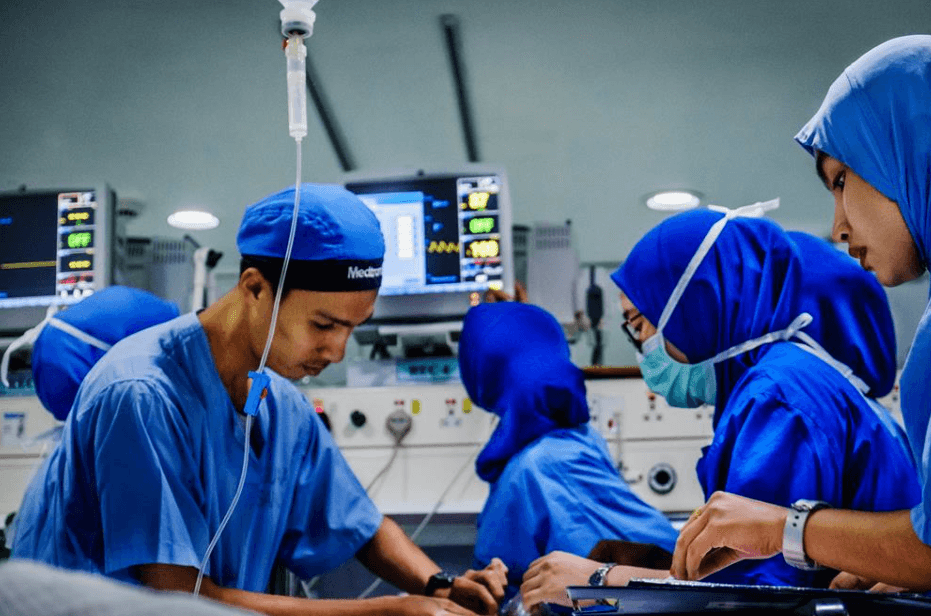
Hospitals are pivotal institutions in the healthcare ecosystem, playing a multifaceted role beyond patient care. One of their most significant contributions is to medical research. Hospitals’ access to diverse patient populations, state-of-the-art facilities, and collaborative environments are instrumental in advancing medical science. We will delve into the paramount role of hospitals in medical research, highlighting their contributions to clinical trials, disease management, innovation, training, and the overall improvement of healthcare outcomes.
Role of hospitals in medical research
- Clinical Trials and Research Initiatives
Hospitals serve as fertile grounds for conducting clinical trials and research initiatives. Clinical trials are paramount for evaluating the safety and efficacy of new drugs, treatments, and medical devices. Hospitals furnish controlled environments where researchers can closely monitor patients’ responses to interventions, collect data, and analyze outcomes. This controlled setting ensures participants’ safety and the research process’s integrity.
Furthermore, hospitals facilitate the recruitment of participants for clinical trials. Their patient populations represent a diverse range of medical conditions and demographics, making finding suitable candidates for research studies easier. Hospitals’ established infrastructures for patient consent, data collection, and compliance with regulatory requirements streamline the clinical trial process.
- Disease Management and Epidemiological Studies
Hospitals are at the forefront of disease management and epidemiological studies. These institutions continuously gather data on patient demographics, diagnoses, treatments, and outcomes. This wealth of patient information is invaluable for pinpointing disease trends, tracking outbreaks, and comprehending the impact of various interventions.
Epidemiological studies conducted in hospital settings contribute to public health research by shedding light on disease prevalence and hazard factors. Hospitals are particularly paramount in responding to public health emergencies, such as infectious disease outbreaks, where rapid data collection and analysis are imperative for containing the spread of diseases.
- Innovation and Technological Advancement
Hospitals drive innovation and technological advancement in the medical field. Through collaboration with researchers, pharmaceutical companies, and medical device manufacturers, hospitals participate in the development and testing of cutting-edge technologies and treatment modalities. This innovation benefits both patients and the broader healthcare industry. For instance, hospitals frequently conform as early adopters of new medical devices and equipment, ensuring that patients have access to the latest and most effective treatments. These innovations can enhance the accuracy of diagnoses, the precision of surgeries, and the overall quality of patient care.
- Training and Education
Hospitals are paramount training grounds for medical professionals, including physicians, nurses, technicians, and researchers. They provide hands-on experiences and exposure to a wide range of medical conditions, allowing aspiring healthcare professionals to refine their skills and knowledge.
Medical research, conducted within hospitals, also recreates a paramount role in medical education. Research findings are integrated into medical curricula, ensuring that students are exposed to the latest advancements in the field. Moreover, hospitals often host research seminars, conferences, and workshops, where healthcare professionals can exchange ideas and stay updated on the latest research developments.
- Improvement of Healthcare Outcomes
Medical research conducted in hospital settings directly contributes to improving healthcare outcomes. Hospitals can refine protocols and guidelines by evaluating the effectiveness of treatments and interventions, ensuring that patients receive evidence-based care. This continuous cycle of research, evaluation, and improvement raises the standard of care in hospitals. Additionally, research conducted within hospitals helps poinpoint best practices and optimal treatment pathways. This enhances the quality of patient care and healthcare efficiency by reducing unnecessary tests, procedures, and hospital stays.
- Collaboration and Interdisciplinary Research
Hospitals foster collaboration and interdisciplinary research, gathering experts from diverse fields to manage complex medical challenges. Multidisciplinary teams of physicians, scientists, nurses, and other healthcare professionals work collaboratively to develop innovative solutions and treatments. Interdisciplinary research within hospitals has ushered in cancer treatment, genomics, and personalized medicine breakthroughs. The convergence of expertise from diverse disciplines often outcome in novel approaches to diagnosis, treatment, and precluding of diseases.
- Community Engagement and Health Promotion
Hospitals serve as hubs for community engagement and health promotion. They often host health fairs, educational workshops, and outreach programs to raise awareness about various health issues. These initiatives educate the public and contribute to data collection for public health research. Moreover, hospitals play a paramount role in advocating for preventive healthcare measures. By researching risk aspects and preventive strategies, hospitals help shape public health policies and encourage individuals to adopt healthier lifestyles.
Hospitals play a multifaceted and indispensable role in advancing medical research and improving healthcare outcomes. Their involvement in clinical trials, disease management, innovation, training, and community engagement contributes to developing new treatments, enhancing patient care, and promoting public health. Despite the challenges and ethical considerations associated with research in hospital settings, the benefits are undeniable. Hospitals serve as vital hubs for research and innovation, driving progress in medical science and ensuring that patients receive the best possible care based on evidence-based practices. In a rapidly evolving healthcare landscape, hospitals remain at the forefront of medical research, poised to address our most pressing health challenges. The new state-of-the-art hospital in Al Ain has immensely elevated the healthcare services known to the community, offering advanced medical treatments and facilities.