Radiator Maintenance 101: Keeping Your UK Home Warm and Safe
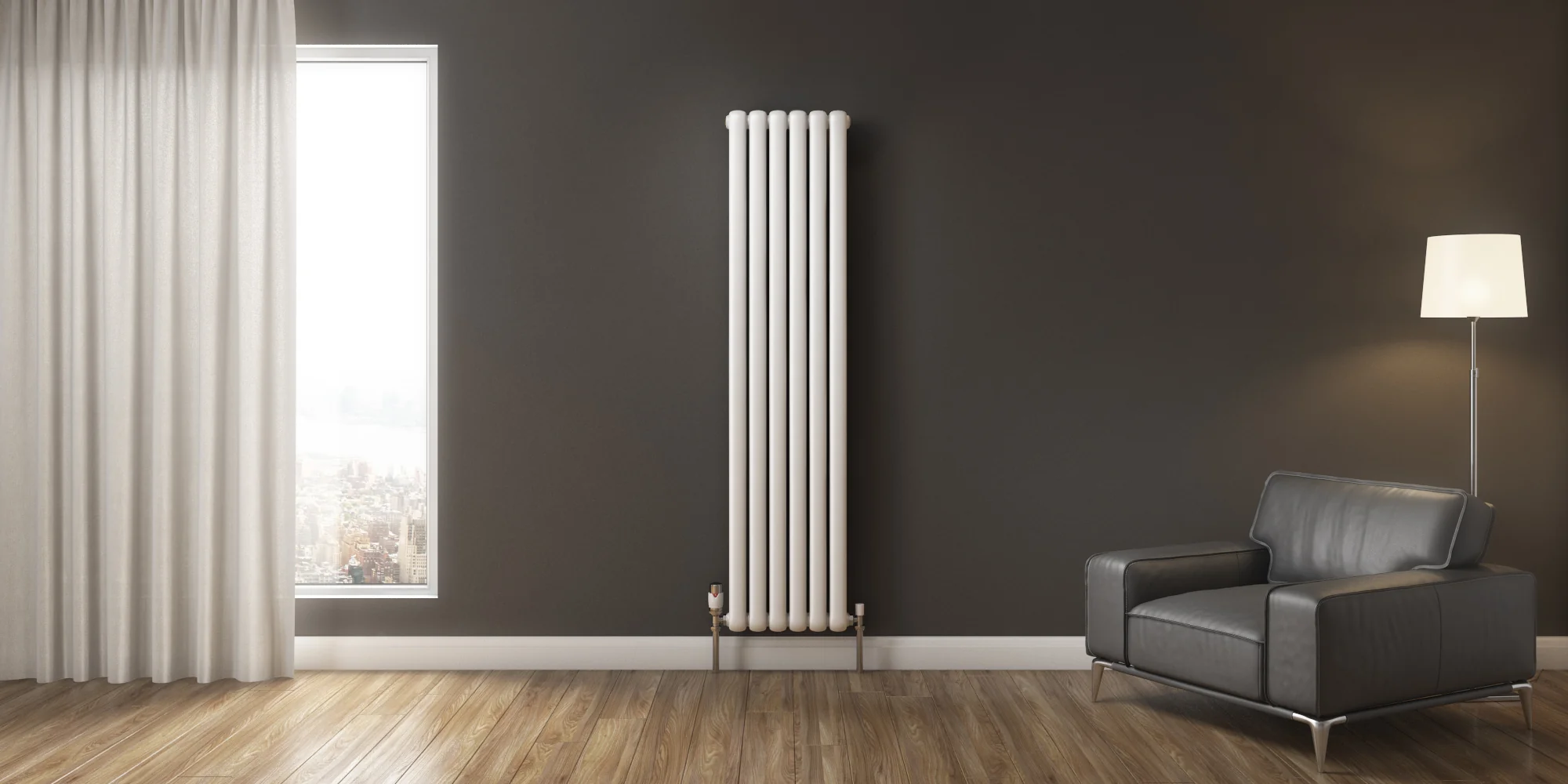
When it comes to keeping our homes comfortable and well-regulated, we often overlook the unnoticed heroes – radiators. More than just a device that generates heat, the radiator serves as the cornerstone of an effective home heating system. However, like any other mechanical system, radiators require regular maintenance to ensure they function effectively, helping you to keep your house warm efficiently and, most importantly, safely. This guide offers basic tips on radiator maintenance.
Contents
Maintain Regular Checks
One of the simplest and most effective ways to maintain your radiators is to undertake regular checks. Look for signs of wear or damage, such as leakages, strange noises, or uneven heating. Regular checks help spot issues early, allowing for timely repairs.
Bleeding Your Radiator
‘Bleeding’ your radiator is an essential part of its maintenance. This process involves releasing air that’s become trapped in your heating system, which can cause cold spots and inhibit the full circulation of heat. To bleed a radiator, all you need is a radiator key or a screwdriver, depending on the type of valve your radiator has. It’s an easy task that you can do yourself and can greatly improve your home heating efficiency.
Regular Cleaning
Cleaning your radiators is not just for aesthetic purposes; it also plays a significant role in maintaining their efficiency. Dust and grime accumulation on or inside your radiators can inhibit heat output. Regular radiator spot cleanings and scheduled professional deep cleanings can help maintain their optimal working capacity.
Balancing Your Radiators
Balancing is the process of ensuring evenly distributed heat across all radiators in your home. An imbalanced system could result in some rooms being harder to heat than others. To rectify such situations is another handy radiator maintenance task that a homeowner can do without the need for a professional.
Consider Insulation
Insulating your home and the pipes of your heating system can help retain heat, reducing the strain on your radiators and improving your home’s energy efficiency. Quality insulation slows the heat loss from your home, meaning your radiators don’t have to work as hard to maintain a comfortable temperature.
Professional Check-up
Alongside basic maintenance that you can do yourself, it is recommended that you have a professional take a look at your heating system annually. A certified technician will perform a full system check-up, with more sophisticated tools to find any hidden issues that a layperson may not spot.
In conclusion, radiator maintenance isn’t an arduous task if regularly undertaken. Simple actions like checking, bleeding, cleaning, and balancing your radiators can go a long way in preserving their health and ensuring they operate efficiently. Proper maintenance helps you to avoid extravagant repair costs, keeps your home comfortably warm, and most crucially, safe.