QR Code Scanners: Your Key to Instant Information Access
1. Introduction: The Ubiquity of QR Codes
In today’s digital age, QR codes have become ubiquitous, appearing on products, advertisements, tickets, and more. These matrix barcodes provide a convenient way to access information instantly using a QR code scanner.
2. Understanding QR Code Scanners: The Basics
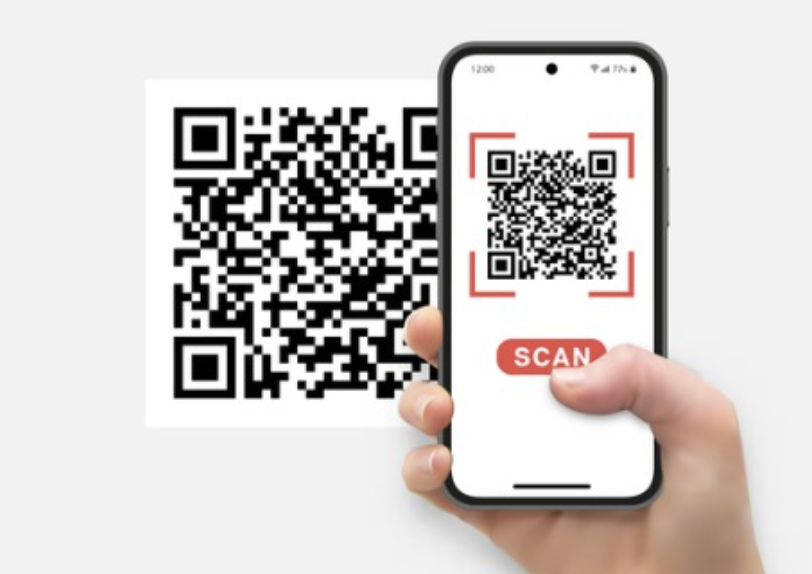
A qr code scanner is a software application or device that uses a camera or image sensor to capture and decode QR codes. Once scanned, the QR code’s encoded data is extracted and presented to the user.
3. Mobile QR Code Scanners: On-the-Go Access
Mobile QR code scanners are perhaps the most common type, leveraging the cameras of smartphones to scan QR code quickly and conveniently. Users can download scanner apps from app stores or use built-in scanner features on their devices.
4. Dedicated QR Code Scanners: Specialized Solutions
In addition to mobile apps, dedicated QR code scanners are available for specific purposes, such as inventory management, ticket validation, and access control. These scanners offer enhanced functionality tailored to the needs of businesses.
5. How QR Code Scanners Work: Decoding the Matrix
QR code scanners utilize image sensors and decoding algorithms to interpret the patterns of black and white squares within QR codes. The scanner captures an image of the code, processes it, and extracts the encoded data.
6. Features of QR Code Scanners: Enhancing User Experience
Modern QR code scanners offer a range of features to enhance user experience. These may include batch scanning, augmented reality overlays, customization options, and offline functionality.
7. Security Considerations: Protecting Against Malicious Codes
While QR codes offer convenience, they also pose security risks, as malicious actors can create codes that link to phishing websites or malware. QR code scanners often include security features to protect users against such threats.
8. Integration with Payment Systems: Streamlining Transactions
QR codes have become integral to mobile payment systems, allowing users to make transactions by scanning codes displayed at checkout counters or on invoices. This technology streamlines the payment process and reduces the need for physical currency or cards.
9. Marketing and Advertising Applications: Engaging Consumers
Businesses leverage QR codes in marketing campaigns to provide additional information about products, offer discounts or promotions, or facilitate interactions with digital content. QR codes embedded in advertisements, packaging, or signage can drive customer engagement and brand awareness.
10. Contactless Solutions: Meeting Post-Pandemic Needs
The COVID-19 pandemic accelerated the adoption of contactless technologies, including QR codes, as businesses sought ways to minimize physical contact and adhere to social distancing guidelines. QR codes emerged as a safe and convenient alternative for various activities, such as menu browsing at restaurants and contact tracing at venues.
11. QR Codes in Education: Enhancing Learning Experiences
Educators are increasingly incorporating QR codes into lesson plans to create interactive learning experiences. QR codes can link to supplemental resources, quizzes, or multimedia content, allowing students to engage with course material in dynamic ways.
12. Environmental Impact: A Sustainable Solution
Compared to traditional printed materials, QR codes offer environmental benefits by reducing paper usage and waste. Digitally distributed QR codes eliminate the need for printed brochures, flyers, or tickets, contributing to sustainability efforts.
13. Future Trends and Innovations: Evolving Applications
As technology continues to advance, the applications of QR codes and scanner technology will evolve. Emerging trends include the integration of QR codes with augmented reality, blockchain for secure authentication, and IoT devices for seamless connectivity.
14. Accessibility Considerations: Inclusive Design
Accessibility is an important consideration in the design of QR code scanners, ensuring that everyone can use them effectively. Features such as voice guidance for visually impaired users and support for screen readers enhance accessibility.
15. Conclusion: Embracing the Potential of QR Code Scanners
QR code scanners offer an effortless way to access information instantly, making them invaluable for various applications. Understanding how to create effective QR codes can further enhance this utility. To learn more about QR Code Creator and how to design customized QR codes for your needs, check out this detailed guide. This will provide you with the insights needed to maximize the benefits of QR codes in your daily activities.
In conclusion, QR code scanners play a crucial role in providing instant access to information in today’s digital world. Whether used for mobile payments, marketing campaigns, educational purposes, or other applications, QR code scanners offer convenience, efficiency, and versatility. By embracing the potential of QR code scanners, businesses and consumers can unlock new opportunities and enhance their digital experiences.