Proven Pest Removal Strategies for a Pest-Free Environment
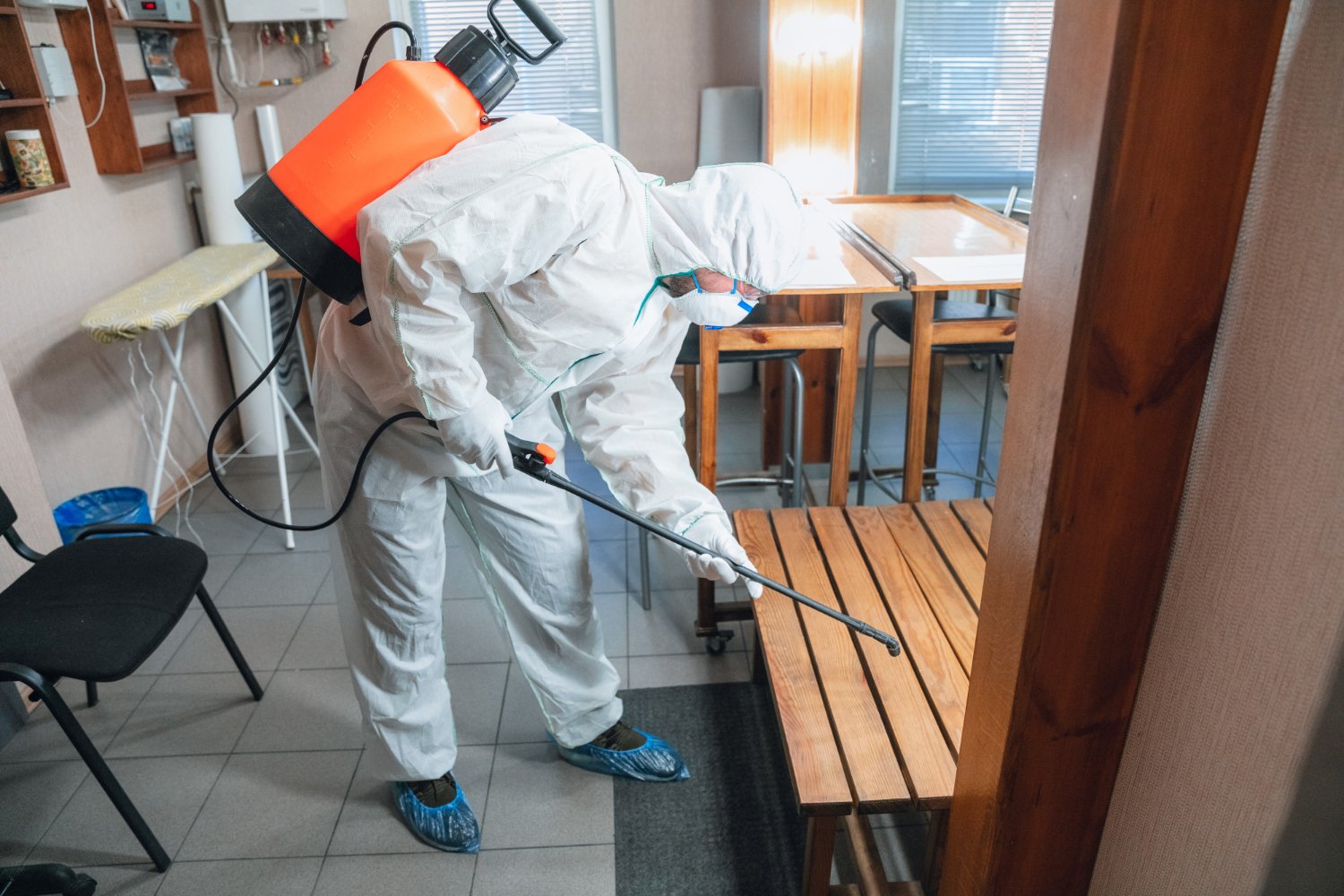
Pest infestations are a common challenge for homeowners and business owners alike. Whether it’s rodents, insects, or larger wildlife, pests can cause property damage, spread diseases, and create an uncomfortable living or working environment. Effective pest removal requires a strategic and comprehensive approach that addresses the root cause of the infestation. This article outlines proven pest removal strategies that can help ensure a pest-free environment for both residential and commercial properties.
Contents
1. Prevention is the First Line of Defense
The best way to deal with pests is to prevent them from entering your home or business in the first place. Prevention strategies focus on eliminating factors that attract pests and sealing entry points to prevent them from gaining access.
- Seal Entry Points: Pests, especially rodents and insects, can enter through small gaps and cracks. Inspect doors, windows, walls, and foundations for any openings. Seal these areas with caulk, weather stripping, or steel wool to prevent pests from entering.
- Keep the Property Clean: Pests are often attracted to food sources, so it is crucial to maintain cleanliness, especially in kitchens, dining areas, and trash disposal zones. Clean up food crumbs, spills, and grease regularly, and store food in sealed containers.
- Proper Waste Management: Ensure that garbage bins are tightly sealed, and trash is disposed of regularly. Pests like flies, cockroaches, and rodents are attracted to open or overflowing trash.
- Maintain Landscaping: Overgrown plants, trees, and bushes can serve as both a shelter and a bridge for pests. Trim back any vegetation that comes into direct contact with the building, as this can offer easy access to pests like termites or rodents.
By implementing preventive measures, you can greatly reduce the likelihood of a pest infestation before it even begins.
2. Identifying the Type of Pest
Identifying the type of pest you’re dealing with is essential for implementing the right pest removal strategies. Different pests have unique behaviors, habitats, and control methods, so understanding the pest is crucial. Common pests in residential and commercial spaces include:
- Rodents: Mice, rats, and squirrels are common invaders, especially in colder months.
- Insects: Ants, cockroaches, termites, bedbugs, and mosquitoes are frequent pests in both homes and businesses.
- Wildlife: Larger pests such as raccoons, birds, and squirrels can cause significant damage, especially in attics and warehouses.
- Fungi and Mold: Mold infestations, though not always considered pests, can cause significant property damage and health problems.
Once the pest type is identified, the appropriate removal method can be chosen. If unsure, consulting a pest control professional can help you determine the correct identification 除蟲.
3. Chemical and Non-Chemical Treatments
When prevention measures fail or infestations are already present, both chemical and non-chemical treatments are used for pest removal. It is important to choose treatments that are effective while considering the safety of the property’s occupants.
- Insecticides: Insecticides are commonly used for pests like ants, cockroaches, and flies. Available in sprays, baits, and dusts, they work by poisoning or killing pests. However, proper application is essential to avoid health hazards, particularly around pets and children.
- Rodenticides: Rodent poisons are effective for controlling rat and mouse populations. Baited traps or pellet-based poisons can be used in places where rodents are commonly seen. However, it’s important to handle poisons carefully to prevent exposure to non-target animals.
- Termiticides: If you’re dealing with termites, termiticides are a specialized treatment applied directly to wood or the soil around the property to kill and repel termites. Termite control is critical to prevent long-term damage to structures.
- Organic and Non-Chemical Solutions: For eco-conscious homeowners or businesses, organic pest control methods such as diatomaceous earth, neem oil, or essential oils like peppermint can be used to deter pests without harmful chemicals. These methods may take longer to show results but are effective for those looking for more sustainable solutions.
4. Traps and Baits
Traps and baits are non-toxic alternatives for dealing with pests, particularly in smaller, localized infestations. These methods are highly effective for capturing rodents, insects, and other small pests.
- Rodent Traps: Snap traps, glue traps, and live traps can be placed in areas where rodent activity is high. While snap traps quickly kill rodents, live traps allow for safe relocation.
- Insect Baits: Insect baits attract pests like ants, cockroaches, and termites. The pests consume the bait and carry it back to their nests, where it affects the entire colony. Baiting is often more effective than using sprays because it targets the source of the infestation.
- Fly Traps: Flypaper, electric fly zappers, and UV light traps can help control fly populations, particularly in businesses dealing with food.
Using traps and baits helps to minimize the need for chemical treatments and can be a more sustainable way to handle pest problems.
5. Biological Pest Control
Biological pest control is an environmentally friendly option that uses natural predators, parasites, or pathogens to control pest populations. This method is gaining popularity due to its sustainability and minimal environmental impact.
- Natural Predators: Some pests, like aphids, can be controlled by introducing natural predators like ladybugs or lacewing larvae. These predators feed on the pests, naturally keeping their populations in check.
- Pathogens: Certain bacteria, fungi, or viruses can be used to target specific pests. For example, Bacillus thuringiensis (Bt) is a naturally occurring bacterium that targets caterpillar larvae.
- Nematodes: These microscopic worms are effective for controlling soil-dwelling pests like fleas and grubs.
Biological control is a safe and natural way to manage pests, but it may require more time to see results compared to chemical treatments.
6. Professional Pest Control Services
For large-scale infestations or when DIY methods fail, hiring a professional pest control service is often the best option. Professionals are equipped with the knowledge, tools, and expertise to handle a wide range of pest problems.
- Inspection and Assessment: Pest control experts conduct thorough inspections to determine the extent of the infestation and identify entry points.
- Integrated Pest Management (IPM): IPM is an eco-friendly approach that combines multiple pest control strategies, including biological, mechanical, and chemical methods, to effectively manage pest populations while minimizing environmental impact.
- Ongoing Maintenance: Many pest control companies offer regular service contracts that include periodic inspections and treatments to keep pests at bay and prevent future infestations.
7. Long-Term Maintenance and Monitoring
After implementing removal techniques, long-term pest prevention is necessary to ensure that pests do not return. Regular monitoring and maintenance of the property’s pest management system can help keep pest populations under control.
- Schedule Regular Inspections: Ongoing inspections help to identify any early signs of pest activity and address them before they become a bigger issue.
- Use Pest Deterrents: For continued pest prevention, you may want to use natural deterrents, such as essential oils or ultrasonic pest repellers, to keep pests away.
Conclusion
Pest removal is a critical aspect of maintaining a safe and comfortable environment in both homes and businesses. By implementing a combination of prevention, identification, and treatment strategies, you can successfully control and eliminate pests. Whether through chemical treatments, traps, biological control, or professional pest control services, each approach has its role in creating a pest-free environment. With a proactive approach, you can ensure that your property remains safe from the damage and health risks associated with pests.