Propane Refill vs. Exchange: What To Know
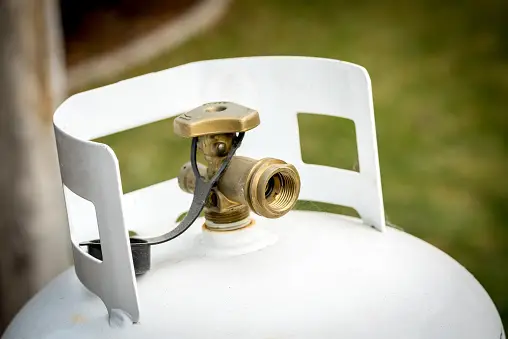
Choosing a propane supplier can be daunting, especially when refilling or exchanging your propane tank. Propane refill and exchange are methods of obtaining propane for various uses, such as heating, cooking, grilling, and powering generators. The method you choose will depend on your personal preference and your needs. Here are a few things to know on propane refill vs. propane exchange:
Advantages of Propane Refill vs. Exchange
Refilling your propane tank has several advantages over exchanging it. They include:
Cost Effective
Refilling a tank takes longer than exchanging but can be more cost-effective in the long run. Exchanging a tank is quick and convenient but can come with a higher price tag. While a refill can be less expensive in the long run than the exchange, the upfront cost of purchasing a refillable propane tank can be prohibitive for some.
Environmentally Friendly
A propane refill is more eco-friendly. Refilling propane tanks encourages reusing tanks, which reduces waste and the impacts the tanks have on the environment. Every time you exchange your tank, the old tank is disposed of, which can lead to unnecessary waste. Choosing a propane refill over an exchange may help result in a more sustainable future.
Safer
The propane tank refill can be safer since suppliers always inspect the propane tanks before filling them. They check expiration dates and whether the tanks have leaks, enhancing their safety. You can verify that you are taking home propane tanks that are safe to use.
Disadvantages of Propane Refill vs. Exchange
Propane refilling has several disadvantages over exchanges. The cons include:
Time-consuming
The refill process can be more time-consuming than propane exchange. With refill, you may have to wait for the tank to be fully topped off and checked for leaks, which can take substantially longer than a quick exchange swap. The propane tank exchange process can be faster. Propane exchange simply requires you to drop off the empty propane tank and pick up a new one.
Must Be Certified
Before refilling a propane tank, the supplier always checks if the tank is certified. Propane tanks have an expiry date. If a propane tank is expired, the propane supplier may refuse to fill up the expired tank, requiring you to contact the tank manufacturers to have the tank recertified. The process may be expensive and time-consuming.
Cost Comparison of Propane Refill vs. Exchange
Before deciding on refill or exchange, learn each option’s cost implications. Here are a few of the factors influencing the cost-effectiveness of refilling and exchanging propane:
Local Propane Prices
The local price for each option is a determining factor of whether refilling is cheaper than exchanging and vice versa. Propane prices may vary significantly depending on the location of the propane supplier. Comparing the prices that local propane suppliers offer can help determine whether to exchange or refill.
Usage Patterns
Your usage patterns can also help in determining the more cost-effective option. For frequent users, refilling propane tanks may save you more money than having the tanks exchanged. If you use propane occasionally, exchanging propane tanks can be more cost-effective for you. When you choose to exhange your tank, you do not have to worry about tank certification or maintenance.
Find a Reliable Propane Supplier Today
Choosing between propane refill and exchange can be difficult. Both options have their advantages and disadvantages, depending on your needs. You can weigh the cost of each service in conjunction with the frequency of use. If you plan to use your propane tank often, then refilling can be far more economical than exchanges and vice versa. Doing thorough research in advance can help you make an informed decision that best suits your needs.