Preparing for Orthopedic and Spine Day Surgery: Preoperative Instructions and Guidelines
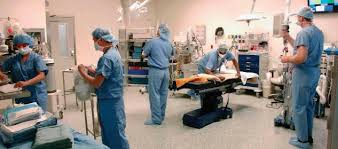
Unquestionably, orthopedic trauma can throw every plan you have sideways, leaving you feeling like your world is spinning out of control. Thankfully, you can get back on course by seeking assistance from a professional team dedicated to managing orthopedic and spine-related conditions.
In this regard, Tarmeem Orthopedic and Spine Day Surgery Centre is a patient-centered facility offering best-in-class surgical services in Abu Dhabi. Their compassionate physicians are on hand to help on your journey toward a full recovery. Plus, their preoperative guidelines below can make you feel like you’ve already won the battle before it’s even begun:
Contents
1. Go Off Blood Thinning Meds
If you’re on blood thinning medication, such as Xarelto, Plavix, aspirin, or warfarin, your doctor will advise that you stop taking such meds several days before the procedure.
They should provide instructions for when to cease these medications and what to do while off them. That said, they may recommend continued use of such meds on medical grounds, such as for those with a mechanical heart valve.
2. Avoid Alcohol and Smoking
Before your orthopedic surgery, it is advisable to avoid consuming alcoholic drinks and smoking. Even minimal consumption can interfere with the procedure and impair your recovery post-surgery. In particular, alcohol hinders the blood’s clotting ability, which may cause complications during surgery. For instance, managing blood loss following incisions can become challenging.
Also, if you smoke, your lung capacity may decrease, affecting your breathing while under anesthesia and your ability to heal following surgery. Plus, post-surgical complications may arise due to smoking, such as increased risk of infection and delayed healing.
Most surgeons advise their patients to avoid smoking before and after surgery to allow their hearts and lungs to function normally during the procedure. By so doing, you allow better blood flow, which boosts your odds of recovery.
3. Prepare for Your Surgery
When prepping for your surgery, consider specific tasks and activities you should handle beforehand. These include:
- Gathering necessary items for the day of your surgery, such as comfortable clothing, personal hygiene items, and medications you may need before and after the procedure.
- Having someone you trust on standby to take you home following surgery – no driving before the effects of anesthesia wear off.
- Taking care of financial matters or insurance documents before the procedure.
- Asking close friends or family members for assistance if needed post-surgery.
- Getting a surgical profile (complete with medical history) from your primary care doctor and bringing it to the hospital.
Your nurse can also provide information about special instructions or other things you may need to do before arriving at the hospital. In so doing, you can expect a smooth process.
4. Sleep Well and Eat Healthily
Getting a good night’s sleep before your surgery can help reduce stress and promote better recovery. Eating healthy meals and drinking plenty of fluids also help to prepare your body for surgery.
And as D-Day approaches, you’re likely to feel jittery – it’s understandable as any surgery can be a tad intimidating. To ensure anxiety doesn’t disrupt your procedure, you can do the following:
- Inform your friends and family about your upcoming surgery. They can provide helpful advice and emotional support during this time.
- Get as much information as possible – an informed patient is more likely to relax. Find every detail you can about the procedure, including other seeming non-issues like the hospital environment, parking availability, and more.
- Go over the instructions with your attending physician so you’re on the same page before the surgery.
5. Have a Post-Surgical Plan
Your recovery will largely hinge upon your preparedness before the procedure. And while some patients presume that post-surgical medical visits and exercise are all it takes to recover, there’s more to it.
Thus, organize and develop a plan to streamline your rehabilitation after the procedure. Usually, this entails taking care of various aspects around your home to make your transition back into everyday life much smoother. Here’s a quick checklist:
- Stock up on healthy food, such as fruits and vegetables.
- Have a comfortable place to sleep, or purchase a new mattress – if needed.
- Eliminate tripping hazards such as loose rugs.
- Install non-slip mats and grab rails in your bathroom for safety.
- Purchase a portable ice pack and compression garments to deal with swelling.
- Add extra lights in areas you frequent and keep passageways clear of clutter.
This write-up doesn’t exhaustively cover every aspect of pre-operative care. Still, it gives an overview of some crucial points before surgery. If you have questions or need clarification, consult your surgeon or physician before the procedure.