Precision in Printing: The Technology Behind Custom Die Cut Stickers
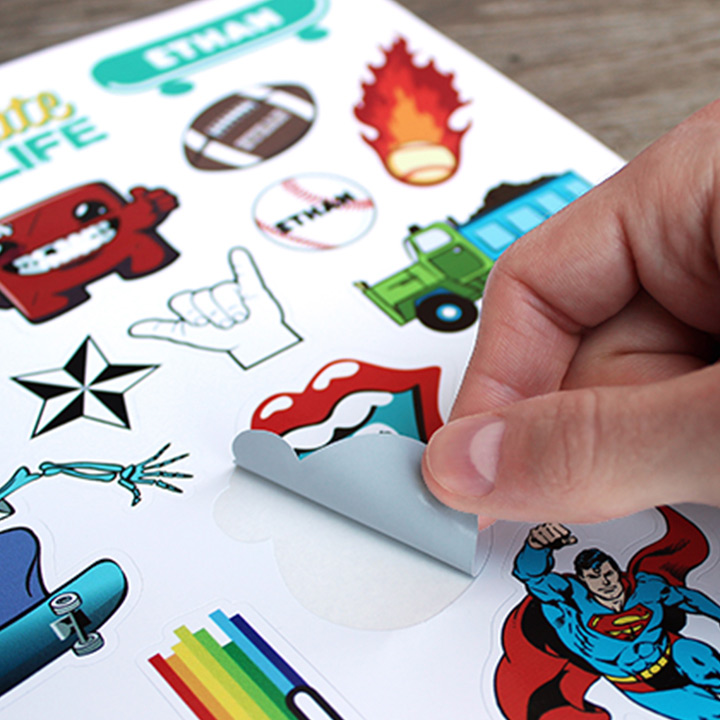
Custom die-cut stickers have become increasingly popular for personal and business use, offering a unique and creative way to showcase individuality or promote a brand. Behind their vibrant designs and precise shapes lies a blend of innovative printing technologies and techniques. In this comprehensive guide, we delve into the technology that makes custom die cut stickers a standout choice for various applications.
Understanding Die-Cutting
Die-cutting is a process used to create stickers of unique shapes and sizes by cutting through the substrate material, typically a vinyl or paper backing, using a custom-shaped die. The die is a specialized tool made from sharp blades that are formed into the desired shape and mounted on a sturdy backing. When the die is pressed onto the material, it cuts through the substrate, leaving the sticker in the desired shape.
Printing Technologies for Die-Cut Stickers
Several printing technologies are used to create vibrant and high-quality designs on custom die-cut stickers:
1. Digital Printing
Digital printing is a popular choice for custom die-cut stickers due to its versatility and cost-effectiveness. This method uses inkjet or laser printers to transfer the design directly onto the substrate, offering precise detail and color reproduction.
2. Screen Printing
Screen printing is another common method used for die-cut stickers, especially for large quantities. This technique involves using a mesh screen to transfer ink onto the substrate, creating bold and durable designs. While screen printing can be more labor-intensive, it is ideal for stickers that require vibrant colors and long-lasting durability.
3. Flexography
Flexography, or “flexo” printing, is a popular choice for die-cut stickers that require large quantities and high-speed production. This method uses flexible relief plates to transfer ink onto the substrate, making it suitable for printing on various materials, including vinyl and paper.
Choosing the Right Material
The choice of material plays a crucial role in the quality and durability of custom die-cut stickers. Common materials used for die-cut stickers include:
1. Vinyl
Vinyl is a durable and weather-resistant material that is ideal for outdoor use. It can withstand exposure to the elements, making it a popular choice for bumper stickers, outdoor signage, and product labels.
2. Paper
Paper stickers are a cost-effective option for indoor use. While not as durable as vinyl, paper stickers are suitable for applications where durability is not a primary concern, such as packaging labels and promotional stickers.
3. Clear
Clear stickers are made from transparent vinyl and are ideal for applications where the background needs to show through. They are often used for window decals, product labels, and custom packaging.
Enhancing Die-Cut Stickers with Finishing Options
To enhance the appearance and durability of custom die-cut stickers, various finishing options can be applied:
1. Lamination
Lamination is a protective coating applied to the surface of the sticker to enhance its durability and weather resistance. It can also add a glossy or matte finish to the sticker, giving it a professional look.
2. UV Coating
UV coating is a type of lamination that uses ultraviolet light to cure the coating, making it more durable and resistant to fading. UV coating is ideal for outdoor stickers that are exposed to sunlight.
3. Embossing and Debossing
Embossing and debossing are techniques used to create raised or recessed areas on the sticker’s surface, adding texture and depth to the design.
Conclusion
Custom die-cut stickers offer a unique and versatile way to showcase designs and promote brands. By leveraging advanced printing technologies, high-quality materials, and finishing options, businesses and individuals can create eye-catching stickers that stand out in a crowded marketplace. Whether for personal expression or promotional purposes, custom die-cut stickers continue to be a popular choice for a wide range of applications.