Pet Carrier: Essential Item for Your Pet’s Safety
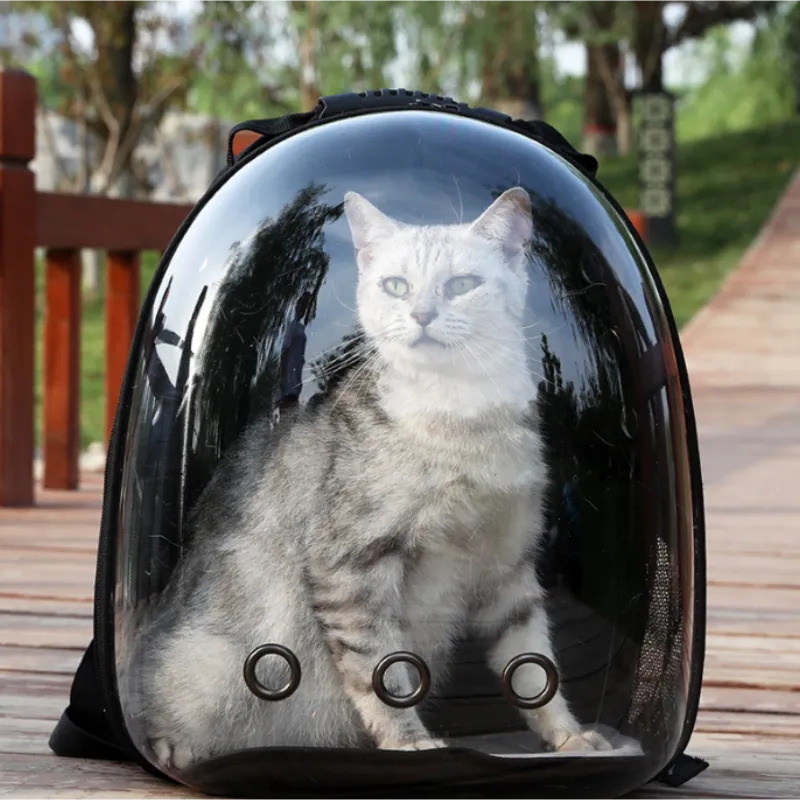
Whether traveling or going to the vet, using a pet carrier can be a very safe and comfortable way to transport your pet, especially if it does not adapt to using a seat belt. In relation to cats, it may be the only way to transport the feline without the risk of escape during the journey.
But are these bags comfortable? Is there a suitable size for each animal? We have gathered valuable information about pet carrier bags and point you to where you can buy them. Enjoy!
Contents
What Is the Function of the Pet Carrier?
Without a doubt, the pet carrier is used to transport your pet from one place to another in a safe and very comfortable way. Furthermore, they are important items for long car or bus trips and, in the case of plane trips, mandatory items.
A suitable crate will transport the animal safely to the desired locations and avoid the dreaded escapes during the journey. In case of accidents, it protects the animal from the possible risks of getting hurt. It can also be used to transport animals with reduced mobility and is very efficient when isolating the pet from contact with other animals is needed.
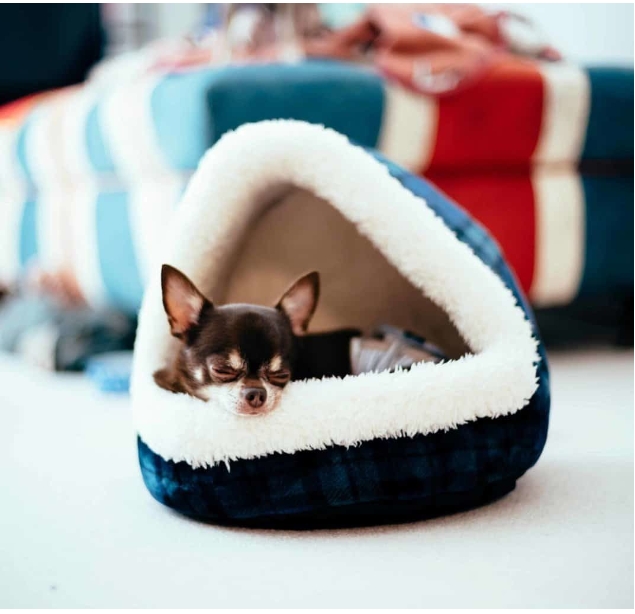
Also, many don’t know that pet carriers can be used as pet houses, as they are very comfortable, and the animals can feel safe inside them when adapted.
Which Size Should I Choose?
Firstly, take into account the size of the pet to be transported. An ideal pet carrier bag is one that allows your pet to easily turn around and remain comfortable standing or sitting inside it without the pet’s head or ears touching the ceiling.
A practical alternative that may work is to buy a size larger than indicated for your pet’s size. For example, if number 2 is indicated, number 3 would certainly be a more comfortable box in terms of internal space.
Remember that this information is about ground transportation. If you intend to travel by plane with your pet, whether in the United States or abroad, you need to check with the airline what the rules are regarding the type of pet carrier bag and whether your pet’s weight guarantees him a trip in the cabin or on the freighter.
How To Measure the Pet
For international travel, the guardian must follow the rules established by IATA (International Air Transport Association) regarding the size of the pet carrier allowed. They teach you which animal measurements you should calculate:
Animal measurements:
- A = Measure the length of the pet from the tip of the snout to the root of the tail
- B = measure the height from the floor to the elbow joint.
- C = measure the pet’s width (shoulder to shoulder or wherever it is wider).
- D = measure the animal’s height in a natural standing position from the top of the head or the tip of the ear to the ground (whichever is higher).
Measurement result:
A + ½ B = length of the pet carrier
L x 2 = width of the pet carrier
D = height of the pet carrier
Important: Contact the airline to answer any questions you may have.
What To Do To Get Your Pet Used to the Pet Carrier
Do not place your pet inside the pet carrier without any type of adaptation, as it may become scary, and using the box may be more difficult. The idea is to associate the use of the box with something positive, such as affection and snacks. Here are some positive training tips for using the carrier:
- Recognition: Leave the box with the door open in the living room for a few days and let your pet go in and out of it until it feels completely comfortable. To help, place snacks, pet toys, or the animal’s bed inside the bag. In the case of cats, the use of catnip can be interesting.
- Positive reinforcement: Set aside 10 to 15 minutes a day to train positive reinforcement. The pet carrier that used to be something strange will now become familiar to your pet, so encourage him to enter the box using his favorite food and caress him so that he stays inside it for as long as possible.
- Keeping the door open: if your pet has more than one bed in the house, the idea is to separate just one and place it inside the pet carrier, along with its favorite toys and items. Leave the box door open so that the animal can use the box as a place to nap. Whenever you see him in the crate, pet him and praise him with treats.
- Keeping the door closed: Set aside 10 to 15 minutes a day for this training. Stand next to the box and call the pet to enter it by offering a treat, then give the command to stay inside the box and offer a treat, close the box door, and offer another treat. After a few seconds, open the door and please your pet.
Do these steps well in advance, as it can take many days, even months, for your pet to get used to being transported inside the crate. For longer trips or in some specific cases, the help of a trainer may be necessary.
Discover Interesting Alternatives
You can have more than one type of pet carrier for your pet; this is because, in some specific activities, you can use a model that is quieter and safer:
- Pet carrier with wheels: An alternative for walking long distances or for walking with pets with some reduced mobility.
- Pet carrier with flexible materials: these are the famous bags or backpacks recommended for small animals used to being held on short distances.
Remember that when traveling with your pet, it is important not to forget to offer water and snacks during the journey so that it stays hydrated and fed. It is also recommended to take breaks every 2 hours, if possible so that they can walk a little on longer trips.
Conclusion
Pet carriers are made of several materials, and multiple designs are available. So when shopping to buy pet carrier bags, you must look out for quality materials that will not only be cost-effective but also durable. Suppose you want to buy pet carrier bags or other luxury pet accessories. In that case, you can check out the Whisker Wonder Store for quality and healthy pet products.