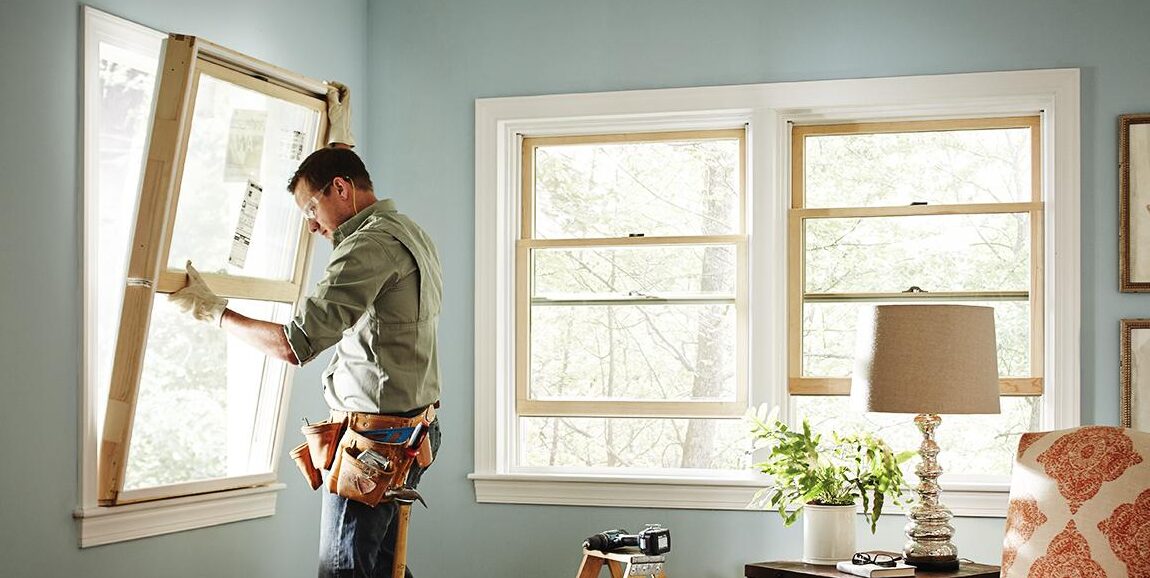
Interior Walls and Ceilings: Design Advice and Repair Tips
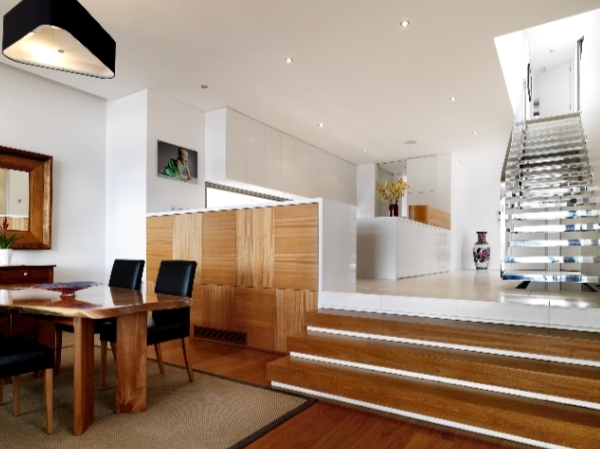
There are many elements to consider while decorating and maintaining interior walls and ceilings. The design of your walls and ceilings can have a significant impact on how your room feels and looks overall. Daily maintenance and repair are required to keep them in good condition.
Besides addressing common problems like cracks, holes, and peeling paint, this article offers design guidance and maintenance ideas. It will help you improve the looks of your walls and ceilings. These pointers can help you create a lovely and well-maintained interior by the help of best interior designers in Dubai, whether you’re looking for original design inspiration or need advice on repairing damages.
Contents
Some Expert Advice To Design Your Walls And Ceilings
1. Color Selection
Choosing the proper colors for your walls and ceilings is critical for establishing the desired mood and visual appeal. Lighter colors, such as whites, pastels, or neutrals, can make a room appear more spacious and airy. They also reflect more light, making the environment appear brighter. Darker colors, such as rich blues, greens, or grays can bring closeness and coziness to a room. Consider the overall design plan and the atmosphere you want to create in each space when choosing colors.
2. Textures And Finishes
Your walls and ceilings can gain depth and visual appeal by experimenting with various textures and treatments. Think about alternatives like imitation finishes, wood paneling, textured paint, and wallpaper. Depending on the technique, textured paint can have a subtle or dramatic effect. Wallpaper comes in a variety of designs, hues, and textures so that you can personalize your home. While decorative molding can offer a sense of elegance and refinement, wood paneling can add warmth and ambience.
3. Accent Walls
A great approach to making a statement and giving a room a focal point is to add an accent wall. Pick one wall to emphasize, and paint, decorate, or texture it differently. Paint, wallpaper, or even a distinctive wall covering like genuine wood or stone can help achieve this. The accent wall can be created in front of a dining table in the dining room, along a fireplace in the living room, or next to a bed in the bedroom. It contributes to giving the room depth and aesthetic intrigue.
4. Artwork And Wall Decor
Decorating your walls with artwork, photos, or decorative items can give your space more character and style. Consider the size, shape, and color harmony when placing wall decor to create an eye-catching piece. Consider grouping works, like framed paintings or large paintings, to make a gallery wall. To display smaller pieces or collections, you can also use wall-mounted display cabinets or shelves. To achieve the ideal balance and harmony for your room, try out various configurations and layouts.
5. Wall Mirrors
Mirrors on your walls can serve several purposes if they are placed thoughtfully. A room can appear bigger and brighter by using mirrors to provide the impression of extra space. They reflect light, increasing any artificial or natural illumination in the space. To increase the amount of natural light reflected, think about placing a big mirror on the wall next to a window. Mirrors can also serve as decorative accents, bringing a touch of classiness to your room.
Repairing Tips For Interior Walls And Ceilings
1. Cracks And Holes
Walls and ceilings may develop cracks and holes over time because of settling, temperature fluctuations, or unintentional damage. Use joint compound or spackling compound to patch up tiny gaps. Using a knife, apply the compound to the crack, smooth it out, and let it dry.
Lightly sand the area, then paint it to match the wall next to it. For larger holes, you might need to use a patching kit or remove the damaged area altogether. You can also install a fresh piece of plasterboard in its place. Patching should be followed with joint compound, sanding, and painting to make the surface blend in.
2. Peeling Paint
If you see paint peeling off of your walls or ceilings, it’s critical to take immediate action. Starting with a knife or scraper, remove any loose paint. Sand the surface to produce a base that is leveled and smooth. To ensure better adhesion of the fresh paint, apply a coat of priming. Finally, refinish the area using high-quality paint that matches the current shade, or think about refinishing the entire wall for a uniform appearance. Any underlying reasons for the peeling paint, such as moisture or faulty surface preparation, must be found and addressed.
3. Water Damage
Water stains or damage to the ceiling or walls can be ugly and can also be a sign of something more serious. It is essential to locate and address the water intrusion’s source before addressing any further water damage. Leaks from the roof, the windows, or the plumbing are frequent sources. You can take care of the damaged region once the fundamental problem has been fixed. You can cover up little water stains with paint after removing them with a stain-blocking primer.
4. Nail Pops
When nails or screws penetrate the plasterboard, they cause little cracks or divisions known as nail pops. Remove the nail or screw that is causing the problem to repair them. Scrape away any elevated or loose material nearby with a mud knife. Spackling compound or joint compound should fill the hole, and you should ensure to level it with the adjacent wall and make it smooth. After the area has dried, lightly sand it and then paint it to match the wall’s other surfaces.
5. Wall Anchors
There can be ugly holes in the wall after removing wall anchors or screws. Use a muddy knife to repair them by filling the holes with joint compound or spackling compound. To allow for sanding, make sure the compound is placed evenly and just a little overfilled. After it has dried, sand the surface to make it smooth and well-synced with the walls. Finish by painting the area to match the surrounding wall.
Conclusion
A professional contractor or interior designer should always be consulted for large repairs or intricate design work to achieve the best results. They can offer professional guidance, suggest suitable materials, and guarantee that the right techniques are applied for both designing and repairs purposes.