Identifying Valuable Chinese Teapot and Cup Sets
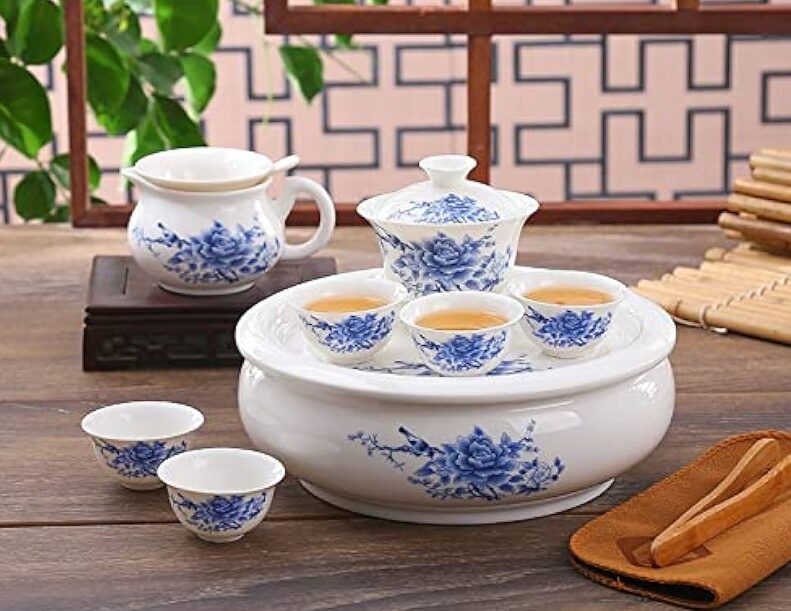
As an avid tea drinker and collector of fine Chinese teapots, you understand that not all teapots are created equal. Some are crafted from precious materials and decorated with intricate designs, elevating them to works of art. If you’ve inherited or purchased an antique Chinese teapot, you may wonder about its history, value, and how to properly care for such a treasure. This article will explore how to identify the hallmarks of a valuable Chinese teapot, including clues about the type of clay, glaze, and decorative motifs used. You’ll learn the distinguishing features of coveted Zisha and porcelain teapots and how to spot the rarest and most prized examples. Armed with this knowledge, you can confidently determine if your teapot is an ordinary piece or an extraordinary find worth preserving for generations to come.
Explore an array of Chinese Tea Sets for Sale. Whether you are a seasoned collector or a passionate tea enthusiast, the quality tea sets showcases exceptional craftsmanship and historical significance. Explore the beauty and legacy of these teapots, and find a piece that speaks to your appreciation for the artistry of Chinese tea culture. Armed with this knowledge, you can confidently determine if your teapot is an ordinary piece or an extraordinary find worth preserving for generations to come.
Contents
Hallmarks of Valuable Chinese Teapots
Valuable Chinese teapots and teacup sets are coveted by collectors for their beauty, craftsmanship, and cultural significance. Several hallmarks indicate a teapot may be quite valuable.
Age and Provenance
Antique teapots, especially those dating to the Ming (1368-1644) and Qing (1644-1912) dynasties, are highly prized. Look for a stamp or signature on the base indicating the era in which it was made. Teapots with a traceable provenance, or ownership history, also tend to be more valuable.
Quality of Construction
Finely constructed teapots made of premium materials are more desirable to collectors. Porcelain teapots, especially those made of zisha clay or yixing clay, are highly sought after. Examine the teapot for thin, evenly poured walls; a precisely fitted lid; and a smoothly operating spout and handle. Teapots with detailed carvings, paintings or calligraphy also tend to be rare and pricey.
Rarity and Uniqueness
Unusual or one-of-a-kind teapots are coveted by serious collectors. Look for unique shapes, sizes, decorative motifs or stamps. Some of the rarest and most expensive teapots are imperial yellow teapots from the Qianlong period, many of which feature intricate famille rose decorations.
By considering the age, quality, rarity and provenance of a Chinese teapot, you can determine if you may have a valuable antique on your hands – or simply an decorative replica. When in doubt, it is best to have teapots appraised by an expert.
Tips for Appraising Your Antique Teacups
To determine if your antique Chinese teacups and teapots are valuable, there are several factors to consider:
Condition and Age
The condition and age of the pieces are two of the most important factors in assessing value. Teacups and teapots that are at least 100-200 years old and in excellent, intact condition will be the most valuable. Check for any chips, cracks, or repairs that could affect value. The patina and signs of age are desirable, but damage reduces worth significantly.
Material and Craftsmanship
Valuable teacups and teapots are often made of prized materials like zisha clay, porcelain, or Yixing stoneware and feature high-quality craftsmanship. Examine the pieces for a makers mark or stamp to determine their origin. Zisha clay and Yixing stoneware pieces are particularly prized for their natural clay composition and handcrafted details. Porcelain pieces with intricate hand-painted designs, gilding, or enamel decorations also command a high price.
Rarity and Provenance
The rarity and provenance or ownership history of a set of teacups or a teapot also impacts value. Sets that are rare, limited editions or made for imperial use are highly sought after by collectors. Pieces that can be traced back to a prominent historical owner or time period are also very valuable. Do some research on your pieces to determine their rarity and provenance.
By evaluating the condition, age, materials, craftsmanship, rarity, and provenance of your Chinese teacups and teapots, you can determine if they may be valuable antiques worth having appraised by an expert. Proper care, handling, and maintaining documentation of their ownership history can help preserve their value for generations to come.
Why Authentic Zisha Teapots Command High Prices
Why Authentic Zisha Teapots Command High Prices
Authentic zisha teapots, especially antique pieces, are highly sought after by collectors and can sell for very high prices. There are a few reasons why zisha teapots are so valuable:
- Zisha clay, also known as purple sand clay, is rare and only found in certain regions of China, mainly around the city of Yixing in Jiangsu province. The clay is scarce, difficult to mine and limited in supply.
- Zisha teapots require highly skilled craftsmanship to produce. Experienced potters spend years honing their skills and technique. The teapots are made using traditional tools and methods that have been passed down through generations. This level of artistry and expertise contributes to their high value.
- Zisha teapots improve with age and use. Over time, the porous clay absorbs the flavor and aroma of the tea, enhancing the drinking experience. Antique teapots that have been seasoned over decades or centuries are especially prized by collectors and connoisseurs. Their patina and the tea-infused clay cannot be replicated.
- Certain shapes, sizes, artists’ marks, calligraphy, and other details determine a zisha teapot’s worth. Rarer, more intricate designs, as well as teapots made by renowned craftsmen, command the highest prices. Collectors look for hallmarks of quality, authenticity and beauty.
- Zisha teapots are regarded as works of art. Their esthetic appeal, cultural significance and embodiment of traditional Chinese craft make them objects of beauty that transcend their function as teaware. This artistic value contributes greatly to their high prices, especially for rare museum-quality pieces.
In summary, zisha teapots represent the pinnacle of Chinese teaware. Their scarcity, artistry, cultural heritage and ability to improve with age give them an allure that drives collectors to seek out fine, authentic pieces, often at a high cost. For the true connoisseur, a zisha teapot is worth the investment.
The Rarest and Most Prized Chinese Teapots
The most prized and rare Chinese teapots are made from zisha, or Yixing purple clay. Zisha teapots can fetch very high prices at auction due to their artistic merit, quality, and scarcity. Only the finest clay from Dingshu and Zijin in Yixing County is used to produce zisha teapots. The clay is hand-dug and naturally occurring, containing high amounts of iron and other minerals that give zisha teapots their characteristic unglazed, rustic appearance and excellent heat retention.
Age and Authenticity
Antique zisha teapots from the late Ming dynasty (1368-1644) or Qing dynasty (1644-1912) are the most sought after and can sell for over $1 million USD at auction. Signs of age like a well-worn, unglazed surface, knife-cut and unrefined spout, and imperfect lid fit indicate a genuine antique. Marks or signatures on the base by famous potters also add provenance and value. Modern reproductions lack these hallmarks of craftsmanship and may have a suspiciously perfect, mass-produced appearance. When in doubt, it is best to have a zisha teapot appraised by an expert.
Artistry and Craftsmanship
The most prized zisha teapots exhibit a high level of artistry, featuring naturalistic or whimsical shapes, relief carvings, or painted decorations. Teapots with imaginative forms like scholars’ objects, bamboo shoots, gourds or animal shapes are considered the pinnacle of the potter’s skill. Relief carvings require meticulous craftsmanship to create the illusion of depth and texture in the clay surface. Painted decorations, or “colored clay” add additional artistic merit and rarity. All of these factors significantly impact the value and price of zisha teapots.
In summary, the finest and rarest Chinese teapots are made of zisha, or Yixing purple clay, and can be valued for their age, authenticity, artistry and craftsmanship. When determining if a teapot may be valuable, look for signs it is made of natural zisha clay, exhibits marks of skilled craftsmanship, is of verifiable age or provenance, and has an artistic shape or decoration. With care and an expert eye, you may uncover a rare treasure among your teapot collection.
Distinguishing Porcelain vs. Ceramic in Teapots and Cups
Porcelain and ceramic are two materials commonly used to make teapots and teacups. Distinguishing between them can help determine the value and quality of your collection.
Porcelain
Porcelain is made from kaolin clay and feldspar and fired at very high temperatures, around 1300°C, which results in a glassy, non-porous material. Porcelain teapots and cups feel light, smooth, and delicate. They produce a ringing tone when tapped gently. Porcelain is usually translucent and white, though it can be dyed or painted. It withstands boiling water and resists staining. Porcelain teapots and cups, especially those with decorative paintings, can be quite valuable.
Ceramic
Ceramic encompasses all inorganic, nonmetallic materials made of clay and hardened by firing. Ceramic teapots and cups feel heavier, coarser, and more porous than porcelain. They produce a dull thud when tapped. Ceramic is opaque and can be any color. It is not as durable or heat-resistant as porcelain and stains more easily. Mass-produced ceramic teapots and cups are typically less valuable, though handmade stoneware pieces can also be collectible.
To determine if a teapot is porcelain or ceramic, examine its material properties:
- Transparency and texture: Porcelain will be glassy and smooth while ceramic is dull and gritty.
- Sound: Porcelain emits a ringing chime, ceramic a dull thud.
- Weight: Porcelain feels lighter than the denser ceramic.
- Durability: Porcelain withstands high heat and resists staining better than ceramic.
- Decorations: Porcelain may feature intricate hand-painted designs, while ceramic decorations are often simpler.
With practice, distinguishing between porcelain and ceramic teapots and cups will become second nature, allowing you to better appreciate and value your collection.
Conclusion
In summary, identifying valuable and rare Chinese teapot and cup sets requires knowledge and a keen eye. Knowing key characteristics of different materials, glazes, and styles can help determine if your pieces are potentially valuable. Checking for maker’s marks on the base of teapots and cups provides clues to their age and origin. Comparing your sets to images of known valuable sets from museums and auction houses allows you to assess if yours may also be rare or collectible. While determining the exact value of your Chinese teapot and cup sets may require professional appraisal, with some knowledge and research you can identify signs that your pieces are potentially quite special. May you continue to enjoy them and pass them down for generations.