How to Use Paint Colours to Create Mood and Atmosphere in Your Home

When it comes to transforming the ambience of your home, paint colours play a key role. The hues you choose can stimulate emotions, set the mood, and even influence behaviour. But how do you select the right shades to achieve the desired atmosphere? Let’s discover how to use paint colours effectively to create a mood that suits your home.
Contents
Understanding the Psychology of Paint Colours
Understanding the psychology of colours is important. Each hue can have a unique effect on our emotions and perceptions. Here’s a quick rundown:
– Red:
Energetic and passionate, red can stimulate excitement and even appetite. It’s perfect for dining rooms or as an accent in living spaces.
– Blue:
Calm and serene, blue tones are ideal for bedrooms and bathrooms, where relaxation is key.
– Yellow:
Cheerful and uplifting, yellow can brighten up kitchens and living areas, creating a warm and welcoming atmosphere.
– Green:
Balanced and refreshing, green is great for almost any room, bringing a touch of nature indoors.
– Purple:
Purple is luxurious and creative, and it can add a sense of sophistication to bedrooms or living rooms.
– Neutral colours (white, beige, grey):
These versatile colours can create a sense of space and cleanliness, making them suitable for any room.
Creating the Right Atmosphere with Paint Colours
Let’s now explore how to use paint colours to create specific moods in different areas of your home now that we understand the basics.
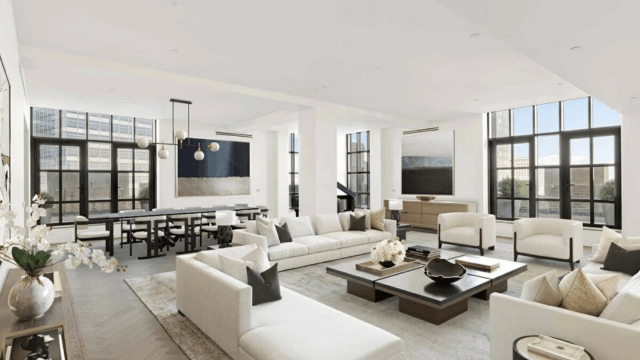
Living Room: Warm and Inviting
The living room is the heart of the home, a place where family and friends gather. To create a warm and inviting atmosphere:
– Opt for warm tones:
Shades of beige, soft yellows, or warm greys can make the space feel cosy and welcoming.
– Add a pop of colour:
Consider an accent wall in a bold colour like burnt orange or deep red to add interest and vibrancy.
– Balance with neutrals:
If you prefer a more subdued look, balance bolder hues with neutral furniture and accessories.
Bedroom: Calm and Restful
Your bedroom should be a sanctuary, a place to unwind and recharge. To foster a calming atmosphere:
– Choose cool colours:
Soft blues, greens, or lavenders can create a serene environment that promotes relaxation.
– Stick to muted tones:
Avoid overly bright or bold colours, which can be too stimulating for a restful space.
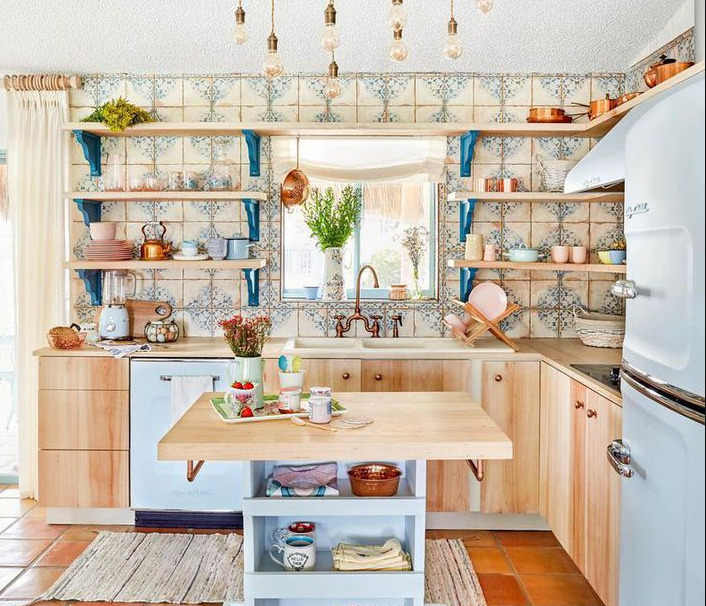
Kitchen: Energetic and Inviting
Kitchens are often bustling with activity, so it’s essential to choose paint colours that energize and invite:
– Go for vibrant hues:
Colours like sunny yellow, cheerful turquoise, or bright white can make your kitchen feel lively and fresh.
– Consider accent walls:
If you’re hesitant about bold colours, try an accent wall in a vibrant shade while keeping the rest of the space neutral.
Bathroom: Refreshing and Relaxing
Bathrooms should feel clean and refreshing. To achieve this atmosphere:
– Opt for light colours:
Soft blues, seafoam greens, or crisp whites can create a spa-like environment.
– Use reflective surfaces:
Light-coloured paint can make the most of reflective surfaces like mirrors and glass, enhancing the sense of space.
– Add a touch of luxury:
For a more luxurious feel, consider using deeper shades like charcoal or navy as accents.
Conclusion
Using paint colours to create mood and atmosphere in your home is a powerful tool that can transform your living spaces. Whether you want to create a warm, inviting living room or a calm, restful bedroom, the right hues can make all the difference. Remember, the key is to understand the psychology of paint colours and choose shades that reflect the mood.