How To Stop A Roof Leak From The Inside
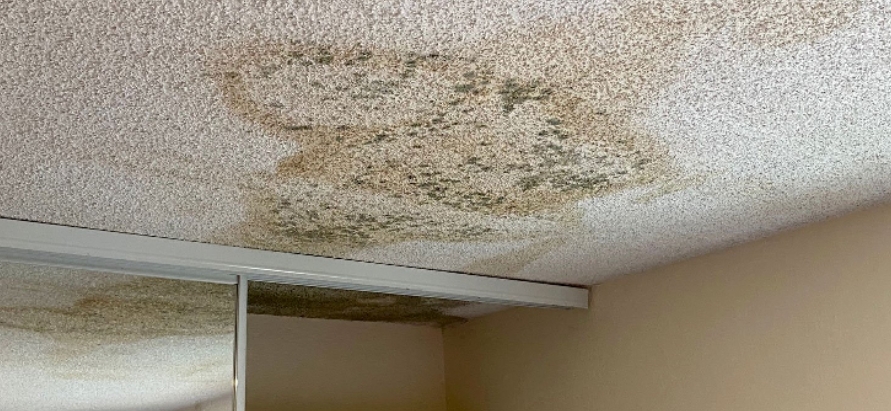
A roof leak can be a major headache to deal with. Not only can it jeopardize your property and cherished belongings, but locating its precise origin can also be intimidating. Thus, conferring with the best roofing company in Redding can be fruitful in achieving a permanent solution. Nevertheless, there are situations when you’ll have to resort to some transient measures to mitigate the damage caused by the leak. This blog entails proven steps you can take to manage a roof leak effectively while waiting for professional assistance.
Contents
- 1 Steps to Stop a Roof Leak From Within
- 1.1 Minimize the Damage:
- 1.2 Contain the Water:
- 1.3 Move Your Belongings:
- 1.4 Turn off the Electricity:
- 1.5 Locate the Source of the Leak:
- 1.6 Inspect Your Attic or Crawl Space:
- 1.7 Check the Root Surface:
- 1.8 Apply a Temporary Patch:
- 1.9 Choose Your Patching Material:
- 1.10 Clean the Area Around the Leak:
- 1.11 Apply the Patch:
- 1.12 Monitor the Leak:
- 1.13 Contact a Professional Roofer:
Steps to Stop a Roof Leak From Within
Minimize the Damage:
Discovering a leak in your roof necessitates swift action to minimize the damage to your home and possessions using the following steps:
Contain the Water:
To avoid damaging your floor or surfaces, catch the dripping water by placing a bucket, trash can, or large container below the leak. If water has accumulated on surfaces, use towels or rags to soak it up.
Move Your Belongings:
Before a flood, protect your valuables by moving furniture or electronics to higher ground if possible. If any furniture is immovable, cover it with plastic tarps or drop cloths to protect it from water damage.
Turn off the Electricity:
If you notice a leak near electrical outlets, switches, or fixtures, turn off the power first in that area of your home to minimize the risk of any electrical hazards.
Locate the Source of the Leak:
Identify the leak source first before fixing an inside leaky roof. But water can be sneaky, traveling along beams, pipes, and other structural elements, triggering extensive damage. Envisage the following steps to avert further water woes:
Inspect Your Attic or Crawl Space:
If you have access to your attic or crawl space, look for signs of water damage directly above the area where the leak occurs. Follow the trail of water stains, mold, or damp insulation upwards to pinpoint the entry point.
Check the Root Surface:
If you can’t access your attic or crawl space, or if the source of the leak isn’t evident from the inside, you may need to inspect your roof’s surface. Look for damaged or missing shingles, cracked or deteriorated flashing, or any other potential entry points for water.
Apply a Temporary Patch:
After finding the leak’s source, apply a temporary patch to prevent water from penetrating your home. Remember, it’s only a transient solution and isn’t a substitute for professional repair from one of the best roofing companies or commercial roofing services in Redding. The following steps will guide you in applying a temporary patch:
Choose Your Patching Material:
When you experience a leak, choose the best materials to create a temporary patch suitable for the size of the hole or crack. Roofing cement, sealant, or heavy-duty plastic sheeting can do the trick for small punctures. If you encounter larger openings or damaged shingles, it’s practical to use plywood or a tarp to cover them temporarily.
Clean the Area Around the Leak:
Before applying the patch, clean the area around the leak to ensure proper adhesion. Remove debris, dirt, or standing water, and dry the surface thoroughly.
Apply the Patch:
When tackling a leak, generously apply roofing cement or sealant to cover the cracked area fully. If you’re using plastic sheeting, a tarp, or plywood, secure it over the troubled spot using nails, screws, or something heavy. Remember to allow for ample patch coverage that extends at least several inches beyond the perimeter of the leak. With these simple steps, your roof will be in prime condition soon!
Monitor the Leak:
After applying the temporary patch, monitor the leak to ensure it’s effectively stopping the water from entering your home. If you notice any continued dripping or signs of water damage, you may need to adjust the patch or apply an additional sealant to create a watertight barrier.
Contact a Professional Roofer:
Don’t let a temporary roof leak patch fool you into thinking the problem is solved for good! Consider enlisting a top-notch roofing company to dive into the problem and fix it permanently. A seasoned roofer will examine the damage, detect the leak’s source, and suggest the best repairs or replacement options to safeguard your roof’s long-term protection.