How To Determine Bead Quality
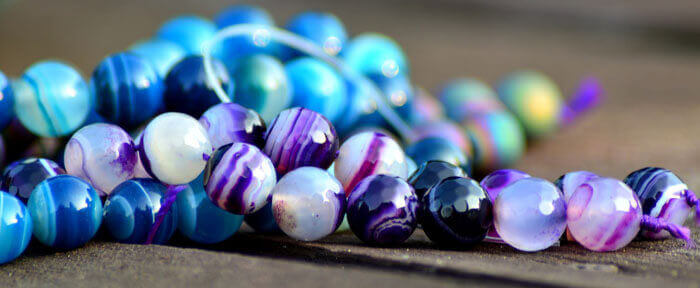
Beads have been used for centuries in various art forms, jewellery-making, and cultural practices. They come in countless shapes, sizes, colours, and materials, each possessing unique characteristics.
When purchasing beads, whether for personal projects or commercial purposes, determining their quality is of utmost importance. Bead quality determines if you get value for money on your purchase. That’s why you’re expected to learn about it.
This article aims to provide a comprehensive guide on determining bead quality, enabling you to make informed decisions and select beads that meet your requirements.
Contents
Material
The material from which beads are made is crucial in their quality and durability. Beads can be crafted from various materials, including:
- Gemstones
- Glass
- Metals
- Wood
- Plastic.
Each material has its own merits and characteristics. Gemstone beads are prized for their natural beauty and durability, while glass beads offer versatility and vibrant colours. It is essential to consider the intended use and personal preferences when assessing the quality of bead materials.
Bluestreak Crystals have all of these and more made out of high-quality materials responsible for their durability and aesthetic effect.
Surface Finish
The surface finish of beads can greatly affect their overall quality and aesthetic appeal. It’s one of the most essential characteristics of any bead. Smooth, polished surfaces often indicate high-quality beads, as they demonstrate attention to detail during manufacturing.
Beads with rough or uneven surfaces may be prone to chipping or have lower durability. Carefully examine the beads under adequate lighting to detect imperfections or irregularities on their surfaces. It may save you money.
Shape and Symmetry
While often overlooked, the shape and symmetry of beads are essential factors to consider when evaluating their quality. Precise and consistent shapes demonstrate craftsmanship and attention to detail.
Irregularly shaped or poorly formed beads may indicate lower quality or mass production. Look for uniformity in size, symmetry, and proportions among the beads in a strand or set to ensure a high-quality product.
Colour and Clarity
The colour and clarity of beads can significantly impact their visual appeal. However, this can be pretty tricky. There are several colour variants of beads. There’s no good or bad colour in beads. The best idea is to pick what suits your preference.
Whether you’re working on a jewellery piece or a craft project, vibrant and consistent colours are desirable. For gemstone beads, clarity is a crucial factor. Higher-quality gemstones will have fewer visible inclusions or blemishes. Similarly, glass beads should have a precise and uniform colour without smudges or inconsistencies.
Weight and Density
The weight and density of beads can provide insights into their quality and authenticity. You will require some expertise to confirm your beads’ weight and thickness. Beads made from genuine gemstones or high-quality materials tend to be heavier than those made from synthetic or low-grade materials.
Learn to make a distinction between them. However, remember that some lightweight beads, such as those made from certain types of wood or acrylic, can still be of good quality if designed to be light.
Durability and Strength
The durability and strength of beads are significant if you create jewellery or accessories subjected to regular wear and tear. No one wants beads that are crushed or chipped easily. Beads from solid and durable materials are less likely to break or chip easily.
Low-durability beads will not retain their value as they deteriorate physically. Similarly, when assessing their quality, consider factors such as:
- The hardness of gemstone beads
- The thickness of glass beads, or
- The resistance to corrosion in metal beads.
Finish and Coating
The finishing of your beads can breathe additional life into them. Certain types of beads, such as metal or glass, may have finishes or coatings applied to enhance their appearance or protect them from tarnishing.
When evaluating beads with finishes or coatings, check for the following:
- Evenness
- Smoothness, and
- Longevity.
High-quality finishes should be consistent and resistant to fading, chipping, or peeling.
Conclusion
Determining bead quality is essential to ensure that your creations stand the test of time and meet your aesthetic standards. You will enjoy value for your money and create high-quality items.
By considering factors such as material, surface finish, shape, colour, weight, durability, and finish, you can make informed decisions when purchasing beads for your projects. Always trust your instincts and rely on reputable suppliers who provide detailed information about the beads they offer.
With this comprehensive guide, you will be well-equipped to select beads that meet your quality expectations and elevate your creative endeavours.