How to Complain About a Bailiff: Ensuring Fairness and Accountability
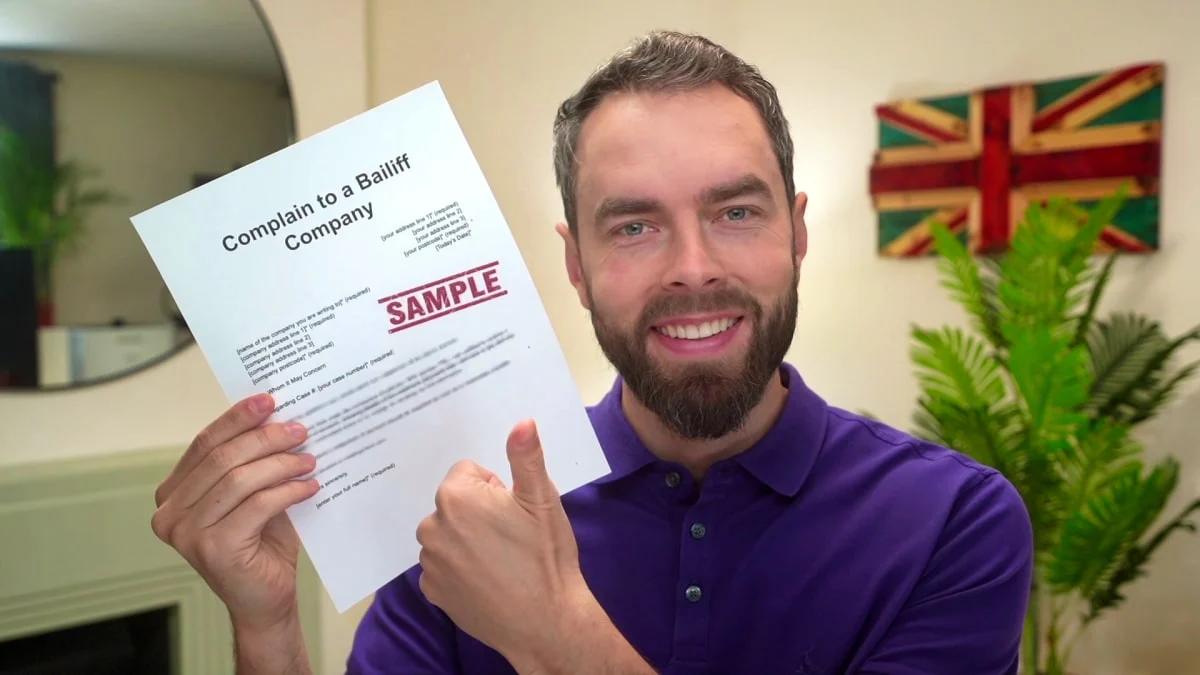
When dealing with debt or legal matters, you may encounter bailiffs – enforcement officers tasked with recovering unpaid debts on behalf of creditors. While bailiffs play an essential role in the legal system, their actions must adhere to strict guidelines to protect the rights of individuals. Unfortunately, there are instances where bailiffs may overstep their authority or act unprofessionally. If you find yourself in such a situation, it is crucial to know how to make a complaint effectively. This article will guide you through the process of complaining about a bailiff, ensuring fairness and accountability.
Contents
Understanding the Rights of Debtors
Before delving into the complaint process, it’s vital to understand your rights as a debtor when dealing with bailiffs. The law grants certain protections to individuals facing debt enforcement actions, and it is essential to be aware of these rights. Some key rights include:
The Right to Fair Treatment
As a debtor, you have the right to be treated fairly and with respect by bailiff. They should not use aggressive tactics, threats, or physical force when dealing with you.
The Right to Notice
Bailiffs must provide advance notice before visiting your property to seize assets or belongings. This notice should clearly state the amount owed, the creditor’s details, and the date of the intended visit.
The Right to Privacy
Bailiffs should not enter your property without permission, and they cannot forcibly enter your home during their first visit. They can only enter through an open door or window or if you invite them inside.
The Right to Complain
If you believe a bailiff has acted inappropriately, you have the right to make a complaint to the relevant authorities.
Step-by-Step Guide to Complaining about a Bailiff
Making a complaint about a bailiff should be done with precision and proper documentation to maximize the chances of a fair resolution. Here is a step-by-step guide to help you through the process:
Step 1: Gather Evidence
Before filing a complaint, gather all relevant evidence of the bailiff’s misconduct. This may include photographs, videos, witness statements, and copies of any written communications.
Step 2: Check Complaint Procedures
Different jurisdictions or bailiff companies may have specific complaint procedures. Check the company’s website or the relevant government agency for information on how to make a complaint. Follow their guidelines carefully to ensure your complaint is properly received and considered.
Step 3: Compose a Formal Complaint
When writing your complaint, be clear and concise. State the facts of the incident, including the date, time, and location of the bailiff’s actions. Describe how the bailiff’s conduct violated your rights and provide supporting evidence.
Include Relevant Laws and Regulations
To strengthen your complaint, reference the relevant laws and regulations that the bailiff may have violated. This demonstrates your understanding of your rights and the bailiff’s responsibilities.
Step 4: Submit Your Complaint
Submit your complaint to the appropriate authority or bailiff company. Use certified mail or email to ensure you have a record of the complaint being delivered.
Step 5: Await a Response
Once your complaint is received, the relevant authority or company will investigate the matter. Be patient during this process and wait for their response.
Tips for an Effective Complaint
Here are some additional tips to ensure your complaint has the best chance of being taken seriously:
Stay Calm and Professional
When describing the incident, avoid using emotional language. Stick to the facts and present your case in a calm and professional manner.
Keep Copies of Everything
Make copies of all communications, including your complaint and any responses you receive. This will help you keep track of the process and provide evidence if needed later.
Seek Legal Advice
If your complaint is not resolved satisfactorily, consider seeking legal advice. An attorney with expertise in debt and consumer rights can guide you on further steps you can take.
Conclusion
Dealing with a bailiff can be a stressful experience, but knowing your rights and how to complain effectively can help protect you from unfair or abusive practices. By following the step-by-step guide provided in this article and staying calm and professional throughout the process, you can ensure that your complaint receives the attention it deserves.