How To Choose Hydroponic Fertilizer?
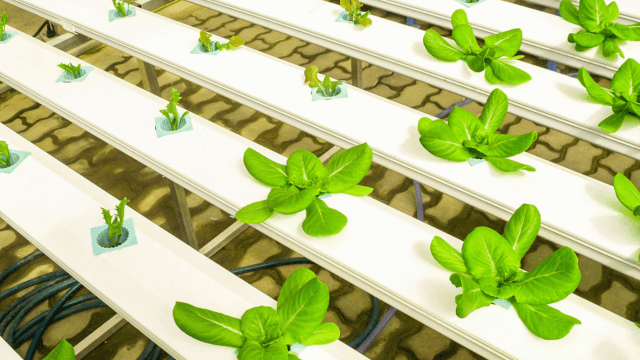
If you’re venturing into the world of hydroponic gardening, you’ve already made a smart choice. Hydroponics offers numerous benefits, including faster growth, higher yields, and more control over your plant’s environment.
However, to make the most of your hydroponic system, you need to select the right hydroponic fertilizer. This vital component of hydroponic gardening provides essential nutrients to your plants, ensuring they thrive in their soil-less environment.
In this comprehensive guide, we’ll explore the factors you should consider when choosing hydroponic fertilizer to help you achieve remarkable results in your hydroponic garden.
Contents
- 1 Understanding the Basics of Hydroponic Fertilizer
- 1.1 1. Macronutrients
- 1.2 2. Micronutrients
- 1.3 Factors to Consider When Choosing Hydroponic Fertilizer
- 1.4 1. Plant Type
- 1.5 2. Growth Stage
- 1.6 3. Water Quality
- 1.7 4. Fertilizer Formulation
- 1.8 5. Nutrient Ratios
- 1.9 6. pH Levels
- 1.10 7. Organic vs. Synthetic
- 1.11 8. Cost
- 1.12 Conducting a Nutrient Solution Test
- 1.13 Common Mistakes to Avoid
- 1.14 1. Neglecting pH Management
- 1.15 2. Overfeeding or Underfeeding
- 1.16 3. Ignoring Water Quality
- 1.17 4. Inadequate Mixing
- 1.18 5. Skipping Maintenance
- 2 Conclusion
Understanding the Basics of Hydroponic Fertilizer
Before diving into the selection process, let’s grasp the fundamentals of hydroponic fertilizer. Unlike traditional soil-based gardening, where nutrients are naturally present in the soil, hydroponic plants rely entirely on the nutrients you provide.
Hydroponic fertilizers are specially formulated to deliver a balanced mix of essential elements directly to the plant roots.
Read Also: Embracing The Campus Hub Lifestyle
These essential nutrients are divided into two categories:
1. Macronutrients
Macronutrients are the primary nutrients that plants need in large quantities. They include:
- Nitrogen (N): Essential for leafy green growth and overall plant health.
- Phosphorus (P): Vital for flower and fruit production.
- Potassium (K): Important for root development and disease resistance.
2. Micronutrients
Micronutrients are required in smaller quantities, but they are no less crucial for plant health. They include elements like iron (Fe), manganese (Mn), zinc (Zn), and others, which aid in various metabolic processes within the plant.

Factors to Consider When Choosing Hydroponic Fertilizer
Now that you have a basic understanding of hydroponic fertilizer and its role, let’s delve into the factors that should influence your choice:
1. Plant Type
Different plants have distinct nutrient requirements. Leafy greens, such as lettuce and spinach, have higher nitrogen needs, while flowering plants, like tomatoes and peppers, require more phosphorus and potassium. Be sure to select a hydroponic fertilizer that matches the specific needs of the crops you intend to grow.
2. Growth Stage
Plants have varying nutrient requirements at different growth stages. Seedlings and young plants need more nitrogen for leafy growth, while mature plants need additional phosphorus and potassium to support flowering and fruiting. Choose a fertilizer that provides a balanced nutrient profile tailored to your plant’s growth stage.
3. Water Quality
The quality of your water source can significantly impact your choice of hydroponic fertilizer. If your water is high in certain minerals or ions, it may affect nutrient uptake by your plants. Conduct a water quality test and select a fertilizer that complements your water’s characteristics. Some fertilizers are designed to work well with specific water types, mitigating any potential issues.
4. Fertilizer Formulation
Hydroponic fertilizers come in various formulations, including liquid concentrates, powders, and granules. Liquid fertilizers are easy to use and quickly absorbed by plants, making them a popular choice for hydroponic systems. Powdered or granulated fertilizers may require additional mixing and preparation but can offer cost-effective solutions.
5. Nutrient Ratios
Pay attention to the nutrient ratios indicated on the fertilizer label. The N-P-K (Nitrogen-Phosphorus-Potassium) ratio, such as 2-2-4, provides insight into the fertilizer’s nutrient composition. Ensure the ratio aligns with your plant’s growth stage and type. For example, a balanced ratio like 2-2-2 is suitable for many general-purpose applications.
6. pH Levels
Hydroponic systems require precise pH control to optimize nutrient uptake. Some fertilizers are pH-buffered, helping to maintain stable pH levels in your hydroponic solution. However, you should regularly monitor and adjust the pH to ensure it falls within the ideal range for your plants, typically around 5.5 to 6.5.
7. Organic vs. Synthetic
Hydroponic fertilizers can be either organic or synthetic. Organic options are derived from natural sources and can contribute to healthier soil and long-term sustainability. Synthetic fertilizers, on the other hand, are precisely formulated for rapid nutrient absorption and can be a more efficient choice for hydroponic systems. Consider your personal preferences and gardening philosophy when making this choice.
8. Cost
Your budget is a significant factor when selecting a hydroponic fertilizer. While high-quality fertilizers may come at a premium, they often yield better results. However, you can find a range of options to suit your budget without compromising plant health. Remember that a well-balanced and effective fertilizer can contribute to higher crop yields, potentially offsetting the initial cost.
Conducting a Nutrient Solution Test
To ensure you’re providing your hydroponic plants with the right nutrients, it’s wise to perform regular nutrient solution tests. These tests measure the concentration of essential nutrients in your hydroponic solution, allowing you to make necessary adjustments to meet your plant’s needs. Nutrient solution tests can be conducted using specialized testing kits, which are readily available from hydroponic supply stores.
Here’s how to conduct a basic nutrient solution test:
- Collect a Sample: Carefully collect a sample of your hydroponic nutrient solution. Be sure to use a clean container and take the sample from the root zone of your plants.
- Prepare the Test Kit: Follow the instructions provided with your nutrient solution testing kit to prepare the testing solutions and reagents.
- Perform the Test: Use the kit to perform the test for key nutrients like nitrogen (N), phosphorus (P), potassium (K), pH, and any other relevant micronutrients. Record the results.
- Adjust as Needed: Compare the test results to the ideal nutrient levels for your specific plants. If any nutrient levels are too high or too low, adjust your fertilizer accordingly.
Regular nutrient solution tests help you fine-tune your hydroponic system for optimal plant growth and health.
Common Mistakes to Avoid
Choosing the right hydroponic fertilizer is crucial, but it’s also essential to avoid some common mistakes that can hinder your hydroponic gardening success:
1. Neglecting pH Management
Failing to monitor and adjust pH levels in your hydroponic system can lead to a nutrient lockout, where plants are unable to absorb essential nutrients. Invest in a reliable pH meter and regularly check and adjust the pH of your nutrient solution.
2. Overfeeding or Underfeeding
Providing too many or too few nutrients can harm your plants. Follow the manufacturer’s recommended dosage guidelines and adjust as necessary based on the results of your nutrient solution tests.
3. Ignoring Water Quality
Water quality greatly affects nutrient uptake. Address any water quality issues before selecting your hydroponic fertilizer to ensure compatibility.
4. Inadequate Mixing
Improperly mixed fertilizers can lead to uneven nutrient distribution in your hydroponic system. Follow mixing instructions carefully to ensure a homogeneous nutrient solution.
5. Skipping Maintenance
Regular system maintenance, including cleaning and sanitizing, is essential to prevent clogs and algae growth, which can disrupt nutrient flow and harm your plants.
Conclusion
Selecting the right hydroponic fertilizer is a vital step toward successful hydroponic gardening. By considering factors such as plant type, growth stage, water quality, fertilizer formulation, nutrient ratios, pH levels, organic vs. synthetic options, and your budget, you can tailor your choice to meet the unique needs of your hydroponic garden.