How long does it take to learn martial arts
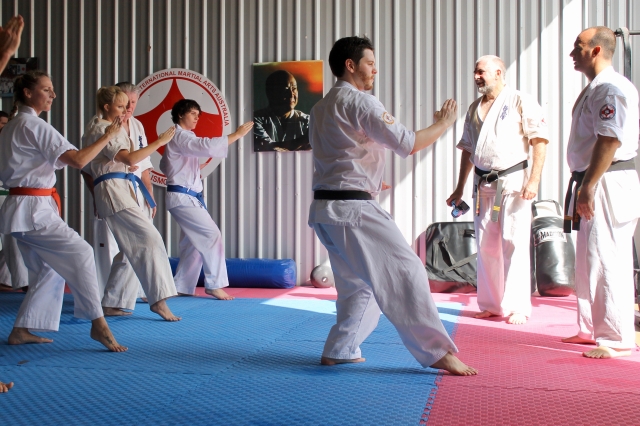
With its diverse array of disciplines, the martial arts world holds a timeless appeal for individuals seeking physical fitness, self-defense skills, and personal growth. Nevertheless, a common question among beginners is: “How long does it take to learn martial arts?” The answer is as complex as the art forms, as multiple factors impact the journey to mastery. We will delve into the diverse aspects that shape the timeline of comprehending martial arts.
Factors that shape the timeline of learning martial arts:
- Martial Arts Disciplines and Complexity:
The time it takes to master a martial art varies considerably based on the discipline chosen. Some styles, like Brazilian Jiu-Jitsu or Muay Thai, have a relatively shorter learning curve, with students often gaining proficiency in specific techniques within a few months. Conversely, more complex styles, such as traditional kung fu or Brazilian Capoeira, can take several years to attain a high level of expertise due to their intricate techniques and deeper philosophical elements.
- Individual Commitment and Consistency:
The amount of time an individual dedicates to training directly impacts their progress in martial arts. Regular practice and consistent training sessions are crucial for skill development and muscle memory. While some might become competent in basic techniques within a few months, achieving higher proficiency levels, understanding, and mastery often demands years of focused commitment.
- Natural Talent and Physical Aptitude:
Some individuals are naturally inclined to certain aspects of martial arts, such as flexibility, coordination, or speed. These innate abilities can expedite the learning process. However, natural talent alone is insufficient; diligent training remains essential to refining these talents and achieving true mastery.
- Age and Learning Speed:
Age can play a role in the speed of learning martial arts. Children tend to have a greater capacity for learning due to their brain plasticity and adaptability. Adult learners may progress at a slightly slower pace due to factors like physical limitations and commitments. However, adults often bring heightened discipline and focus to their training, which can lead to accelerated growth.
- Rank and Belt Systems:
Many martial arts disciplines utilize a ranking or belt system to illustrate an individual’s level of expertise. The time it brings to progress through these ranks can vary considerably. Achieving a black belt, often associated with a high level of proficiency, typically mandates several years of dedicated practice, regardless of the discipline.
- Instructor’s Guidance and Teaching Methodology:
An experienced and effective instructor can significantly impact a student’s learning trajectory. A knowledgeable teacher can streamline learning by providing proper guidance, constructive feedback, and tailored training plans. The teaching methodology employed also affects how quickly students absorb and apply techniques.
- Training Intensity and Goals:
The intensity and focus of training sessions can influence the speed of skill acquisition. Those who engage in intense, frequent training may progress faster than individuals who train sporadically. Additionally, having clear and achievable goals, whether it’s earning a specific belt or mastering a particular technique, can provide motivation and a sense of purpose throughout the learning journey.
- Adaptability and Open-Mindedness:
The ability to adapt to new techniques and styles can impact how quickly an individual learns martial arts. Open-mindedness to different approaches and a willingness to comprehend from various sources can accelerate progress. Individuals who remain curious and receptive often find themselves mastering multiple martial arts disciplines more efficiently.
- Mastery vs. Proficiency:
It’s paramount to distinguish between contacting a level of proficiency and achieving mastery. While proficiency in basic techniques can be achieved in months, true mastery requires years of dedicated practice, refinement, and continuous learning. Mastery involves physical skills and a deep understanding of the philosophical and spiritual aspects of the art.
Factors Influencing the Learning Timeline:
Several intricate factors determine the duration of learning martial arts and achieving mastery. These elements can immensely impact a practitioner’s journey and the speed at which they progress within their chosen discipline.
- Training Frequency:
The frequency and consistency of training sessions play a pivotal role in shaping a martial artist’s learning timeline. Regular and frequent practice facilitates muscle memory development, enhances technique proficiency, and accelerates skill acquisition. Practitioners who dedicate more hours each week to training sessions tend to witness faster progress as their bodies adapt and become attuned to the martial art’s nuances.
- Natural Aptitude:
Individuals possess varying levels of natural aptitude for different aspects of martial arts. Some may inherently excel in areas like flexibility, balance, or coordination, which can give them a head start in mastering certain techniques. However, it’s important to note that natural aptitude, while advantageous, doesn’t substitute consistent effort and diligent practice.
- Quality of Instruction:
The caliber of instruction received has a profound impact on the learning timeline. Learning under skilled and experienced instructors provides invaluable insights, corrections, and tailored guidance. Effective instructors recognize each student’s strengths and weaknesses, helping them promptly refine techniques and correct mistakes. High-quality instruction can expedite progress by preventing the development of bad habits and ensuring a strong foundation.
- Personal Goals:
Personal objectives within the realm of martial arts significantly shape the learning timeline. Those aspiring to compete professionally or achieve high expertise within a specific timeframe may undergo more rigorous training. Conversely, individuals pursuing martial arts for fitness, self-defense, or personal growth might have a more flexible timeline. Defining clear goals helps practitioners align their efforts with their desired outcomes and understand the commitments required to attain them.
Martial arts in Owings Mills can help you achieve physical fitness, mental clarity, and self-confidence. Whether you desire to enhance your self-defense skills or improve overall well-being, martial arts in Owings Mills can be a transformative journey.